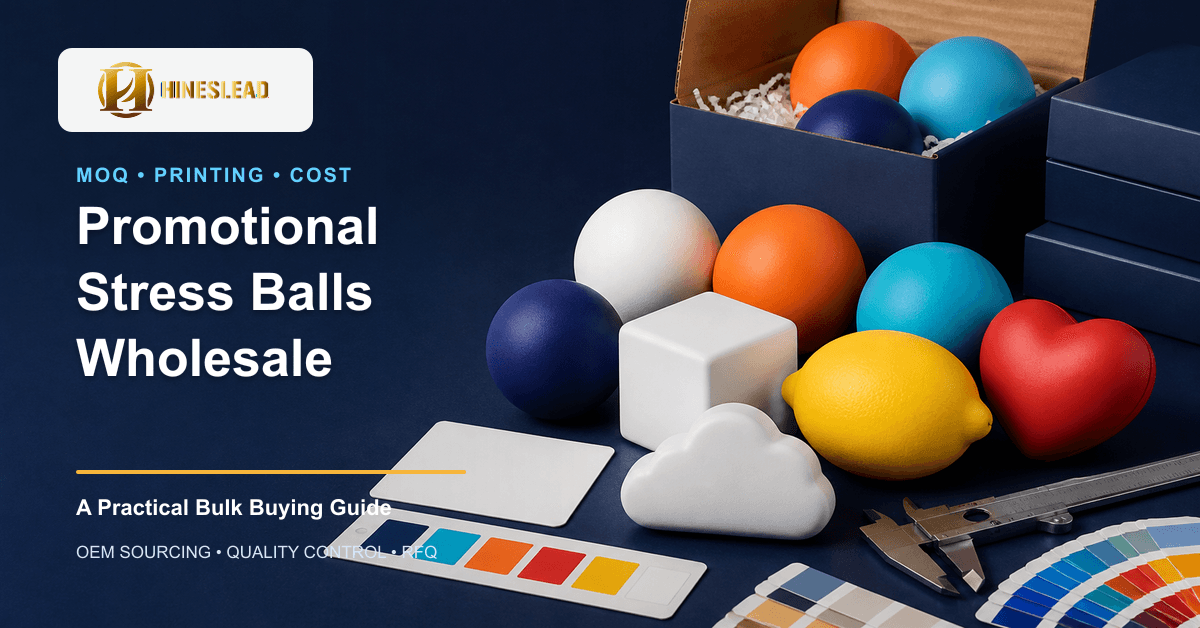
Promotional stress balls look simple on a quotation: foam shape, color, logo, quantity, price. The real buying decision is less tidy. A round stock ball with a one-color imprint, a molded fruit, and a licensed custom character can all be called “stress balls,” yet their tooling, print setup, scrap risk, packing, test scope, and lead time are different. Comparing only the last line of three quotations usually compares three different products.
This guide is for promotional-product distributors, event agencies, importers, corporate-merchandise teams, private-label brands, and retail buyers sourcing promotional stress balls wholesale. It explains what creates the MOQ, how common logo methods behave on compressible foam, how to normalize quotations, and which information produces a usable bulk price. It complements our earlier manufacturing overview by concentrating on commercial mechanics: setup, yield, artwork, quantity breaks, freight, and landed risk.
A faster quote starts with a printable file and a complete brief
Send vector artwork, desired shape and size, foam color, print colors and locations, quantity tiers, destination, in-hands date, packaging, market, intended user, and required testing. Hineslead can review the print area and return assumptions with the quotation.
Request an Artwork Proof & Bulk Quote →1. Separate the product decision from the price decision
Before requesting cents-per-piece, decide which product is being priced.A stock sphere is normally the quickest route because tooling, process knowledge, and printable areas already exist. A stock novelty shape may add relevance without full mold development. A custom shape can embody a product, mascot, building, fruit, vehicle, or campaign object, but it introduces engineering, mold, sample, decoration, and approval work.
Define the purpose. An event giveaway may prioritize date certainty, simple packaging, and clear logo recognition. A premium sales kit may justify a custom shape, several print positions, and individual presentation. A retail item needs barcode, compliant labels, shelf packaging, assortment planning, and repeat-order consistency. A mailer campaign is sensitive to unit weight and package dimensions. The cheapest unit can create the most expensive mailing carton.
State the non-negotiables and the variables. If the campaign date, logo colors, and destination are fixed, perhaps the shape or packaging can change. If the custom shape is the creative idea, stock foam color or a simpler print may be the flexible elements. Suppliers can propose meaningful alternatives only when they know which tradeoffs are allowed.
| Route | Best fit | Main cost drivers | Buyer should approve |
|---|---|---|---|
| Stock round ball | Fast, price-sensitive campaigns | Foam color, imprint colors/locations, quantity, packing | Physical color, print size, location, finished sample |
| Stock novelty shape | Campaign relevance without new tooling | Available mold, base color, curved print area, yield | Exact mold code and production-like decorated sample |
| Custom shape | Brand storytelling and repeat programs | CAD, mold, geometry, foam mass, coatings, masks, samples | Drawing, prototype, mold sample, decoration and pack |
| Retail packaged item | Stores and e-commerce | Unit pack, print, labels, test samples, cartons, photography | Final artwork, barcode, warnings, pack-out and carton |
2. What actually creates the MOQ?
MOQ is the highest of several practical minimums, not a moral rule invented by a salesperson. Foam chemistry and molding require a stable production batch. A specific body color may require pigment preparation and cleanup. Printing has screen, plate, ink, fixture, alignment, drying, and washup work. A printed bag or box has its own supplier minimum. The line must also produce enough good units to cover setup, approved samples, testing, inspection, and expected process loss.
Ask the factory to name the constraint for each figure.“MOQ 5,000” is less useful than “the stock ball can run at 1,000, custom body color starts at 3,000, and the printed box supplier requires 5,000.” Once the drivers are visible, the buyer can decide whether a stock color, neutral package, combined color run, or scheduled release is commercially sensible.
MOQ should be stated per shape, base color, artwork, print color, and packaging version. Ten thousand total units split across five shapes and ten logos may be fifty small setups, not one large order. Conversely, several regional language labels might share the same undecorated foam body. A good quote shows which operations can be pooled and which reset the minimum.
3.The cost stack behind a promotional stress ball
| Cost layer | Typical variables | Often one-time or setup? | RFQ question |
|---|---|---|---|
| Design and engineering | Sketch quality, CAD, geometry revisions, print feasibility | Mostly development | How many concepts and revision rounds are included? |
| Tooling | Size, shape complexity, cavities, surface, maintenance | One-time plus upkeep | Who owns the mold, and what output/life is assumed? |
| Foam body | Formulation, density, volume, color, yield, cure, trimming | Recurring | What target dimensions, weight, density and color are priced? |
| Coating | Base coat, color coats, masking, drying, rejects | Setup plus recurring | Which finish and durability check support the quote? |
| Logo decoration | Method, positions, colors, coverage, curvature, registration | Setup plus per unit | Are screens/plates, mixing, proofs and production checks included? |
| Quality/compliance | Markets, age, sample count, laboratory, inspection | Order/program dependent | Which tests, documents and inspections are included? |
| Packaging/logistics | Bag, box, insert, count, carton cube, labeling, freight | Setup plus recurring | What are final unit and carton dimensions and weights? |
At low quantities, setup costs are spread over fewer units, so the unit price rises sharply.At higher quantities, material and direct production dominate. The curve eventually flattens because foam mass, labor, packaging, and freight do not disappear. Ask for realistic tiers—perhaps a pilot, target campaign volume, and annual reorder—not ten arbitrary breaks that nobody intends to buy.
4. Pad printing: useful for compact logos and curved surfaces
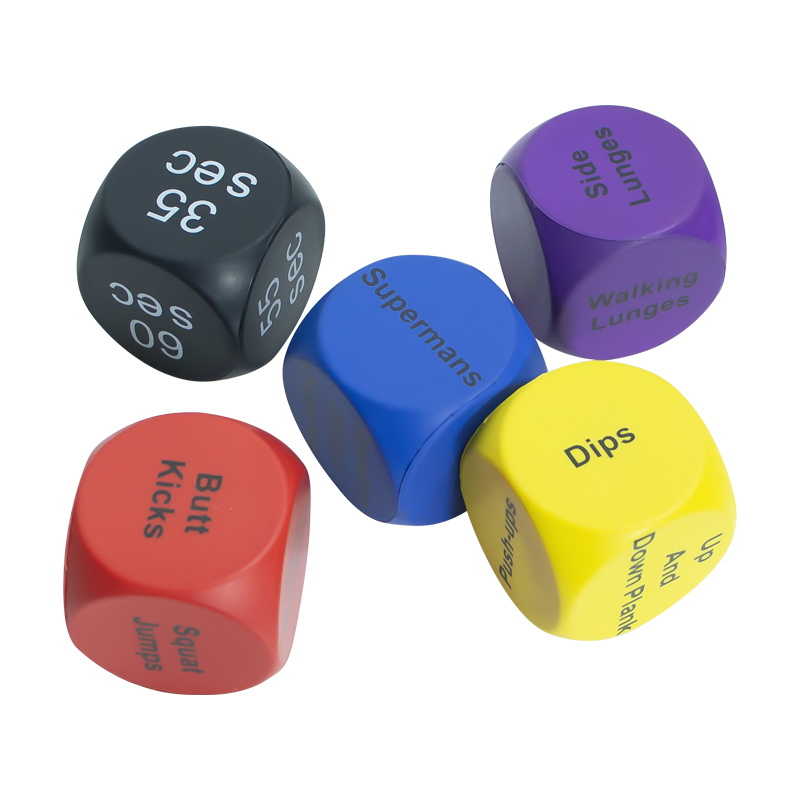
Pad printing transfers ink through a flexible pad, making it useful for many curved or irregular shapes. It can reproduce compact logos on areas that a flat screen cannot reach easily. The result still depends on artwork detail, pad shape, cliché, ink, surface preparation, fixture, compression, operator setup, and the foam’s movement.
Very fine reverses, tiny legal lines, tight multi-color registration, and large solid coverage can be difficult on a squeezable curved body. Ask for the maximum recommended print area on the exact mold. Convert text to outlines and provide vector art. If a small trademark symbol matters, identify it rather than assuming the proof’s visibility means it will remain legible on foam.
Each color normally adds setup, handling, drying, and alignment work. Two colors are not automatically twice the decoration price, but they are not “just one more click.” If the colors touch or must register tightly, request a physical production-like proof and a stated registration tolerance. A separated design may be more robust without changing the brand message.
5. Screen printing: strong for suitable areas and simpler geometry
Screen printing can work well where the shape offers an accessible, stable print area.It can deliver bold coverage, but fixtures and surface deformation matter. A round ball rotates; a soft body compresses; a tapered novelty shape changes the distance and pressure across the artwork. The supplier should review the actual part, not quote from logo dimensions alone.
Ask whether the print is applied to raw foam, a base coat, or a finished surface. Ink and substrate compatibility, curing, and handling affect adhesion and transfer. A successful flat ink swatch is not proof of finished-product durability. Test the decorated unit after the complete production process and after an agreed conditioning period.
6. Transfer and digital methods: evaluate the finished surface
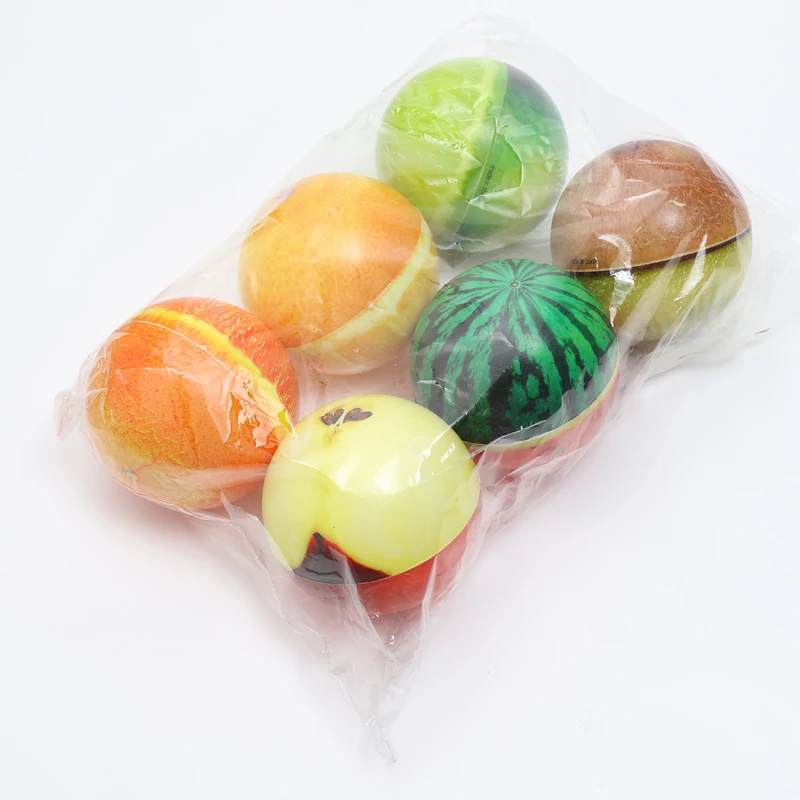
Transfer or digital processes may support color detail that traditional spot-color printing cannot reproduce economically, but method names are used loosely across suppliers. Ask for the actual process route, compatible surface, artwork profile, white base or underprint, edge behavior, flexibility, and expected production variation. Review the item squeezed, not only at rest.
Full-color artwork often contains gradients, photographs, small text, and color-managed brand elements. Request a color target and acknowledge that appearance changes with substrate color, texture, gloss, and viewing light.A proof on paper is an artwork check, not a foam color standard. Approve a finished sample and define which differences are acceptable.
Large wraps can create attractive visuals but increase alignment and defect risk. Where art approaches a seam, deep curve, indentation, or trim line, ask the supplier to mark the no-print and variable zones. Sometimes splitting the graphic into two deliberate panels is safer than forcing a continuous image around unstable geometry.
7. Molded and relief branding: design the logo into the tool
An embossed or debossed mark can avoid ink and become part of the shape. It suits repeat programs where tooling investment is justified. Readability depends on feature depth, draft, radii, foam expansion, demolding, coating, and the way users view the part. Extremely fine strokes or sharp internal corners may close, tear, or look uneven.
Approve the logo geometry in the mold drawing and on a molded sample. State ownership of the CAD, logo insert, and tool. A replaceable insert may make future branding changes easier, but it affects mold design and cost. If color will later be applied to the relief, that decoration step needs its own mask, registration, and durability approval.
8. Artwork proofing: what a buyer should sign
A proof should identify the SKU and mold, part dimensions, viewing orientation, artwork revision, logo width and height, position from named landmarks, print colors, method, number of locations, and any distortion or no-print zone. Include a scale. “Centered” is ambiguous on an asymmetric shape; use dimensions or a marked overlay.
Digital proofs are efficient for content, spelling, orientation, and approximate placement. They cannot approve foam color, ink opacity, texture, edge quality, registration, tack, odor, or squeeze durability. The physical preproduction sample closes those questions. If time requires approval from photographs, record exactly what remains at risk and who accepts it.
Keep the signed proof beside the production artwork file and print setup record. If the marketing team changes a tagline, create a new revision; do not overwrite the old file. A factory should be able to show which artwork produced the shipment. This is basic traceability, and it matters greatly when regional phone numbers, URLs, languages, or legal copy differ.
9. Color matching for foam bodies and imprints
Pantone references help communication, but a coated foam ball is not coated paper. Material, base color, coating thickness, gloss, surface cells, ink opacity, drying, lighting, and lot variation affect perception. Define the target, viewing conditions, and acceptable range. Approve a physical sample or color range rather than demanding an undefined “100% match.”
Brand teams should decide which element carries the strictest color requirement. A white body with a controlled logo ink may reproduce a corporate mark more predictably than a dark custom body under a light imprint. Alternatively, a close stock foam color may preserve budget and date while packaging carries the exact corporate color. This is a brand decision, not only a factory decision.
For repeat orders, reference the approved product and record relevant material, coating, and ink lots.An old sample can yellow or change with storage, so pair it with documented color information and a current range. Ask the factory to flag supplier or formulation changes before production.
10. Print durability must reflect expected use
A promotional stress ball is squeezed, rubbed, dropped, stored in bags, and handled with skin oils or lotions. Define a practical evaluation rather than asking whether the logo is “permanent.” Possible checks include dry and damp rubs with specified materials and cycles, tape or adhesion methods appropriate to the coating, repeated compression, packaging contact, and conditioning. The exact method should be agreed with the supplier, buyer, and qualified testing partner.
Inspect color transfer, cracking, peeling, tack, loss of detail, and change at edges. Record the equipment, force, cycle count, conditioning, and acceptance. A result without a method cannot be compared across suppliers. If the product is a children’s toy or children’s product, decoration materials also enter the applicable chemical and coating requirements; durability testing does not replace compliance testing.
11.Compliance planning depends on intended use and market
A desk giveaway marketed only to adults may follow a different regulatory route from a colorful squeeze item designed or marketed as a children’s toy. Classification is not determined by a supplier’s catalog category or by printing “14+” on a bag. Product design, marketing, distribution, foreseeable use, destination law, and claims all matter. The responsible importer or brand should obtain qualified advice early.
For U.S. children’s toys, the CPSC’s current Toy Safety Business Guidance explains the mandatory toy standard incorporated through 16 CFR part 1250 and the need to identify applicable ASTM F963 provisions. Its ASTM F963 requirements chart distinguishes provisions commonly applicable to toys and third-party testing considerations. The exact product, age, materials, coating, and date of manufacture should anchor the test and certification plan.
For the EU, the Commission states that Regulation (EU) 2025/2509 entered into force on January 1, 2026 and will apply from August 1, 2030 following its transition period. The Commission’s official toy-safety page should be checked for current obligations, transition, harmonized standards, CE-marking context, and guidance.Promotional buyers should not assume that a campaign label removes toy requirements when the product is designed or intended for play by children.
Put compliance costs into the quote comparison: laboratory samples, testing, document review, labels, warnings, traceability, importer information, inspection, and any re-test after material or decoration changes. “Test report available” is not enough. Check product identity, material and color, standard edition, market, age, dates, laboratory scope, and whether the tested sample represents the order.
12. Packaging changes both cost and product condition
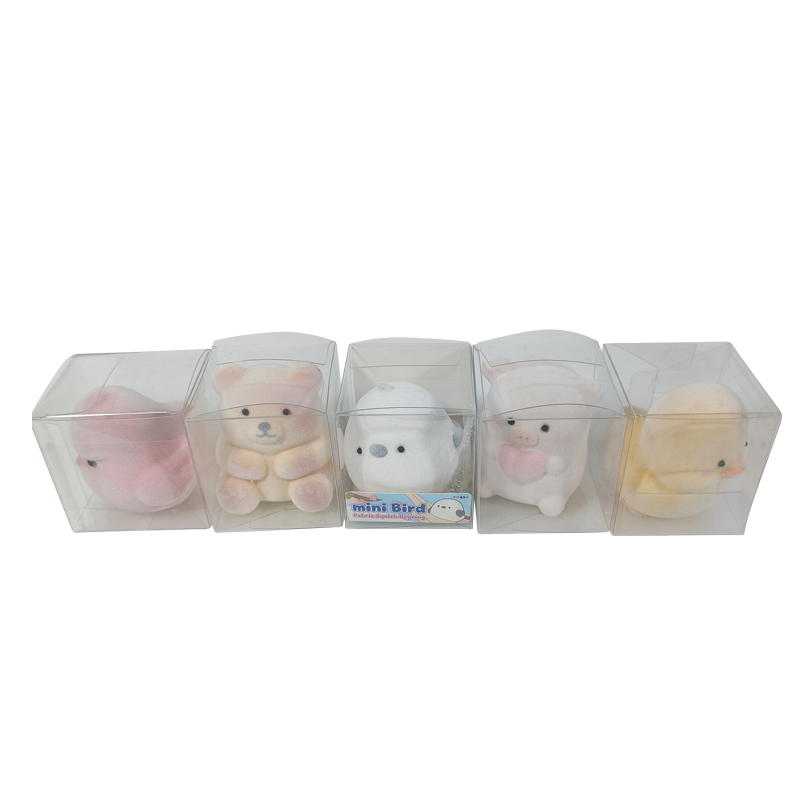
Bulk-packed balls can be economical for event distribution, but direct contact, compression, and ink transfer must be considered. Individual bags protect surfaces and simplify handling, while adding material, labor, volume, and labeling choices. Printed boxes provide presentation and information space but introduce artwork, plates, minimums, assembly, and freight cube.
Ask for unit pack dimensions, units per inner and master carton, carton dimensions, net and gross weight, orientation, compression, sealing, markings, and pallet assumptions. Test the intended pack with production-like decorated items. A print that passes in open air may mark after weeks of pressure and heat inside a bag. A custom shape may recover slowly after tight packing.
For direct mail, model postage with the finished packed sample. For conference kits, test the assembly sequence and bag fit. For retail, scan real barcodes on the final artwork and review visible branding on shelf.Packaging is not an administrative afterthought; it is part of the delivered product and landed cost.
13. Lead time is a chain, not one production number
Ask for dated milestones: brief review, artwork feasibility, CAD or mold drawing, prototype, physical print proof, compliance sample, testing, packaging proof, material booking, preproduction meeting, molding, decoration, inspection, and shipment readiness. Identify the buyer’s response time at every approval. “Twenty days production” may begin only after several weeks of unresolved proofing.
Stock shapes and colors can shorten the path, but available inventory must be verified for the required quantity and lot. Custom body colors, new molds, multi-color decoration, retail packs, and market-specific testing add dependencies. Lunar New Year, national holidays, peak-season print capacity, laboratory schedules, and ocean cutoffs should be placed on the calendar rather than hidden in a generic buffer.
Never approve bulk based on an untested digital mockup merely to save a few days. If the date is immovable, reduce complexity, use air freight for a controlled portion, split delivery, or select a validated stock route. Schedule pressure is a commercial constraint; it does not change the physics of ink curing or the need to verify a product.
Need an in-hands date checked before you promise the campaign?
Share the destination, event date, artwork, quantity, pack, and preferred product. We can map the proof, production, inspection, and shipping milestones before the order is released.
Check Feasibility, MOQ & Lead Time →14. Normalize supplier quotations with one worksheet
| Field | Supplier A | Supplier B | Evidence/decision |
|---|---|---|---|
| Exact mold, size, target weight and material | Record | Record | Drawing and sample |
| Body color/coating and tolerance | Record | Record | Physical range |
| Print method, colors, locations and size | Record | Record | Signed proof |
| Setup, mold, sample and tooling charges | Record | Record | Ownership/repeat terms |
| Unit price at real quantity tiers | Record | Record | Same scope/Incoterm |
| Test, inspection, documents and sample count | Record | Record | Market-specific plan |
| Pack, carton, weight, volume and freight | Record | Record | Packed sample/carton data |
| Milestones, exclusions, payment and validity | Record | Record | Commercial approval |
Calculate landed cost with the same currency assumptions and destination. Separate fixed setup from recurring unit costs so repeat orders can be modeled. Add a risk allowance only when it has a reason: unproven process, uncertain freight, late approval, or weak packaging evidence. Do not hide a preferred supplier behind a spreadsheet; document why the evidence justifies the decision.
15.Quality control for bulk promotional stress balls
Inspection should cover identity, count, dimensions, weight, color, surface, deformation, print content, size, position, color, legibility, registration, adhesion or rub behavior, packaging, labels, barcode, carton, and cleanliness. Product-specific mechanical or chemical requirements belong in the test and compliance plan. The inspection method, sampling approach, defect classifications, and acceptance should be agreed before production.
Define common visual defects with photographs: foam voids, dents, flat spots, trimming marks, coating bubbles, tack, color streaks, print skips, pinholes, smearing, ghosting, doubled image, poor opacity, incorrect orientation, misregistration, and transfer to packaging. Some variation is inherent in soft molded foam, but “handmade variation” should not become permission for an unreadable logo.
Use line-start approval and retained samples. Check the first stable molded and decorated pieces before the entire order runs. Retains should identify order, SKU, mold, artwork revision, material/coating/ink lot where relevant, date, and status. When a complaint arrives, the retain and records give the investigation a starting point.
16. A practical cost-reduction sequence
- Remove hidden variety. Consolidate shapes, body colors, artwork versions, and package variants that do not change campaign performance.
- Use a stock mold intelligently. Custom print and packaging can create relevance without new tooling.
- Simplify the artwork for the surface. Fewer spot colors, larger text, separated colors, and a smaller robust print area can improve yield.
- Choose stock body colors where brand rules permit. Let the imprint or packaging carry the precise identity.
- Specify performance, not prestige words. Pay for the material, finish, and checks the program actually needs.
- Pool compatible production. Shared undecorated bodies or packaging components may improve economics if traceability remains clear.
- Fix packaging after a cube study. Reduce empty space without crushing or marking decorated foam.
- Consolidate approvals. One complete comment round costs less than repeated partial artwork changes.
- Plan reorders. A forecast can support material planning and reusable tooling, but commitments should match real demand.
Cost reduction should be documented as a scope change and re-approved. Do not allow a factory to lower weight, change coating, switch ink, shrink the logo, alter the package, or replace testing without notice. The controlled alternative should have its own sample, quotation revision, and acceptance.
17.Three worked buying scenarios
Scenario A: 2,000 pieces for a conference in seven weeks
The buyer wants a two-color corporate mark, individual bags, and delivery to a hotel before registration opens. A new custom shape is unlikely to be the safest starting point because engineering, mold, sample, and print proof would consume much of the available calendar. A stock sphere or validated novelty mold gives the team more time to confirm artwork, product classification, testing needs, packaging, inspection, and transport. The quotation should show the exact available mold and body colors rather than an unverified catalog thumbnail.
Commercially, the buyer should compare two deliberate routes. Route one uses the preferred two-color logo with a production-like physical proof. Route two adapts the mark to one robust color, perhaps keeping the second brand color on a printed insert or outer event pack. The buyer can then see whether the second print setup affects date, yield, and price enough to justify the design change. If air freight is required, request packed carton data before approval; a lower unit price cannot compensate for an unexpectedly bulky individual box.
The release gate should include signed artwork, a representative decorated sample, confirmed testing or classification plan, final bag and label, production milestone, inspection date, and shipping booking. A small schedule buffer belongs between inspection and event delivery. The team should also define what happens if a percentage of units fails the print standard: rework, replacement, partial acceptance, or expedited replenishment.These decisions are harder and more expensive on the eve of an event.
Scenario B: 25,000 pieces for a national health-brand campaign
At this volume, a custom shape may be commercially reasonable because the tooling cost is spread over more units and the distinctive form can strengthen the campaign. The brief should include authorized design views, target dimensions and mass, safe rounded geometry, brand-color priorities, printable logo zones, intended audience, claims, distribution channels, markets, and packaging. Before CAD begins, the manufacturer should identify thin features, deep undercuts, unstable bases, difficult coating masks, and surfaces where the logo will distort.
Ask for the price in layers: engineering, mold, mold sample, body production, coatings, each decoration setup, unit decoration, individual packaging, cartons, test samples, laboratory work, inspection, and freight basis. Then model at least two production quantities and a reorder. Tool ownership matters because the campaign may return next year. State storage, maintenance, usable life assumptions, permission to use the tool, and the cost of a replacement insert or mold if the logo changes.
A national campaign also increases reputational exposure. Approve a range, not one flawless sample selected from a small hand batch. Run a pilot or line-start lot using production material, equipment, fixtures, ink, operators, and drying. Review units across cavities and positions. Packaging should be conditioned long enough to expose transfer or deformation risk. Keep signed samples and production retains.If the marketing photography is made before bulk, use the production-intent sample and record any cosmetic retouching so the delivered product is not judged against an impossible image.
Scenario C: an annual distributor program with 12 client logos
The distributor expects recurring small releases on the same ball, with different artwork for each end client. The economic opportunity is to standardize what can be shared. One body color, mold, coating system, blank bag, carton size, inspection plan, and core test evidence may serve multiple approved logo runs when the compliance assessment supports it. Decoration files, print colors, quantities, labels, and delivery destinations remain separate controlled versions.
Ask the factory whether undecorated bodies can be produced in an economical batch, stored under defined conditions, and released later for printing. The answer must address shelf life, color change, surface contamination, traceability, inventory ownership, damage, and forecast commitments. Holding inventory transfers risk; it does not erase it. A blanket purchase order or call-off arrangement should identify who pays for unused bodies and what happens if a later logo requires a different surface or test plan.
Create a repeat-order data pack. It should contain the approved mold, body specification, physical color range, print method, artwork template, maximum print area, proof checklist, common defects, pack specification, test basis, carton information, and lead-time assumptions. Each client order adds a numbered artwork and commercial release.This structure reduces repeated questions without allowing the wrong logo or label to travel under an old approval.
18. How to read quantity breaks without fooling yourself
A quantity table can create false precision. A price at 1,000, 3,000, 5,000, and 10,000 pieces is meaningful only when every tier uses the same product, decoration, packaging, test allocation, Incoterm, and payment basis. Sometimes a supplier quietly changes the process at a break—for example, hand printing at the pilot quantity and a multi-position fixture at bulk. Ask whether quality limits, print appearance, and sample approval remain representative.
Separate fixed and variable elements in the buyer’s calculation. Mold, CAD, screens, plates, digitization, print fixtures, and some testing are commonly fixed or semi-fixed. Foam material, molding, trimming, coating, printing labor, bags, boxes, and freight scale with units. Inspection and laboratory fees may step rather than scale smoothly. Once these are visible, the buyer can calculate the incremental cost of an extra thousand units instead of multiplying one blended price and assuming the same economics.
Do not order excess solely to reach a lower unit price. Compare the total cash outlay, storage, obsolescence, campaign certainty, and disposal risk. Five thousand pieces at a lower unit price cost more than three thousand pieces if two thousand have no credible use. On the other hand, a well-supported annual program may benefit from a larger common body run and smaller controlled print releases. Demand quality, inventory discipline, and contractual clarity before using that model.
Freight can reverse a factory-price advantage. Calculate cost per delivered unit using actual packed dimensions and weights, not product dimensions. A supplier offering a slightly higher EXW price may design a denser, safer carton or be closer to the consolidation point. For urgent orders, price the planned mode and a contingency. A quote that assumes ocean freight is irrelevant when late approvals force air.
19.Questions that expose hidden quotation assumptions
- Is the quoted foam body from current inventory, a scheduled run, or a new custom batch?
- Which mold code, cavity arrangement, target size, weight, and surface finish are included?
- Does the quoted body color use stock material, custom pigment, coating, or both?
- What artwork size, method, number of colors, number of locations, and registration level were assumed?
- Are screens, plates, fixtures, ink mixing, digital proof, physical proof, and setup samples included?
- What expected production loss supports the price, and who bears unusual rework after an approved setup?
- Which finished-product checks define acceptable print adhesion, transfer, color, position, and legibility?
- What testing, inspection, certificates, labels, traceability, and retained samples are included or excluded?
- Does the package protect the approved decoration through the expected storage and shipping conditions?
- Are carton measurements based on an actual pack-out or an estimate, and when will final data be available?
- When does lead time begin, what buyer approvals stop the clock, and which materials are booked at risk?
- What changes on a repeat order, and which fixed charges or documents can legitimately be reused?
Send the answers back with the purchase order and final specification. The point is not to turn a promotional item into an engineering thesis. It is to prevent a small assumption—one print color, one bag, one untested claim, one carton dimension—from becoming a late cost or delivery problem.
20.Pillar-keyword routes for a wider toy program
Promotional buyers may also be building a mixed tactile range. Explore sensory toys wholesale and compare a sensory toy manufacturer route. The core branding program can start with custom stress balls with logo or the broader promotional stress balls wholesale guide. Molded-foam sourcing continues through a PU foam toys manufacturer or custom PU foam toys.
Lightweight and outdoor ideas can use EVA foam toys wholesale and custom EVA foam toys. Elastic product programs can review a TPR squeeze toy manufacturer, mochi squishy toys wholesale, slow rising squishy toys wholesale, or the broader squishy toy manufacturer capability.
For different tactile systems, compare a silicone squishy toy manufacturer and custom silicone sensory toys. Character and textile programs can use a custom plush toy manufacturer or plush toys OEM. Sports and active promotions can review custom foam sports toys and foam balls wholesale. A multi-category buyer comparing an OEM toy manufacturer China should verify which operations are controlled directly; a custom toy manufacturing RFQ should separate tooling, material, decoration, testing, and packaging for every SKU.
21. RFQ checklist for promotional stress balls wholesale
- Buyer, campaign, channel, destination, event or in-hands date, forecast, and decision contacts.
- Product classification, intended user and age, claims, foreseeable use, and market compliance owner.
- Stock mold code or custom concept with dimensioned views, target size, weight, feel, and finish.
- Foam/body color target, stock-color alternatives, surface/coating, and acceptable physical range.
- Vector artwork, fonts outlined, spot colors, full-color profile, logo dimensions, positions, and no-print zones.
- Preferred print method or request for factory proposal, proof stages, registration and durability criteria.
- Quantity by SKU, shape, body color, artwork, print version, package, pilot, and reorder schedule.
- Individual pack, bulk pack, labels, barcode, warnings, instructions, inner/master carton and pallet needs.
- Testing, laboratory, standards and editions, inspection, retains, reports, certificates, and traceability.
- Quotation tiers, setup, mold, samples, artwork, test, inspection, freight, Incoterm, currency, payment, and validity.
- Tooling and file ownership, confidentiality, licensed assets, photography permission, and excess-goods rules.
22. Buyer FAQs
What is a realistic MOQ for custom printed stress balls?
There is no responsible universal number. It depends on stock or custom mold, foam color, decoration, artwork versions, packaging, and the factory’s current production route. Ask for the driver behind each minimum and price a pilot, target order, and repeat tier on the same specification.
Which printing method is best?
The answer depends on shape, curvature, surface, logo size, colors, detail, coverage, durability target, quantity, and budget. Pad printing is often useful for compact curved areas; screen printing can suit accessible stable surfaces; transfer or digital methods may support more color detail; molded branding suits repeat custom tools. Approve the method on the finished foam product.
Can a logo match Pantone exactly?
A Pantone reference is valuable, but foam, coating, ink opacity, texture, gloss, thickness, curing, and lighting affect appearance. Define the target and acceptable range, then approve a physical production-like sample.Avoid using a paper proof as the finished-product color standard.
Why did the price change after artwork was supplied?
The original estimate may have assumed fewer colors, a smaller area, one location, simpler registration, or a stock surface. The supplier should explain the changed operation and issue a revised quotation and proof. Buyers can often adapt artwork without weakening the message if print constraints are discussed early.
Who should own the mold?
Ownership is a commercial agreement, not an assumption. State who pays, owns, stores, maintains, insures, and may use the mold; how it is identified; whether inserts are separate; what happens after inactivity; and how transfer or destruction is handled. Keep the terms with the drawing and payment record.
How should an urgent event order be managed?
Start from the required in-hands date and work backward with real proof, production, inspection, and shipping milestones. Select a verified stock route, reduce color and packaging complexity, consolidate approvals, and consider a split shipment. Do not hide the risk by approving unrepresentative samples.
23. Make the quotation auditable before placing the order
A useful promotional stress-ball quotation tells a future reader what was priced. It identifies the shape, size, material, target weight, color, coating, artwork revision, decoration method, colors, positions, package, quantity, quality criteria, compliance scope, delivery basis, milestones, and exclusions. It separates fixed setup from recurring cost and explains what will change on a reorder.
That detail is not bureaucracy.It lets procurement compare suppliers fairly, lets marketing approve the right visual, lets quality inspect the right product, and lets the factory repeat the approved route. The buyer can then reduce cost deliberately instead of discovering, after delivery, which requirement disappeared from the cheapest quote.
Send your stress-ball RFQ to Hineslead
Upload vector artwork and include the shape, size, color, print locations, quantity tiers, destination, in-hands date, packaging, market, intended user, and required testing. We will review print feasibility and quotation assumptions.
Contact Us for Artwork Proof & Pricing →