A sensory-toy program rarely fails because somebody chose the wrong shade of blue. It fails earlier, when a buyer and a factory use the same words for different things. “Soft,” “quiet,” “classroom-ready,” and “easy to clean” sound precise in a meeting, yet none is a production specification. A sample may feel pleasant for five minutes and still be unsuitable for repeated institutional use, a retailer’s age claim, a distributor’s test plan, or the carton economics of an international launch.
This guide is written for importers, retail buyers, educational suppliers, therapy-support distributors, promotional teams, and private-label brands comparing sensory toys wholesale suppliers. Its purpose is practical: turn a broad product idea into a supplier scorecard, an auditable request for quotation, and a pilot order that produces useful evidence. It is not medical advice, and a toy should not be presented as treating a condition unless the responsible business has appropriate substantiation and legal review.
Start with the use case, not a catalog screenshot
Send the destination markets, intended age, sales channel, user setting, desired sensory input, cleaning expectation, quantity tiers, package, and launch date. Hineslead can then discuss materials, samples, compliance planning, and a quotation on the same basis.
Request a Sensory Toy Supplier Review →1. Define what “sensory toy” means in your program
The commercial category is broad. One buyer may mean a slow-rising foam figure for a gift aisle; another means a wipeable squeeze item for a calm corner; a third means a mixed kit with tactile, resistance, motion, and quiet-fidget elements. A competent manufacturer cannot choose the correct material, construction, packaging, or test scope until the buyer defines the intended experience.
Begin with the action. Will users squeeze, stretch, twist, roll, throw, stack, chew, listen, watch, or repeatedly manipulate the item? Then define the setting. A desk fidget should not create distracting noise or loose pieces. A retail collectible needs shelf appeal and consistent decoration. A support-program item may need a predictable resistance range, cleaning instructions, and simple replacement identification. An outdoor EVA product needs different abrasion, color, and packaging decisions from a soft indoor squeeze toy.
Write observable requirements instead of therapeutic promises. “Returns to its original shape within an agreed time after a defined compression” is measurable. “Calms every child” is not. “No visible coating transfer after the agreed rub test” can be checked. “Clinically soothing” requires evidence far beyond an ordinary toy specification. This distinction protects the buyer, the supplier, and the eventual user.
| Program | Primary buying question | Useful measurable criteria | Common mistake |
|---|---|---|---|
| Retail assortment | Will it sell, survive handling, and replenish consistently? | Display footprint, decoration limits, pack count, defect limits, reorder lead time | Approving only the prettiest development sample |
| Education supplier | Does the item fit a classroom routine? | Noise, loose components, cleanability, identification, storage, teacher instructions | Using vague “school safe” language |
| Support program | Is the input predictable for the defined user and supervision? | Force range, size, surface, visual contrast, cleaning, inspection and retirement rules | Making medical or universal-benefit claims |
| Promotional campaign | Will the imprint and delivery date hold? | Print area, color tolerance, rub result, event date, bulk packaging | Treating a screen image as a production proof |
2. Build a requirement brief before asking for a price
A useful brief can fit on two or three pages. It should identify the buyer, program, target user, destination, channel, expected quantity, target delivery window, product action, material preference, dimensions, weight, resistance or rebound target, color, branding, packaging, required documents, and approval owners. Mark unknowns honestly. An unknown that is visible can be resolved; a hidden assumption tends to appear later as a change order.
Include priority labels. “Must have” should be reserved for requirements that affect safety, legal compliance, essential use, brand identity, or a fixed retail system. “Preferred” features can be traded against cost or lead time. “Factory proposal” invites the manufacturer to suggest a workable construction. This simple separation prevents teams from spending two sample rounds on a feature nobody actually needed.
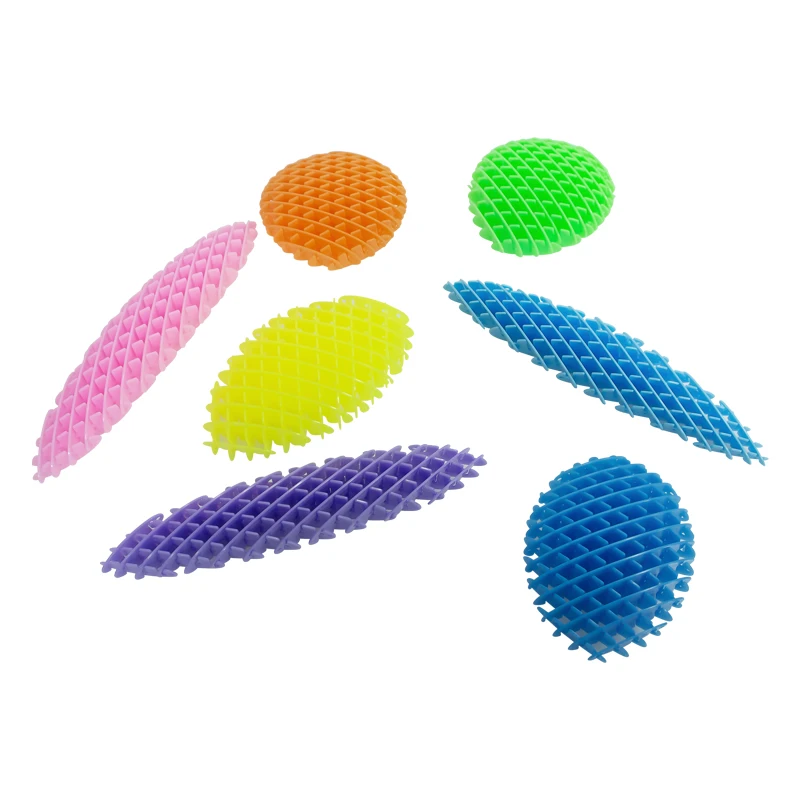
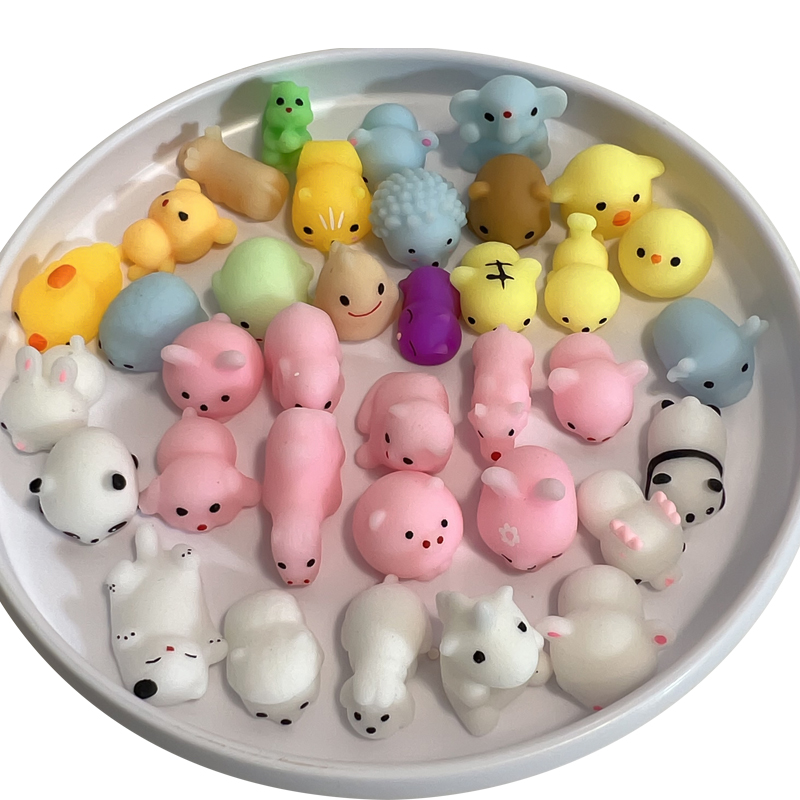
For mixed assortments, specify whether every SKU needs the same material and process. A set can legitimately combine PU foam, TPR, silicone, EVA, or textile products, but each has different tooling, decoration, cleaning, packing, and quality controls. Ask for a line-item bill of materials and process route. One blended unit price hides the operations that will set the true MOQ and schedule.
3. Compare material systems by behavior, not by label
Material names are a starting point. Finished behavior also depends on formulation, density, hardness, wall thickness, geometry, filling, coating, cure, seams, and production variation. Two items both described as TPR may feel noticeably different. A thick silicone form and a thin hollow silicone form do not deliver the same resistance. A low-density PU shape with a delicate coating has a different life profile from an uncoated foam ball.
| System | Typical buyer interest | Specification questions | Production evidence |
|---|---|---|---|
| PU foam | Soft compression, slow rise, molded shapes, promotional printing | Density, rise-time method, coating, odor, dimensions, print adhesion | Lot samples, rebound video, coating and print checks |
| TPR | Stretch, squeeze, gel or particle fill, mochi feel | Compound, hardness, wall, seam/plug, fill identity, leak protocol | Material record, cycle tests, seal inspection, retain samples |
| Silicone | Elastic tactile shapes, washable surfaces, molded detail | Grade, hardness, cure, thickness, tear points, pigment, post-cure | Compound traceability, hardness/weight checks, tear-risk review |
| EVA foam | Lightweight shapes, puzzles, construction pieces, outdoor formats | Density, thickness, hardness, cut edge, lamination, print, odor | Sheet-lot checks, templates, print and layer-bond inspection |
| Plush/textile | Soft touch, character play, weighted or textured concepts | Fabric, pile, seams, embroidery, fill, weight, inner bag, care | Fabric lot, seam/attachment records, fill weight, needle control |
4. Ask the manufacturer to translate adjectives into tests
During a supplier call, read the brief’s adjectives aloud and ask how each will be verified. What does “soft” mean: Shore hardness, compression force at a stated deflection, foam density, or a signed reference sample? What does “durable” mean: a defined squeeze cycle, a pull test, a drop sequence, seam strength, print rubs, or simply visual inspection? The goal is not to create a laboratory around every small order. It is to discover which promises have a shared measurement and which depend only on memory.
Reference samples are useful when numbers do not capture the full hand feel. Seal and label them with the SKU, revision, material lot, date, and approval status. Keep one with the buyer and one with the factory. Photograph it from fixed views, but do not assume a photograph records resistance, odor, surface friction, or rebound. A “golden sample” without identity control is only an old toy in a bag.
Ask what the production line can check quickly. Weight often reveals missing fill or process drift. A go/no-go dimension fixture can be faster than a ruler. A timed rebound video can document foam behavior. A printed alignment template can control artwork location. A light box and approved range can support color review. Good criteria fit the process that must repeat them.
5. Evaluate development capability with a controlled sample round
The first prototype is not a promise that bulk will be identical. It is a question: does this construction deliver the intended experience, and what must change before it can become production intent? Label every prototype with a revision. Return one consolidated comment sheet that distinguishes appearance, function, safety/compliance, packaging, and commercial changes.
A strong supplier response explains consequences. If a buyer asks for a thinner TPR wall, the factory should discuss feel, molding, seal risk, and cycle performance. If the face of a slow-rising PU figure is moved, the change may alter tooling and decoration masks. If an EVA component gains a narrow point, edge durability and age suitability may change. “Yes” is not always the best answer; a documented alternative can be more valuable.
Use production-like materials for the final approval. Hand-colored prototypes, 3D prints, or substitute foam help answer early geometry questions, but they should not silently become the standard for color, smell, weight, rebound, print, or packaging. State which features each sample is authorized to approve.
6. Match the assortment to retail, education, or support-program operations
Retail: sell-through and repeatability
A retailer needs more than tactile appeal. The unit must present clearly on a peg, shelf, counter display, or e-commerce image. Packaging should protect the surface without hiding the squeeze experience. Barcodes, warnings, importer details, age information, and traceability need planned space. Assortment ratios must match how stores order and replenish. Ask whether mixed colors are random, equal, or fixed by carton.
Education: routines, storage, and supervision
Education buyers should map the product to an actual routine. Who issues it? Is it shared or assigned? Where is it stored? How is it inspected? What happens when a seam opens, a coating peels, or an item cannot be cleaned as instructed? A classroom kit may benefit from numbered pieces, a storage tray, simple picture instructions, and a replacement-SKU system more than from elaborate consumer packaging.
Support programs: predictable choice without unsupported claims
One purchasing team once described its assortment as “a little bit of everything.” That is easy to buy and hard to manage. A more workable range names the choices: perhaps three resistance references, two surfaces, a quiet group, and two sizes. The labels alone are not enough. Put an approved sample or a measured boundary behind “low,” “medium,” and “high.” Staff responsible for the program, its qualified advisers, and the buyer must decide what suits the intended users and supervision. The factory can repeat a defined product; it cannot promise that one feel works for everybody.
7. Treat cleanability as a product-system decision
Ask five people what “washable” means and the answers will differ. One imagines a damp cloth; another reaches for disinfectant; a third puts the item under a tap. Write down the real routine. Name the cleaner and dilution, water temperature, contact time, wiping action, drying, and the number of trials. Then look at the whole object. A foam body may survive while its print smears. Water may sit behind a plug. Flocking, stitches, holes, labels, and hollow spaces all change the result.
Use finished pieces from the proposed process for the trial. After cleaning, leave them for the normal drying period and handle them again. Is the surface tacky? Has color moved to the cloth? Does a seam gape? Is there trapped moisture, a new smell, swelling, or a change in squeeze? Photograph the condition, but keep the actual sample as well. Instructions should also say what not to do. If a disinfection claim has not been validated, leave it out; a modest care statement that is true has more value than an impressive one nobody tested.
8. Plan compliance from destination, age, and claims
There is no useful one-line request called “test it for export.” Start with where the item will be placed on the market, who it is intended for, how it is presented, and what it is made to do. Add the materials, construction, packaging, and claims. Those facts let the importer, laboratory, and compliance adviser map the rules. They also prevent a report for one color or construction from being casually attached to another.
For the United States, read the CPSC’s current Toy Safety Business Guidance. It explains the mandatory toy standard incorporated through 16 CFR part 1250, the need to identify the ASTM F963 provisions that apply to the particular toy, and certification or third-party testing considerations for children’s products. A buyer asking only for “the ASTM certificate” may receive a document, but not necessarily evidence for the ordered SKU. Check the product identity, age, material, coating, standard edition, date, and laboratory scope.
The European timing needs equal care in 2026. According to the European Commission’s toy-safety overview, Regulation (EU) 2025/2509 entered into force on January 1, 2026 and starts applying on August 1, 2030 after its transition period. That does not mean projects can ignore the present Directive framework until 2030, nor should a long-lived range ignore the coming change. Confirm the applicable conformity route, technical file, warnings, traceability, economic-operator duties, and transition plan for the actual placing-on-market date.
Some markets use or reference the ISO 8124 family. The published scope of ISO 8124-1:2022 covers mechanical and physical safety aspects under reasonably foreseeable normal use and abuse, and an amendment was published in 2025. Put the precise edition and amendments in the test request. Also record the market, sample count, color or material variants, laboratory, report owner, and the production sample to which the result relates.
Names such as “focus aid,” “desk accessory,” “classroom resource,” or “promotion” do not settle classification. Neither does an age label chosen at the end of development. Review the design, marketing, channel, foreseeable users, and local law before the mold and printed packaging become sunk costs. This is one of the few early conversations that can save both time and a costly redesign.
9. Inspect the factory system, not only certificates
A management-system certificate can be relevant, but buyers need product-specific evidence. Ask how incoming materials are identified, how formulas and color lots are controlled, how tooling and artwork revisions are released, how first pieces are approved, how nonconforming goods are segregated, and how corrective actions are closed. Follow one sample SKU through the records. The answer should connect purchase order, bill of materials, work instruction, inspection, testing, packaging, and shipment.
For filled squeeze toys, review fill receipt, dispensing, seal/plug control, leak checks, and rejected-product handling. For coated PU, review foam cure, base preparation, coating batch, drying, masks, print, and adhesion inspection. For silicone, review compound and pigment identification, cure conditions, demolding, trimming, post-cure if specified, and hardness or weight checks. For plush, add fabric lots, cutting bundles, needle control, seams, attachments, fill weight, and closure inspection.
Ask to see imperfect samples and the factory’s defect library. A supplier that can explain borderline paint, a weak seam, plug exposure, bubbles, short molding, print smearing, or color drift is showing a control language. A showroom containing only perfect handpicked samples tells less about daily production.
10. Build a defect standard before the pilot
Separate critical, major, and minor defects according to actual risk and commercial effect. A sharp accessible point, released filling, detached small component, or wrong warning can have a different severity from a small cosmetic speck. A misplaced eye may be commercially major on a licensed character even if function is unaffected. Define boundaries with annotated photographs or physical samples.
| Checkpoint | Method | When | Record |
|---|---|---|---|
| Material and lot | Supplier code, COA/test evidence as agreed, color/physical check | Incoming | Lot card and release |
| Dimensions and weight | Defined points, conditioned product, calibrated equipment | First piece/in process/final | Measurement sheet |
| Sensory behavior | Reference sample plus agreed force, rebound, stretch, sound, or surface check | Development and line start | Signed sample/video/data |
| Decoration | Color range, location template, rub/adhesion method | Setup and in process | Artwork revision and check log |
| Package | Count, barcode, labels, warnings, compression and carton check | Pack start and final | Pack approval/carton photos |
11. Use a pilot order to answer commercial questions
A pilot is not merely a smaller bulk order. Define what it must prove: process repeatability, assortment ratios, package fit, inspection method, staff handling, retail response, cleaning routine, or freight recovery. Use production tooling, materials, decoration, labels, and packing wherever possible. If anything remains temporary, label it in the pilot report.
Agree acceptance rules before production. Decide sample size or inspection approach, defect classifications, testing status, delivery evidence, and who can authorize deviation. Hold production retains. If the pilot exposes a problem, record the cause and corrected document revision; do not rely on a chat message saying the next lot will be better.
After delivery, collect structured feedback. Which items were actually used? Which resistance or texture was preferred? Were instructions understood? Did bags tear, coatings mark, labels detach, or products deform in storage? Retail sell-through and staff comments are useful, but do not convert anecdotes into universal sensory or medical claims.
12. Understand MOQ as several minimums
There is rarely one MOQ. Material suppliers may impose a compound, fabric, sheet, pigment, or coating minimum. A mold has an economic run size. Printing may require setup and minimum ink or transfer quantities. Custom packaging has its own plate, tooling, and production minimum. The assembly line needs a practical quantity per color or SKU. Ask the supplier to separate each constraint.
Then explore controlled alternatives: stock colors, shared material across SKUs, fewer decoration colors, a standard mold with custom print, a stock bag plus label, a mixed master carton, or a larger total order split into scheduled releases. An alternative is valuable only if the quotation states exactly what changes. A cheaper substitute without a new sample and specification is not a saving; it is an unapproved product.
Compare suppliers on the same RFQ
Share the same use case, materials, dimensions, sensory targets, markets, age, testing plan, packaging, quantities, Incoterm, and approval schedule. We can return a feasibility review and clearly stated quotation assumptions.
Get Samples, Compliance Checklist & Quote →13. Compare quotations by scope and landed risk
Normalize quotations before comparing unit prices. Confirm currency, Incoterm, quantity, material, dimensions, weight, decoration, packaging, carton assumptions, testing, inspection, tooling, sample charges, artwork setup, documentation, lead time, payment, validity, and exclusions. Add destination freight, duty, brokerage, storage, inspection, testing, rework risk, and schedule exposure as appropriate to the buyer’s model.
A low quote may assume lighter fill, a smaller size, a stock compound, simplified print, random color packing, no retail box, no independent inspection, or buyer-paid testing. These are not necessarily wrong choices. They become dangerous when invisible. Ask every factory to return a signed assumption list with the price.
Consider the cost of coordination. A supplier that flags missing requirements, sends numbered sample photos, maintains revision records, and answers a corrective action precisely may reduce buyer workload. Service should still be verified; friendly communication before the deposit is not evidence of production discipline.
14. Score a sensory toy manufacturer with evidence
| Area | Suggested weight | Evidence to request | Red flag |
|---|---|---|---|
| Use-case and engineering review | 15% | Marked brief, feasibility comments, alternatives | Immediate price without questions |
| Material/process control | 20% | BOM, lot identification, process checkpoints | Material described only as “eco” or “safe” |
| Compliance planning | 20% | Market/age-specific plan, sample identity, current reports | One old report offered for every product |
| Quality and traceability | 20% | Inspection criteria, records, retains, corrective action | “QC checks everything” with no method |
| Commercial transparency | 15% | Itemized assumptions, MOQ drivers, milestones, exclusions | Price changes without scope explanation |
| Communication and IP | 10% | Revision discipline, confidentiality and asset-control terms | Uncontrolled files or unrelated customer artwork |
Change the weights to match your risk. A licensed character program may give more weight to IP and decoration control. A shared education kit may emphasize cleaning and traceability. A time-fixed promotion may increase schedule and print-proof weighting. Record the score, the evidence, and the evaluator’s note; numbers without evidence only make preference look objective.
Run a short “red-team” review before nomination
Give one colleague the job of challenging the preferred supplier. Ask what evidence is weakest, which requirement is still subjective, which component has the longest replenishment lead time, and what happens if the approved material becomes unavailable. Look for single points of failure: one print technician, one mold cavity, one pigment source, one undocumented subcontractor, or one person who alone understands the buyer’s files. The exercise is not designed to disqualify a factory. It reveals the contingency plan that should exist before an urgent reorder.
Ask the proposed supplier to walk through three uncomfortable scenarios. First, a production lot feels firmer than the signed sample although the material name is unchanged. Second, the laboratory sample passes, but the first shipment has intermittent decoration transfer. Third, a retailer asks for a second market and a younger age claim after packaging artwork is complete. A useful answer identifies containment, traceability, investigation, decision authority, document revision, testing impact, and commercial consequences. “We will be more careful” is not a corrective-action method.
Reference checks are more useful when the questions are narrow. Instead of asking whether a supplier is “good,” ask whether milestone dates were realistic, engineering questions appeared early, preproduction samples represented bulk, quality records were understandable, and a problem was closed with evidence. Respect confidentiality; a legitimate supplier should not expose another customer’s designs or private order data to win your business. In fact, casually sharing protected work is a warning about how your own assets might be handled.
Finally, check capacity against the real calendar. A factory may have enough annual capacity yet lack the right molding, curing, printing, sewing, inspection, or packing window during your launch month. Ask for the production route, planned line, critical material dates, holiday assumptions, laboratory booking, packaging slot, and buffer. Capacity evidence should match your SKU mix and process, not an impressive total tonnage that belongs to unrelated products.
Visit or audit against one real product route
Whether the review is on site or remote, choose one representative product and follow it from quotation to packed carton. Begin with the approved drawing and bill of materials. Confirm that the material purchase record uses the same code, that the work instruction points to the current mold and artwork, and that inspection records use the same measurable characteristics. Look at how the line distinguishes approved material from waiting, rejected, or unidentified material. Then check how finished cartons link back to the production date and lot. This “vertical” audit often reveals more than a long generic checklist because every answer must connect.
Observe ordinary conditions, not only a demonstration table. Are measuring tools suitable and within calibration? Do operators have current visual standards at the point of work? Can inspectors reach the defect samples they are expected to use? Are rejected pieces physically controlled? Does the final pack area protect clean products from mixed lots or damaged packaging? If photography is restricted, respect the rule and take written notes. Confidentiality discipline can be a positive sign.
When remote review is necessary, request a live walk-through or time-stamped evidence focused on the planned process. A polished corporate video cannot show the actual material code, fixture, sample identity, or line records for your order. Ask the supplier to display documents without exposing another customer’s confidential data. Follow up with a short list of evidence gaps, owners, and due dates. Supplier evaluation is strongest when it ends with actions, not a vague impression.
15. RFQ checklist for wholesale sensory toys
- Buyer, program, sales channel, destination, target launch, annual forecast, and decision owners.
- Intended age, foreseeable users, supervision, product classification, claims, and exclusions.
- Desired action: squeeze, stretch, twist, rebound, texture, motion, sound, weight, or another defined input.
- Dimensions, mass, material system, hardness/density/force targets, color references, and tolerance priorities.
- Artwork, logo, print area, decoration method, registration, color tolerance, and durability method.
- Cleaning method, shared-use assumptions, drying, inspection, retirement, and replacement instructions.
- Destination-market compliance plan, exact standards/editions, laboratory, sample count, and document owner.
- Packaging, assortment ratio, barcode, labels, warnings, instructions, inner pack, carton, and pallet rules.
- Quantity tiers by SKU/color, pilot quantity, reorder plan, acceptable stock-material alternatives, and MOQ drivers.
- Prototype stages, approval owners, bulk-release gate, milestone dates, inspection, retains, and corrective-action process.
- Incoterm, destination, currency, payment, quote validity, tooling ownership, confidentiality, IP, and exclusions.
16. Related Hineslead manufacturing routes
A buyer building a mixed range can compare the broader sensory toy manufacturer capability and the Hineslead sensory toys wholesale assortment. For branded campaigns, see custom stress balls with logo and promotional stress balls wholesale. Foam programs can continue with a PU foam toys manufacturer, custom PU foam toys, EVA foam toys wholesale, or custom EVA foam toys discussion.
For elastic and slow-rise assortments, review the TPR squeeze toy manufacturer route, mochi squishy toys wholesale, slow rising squishy toys wholesale, and the wider squishy toy manufacturer range. Silicone projects can begin with a silicone squishy toy manufacturer or custom silicone sensory toys brief. Textile programs can use the custom plush toy manufacturer and plush toys OEM routes.
Buyers planning active or promotional assortments can also review custom foam sports toys and foam balls wholesale. For multi-material programs, an OEM toy manufacturer China comparison should focus on process ownership and traceability, while a broader custom toy manufacturing RFQ should separate each material, component, supplier, and approval gate.
17. Buyer questions before choosing a supplier
Should one factory make every item in a sensory kit?
Not automatically. One accountable integrator can simplify communication, packaging, and shipment, but different processes may require specialized production partners. Ask who actually controls each material and operation, how subcontractors are approved, and how the final kit remains traceable. The commercial contract should identify responsibility for the complete product.
How many samples are enough?
There is no universal count. A simple stock-mold item with custom print may need fewer rounds than a new filled TPR design or mixed-material kit. At minimum, separate early feasibility from production-intent approval. Compliance samples, package samples, color references, and preproduction line samples may be distinct. Name their purpose instead of calling everything “the sample.”
Can a factory guarantee that every user will like the resistance?
No. Preference and appropriateness vary. A factory can manufacture to an agreed material, construction, force range, or reference sample and control defined variation. The buyer should validate the range with the intended program and qualified stakeholders, avoiding universal outcome claims.
What should buyers request about IP protection?
Cover confidentiality, permitted use, ownership of artwork, CAD, molds, patterns, decoration files, photography, and excess goods. State whether the factory may display the product or retain files. Identify third-party licensed assets and authorization. Record tool location, identification, maintenance, storage, and disposition.
How can a buyer reduce lead time without weakening control?
Send a complete brief, separate must-haves from preferences, use stock materials where appropriate, consolidate comments, approve against numbered revisions, book current laboratory capacity, and decide packaging early. Parallel work only where the risks are explicit. Do not release bulk merely because a calendar is uncomfortable.
18. Final decision: choose the system that can repeat the approved intent
The best sensory toy manufacturer is not the supplier with the longest catalog or the lowest first quote. It is the team that can translate use into specifications, explain material and process choices, identify regulatory questions, build a representative sample, document revisions, control the line, and respond when evidence shows a problem. That system makes later reorders more predictable and gives buyers a better foundation for responsible product claims.
Before awarding the order, review the complete evidence pack: signed brief, bill of materials, drawings, artwork, reference samples, test plan, current reports, package files, quality criteria, quotation assumptions, milestone schedule, IP terms, and named approvals. If an important promise exists only in a chat thread, put it into the controlled purchase specification.
Ready to source a sensory-toy program?
Send your market, age, setting, sensory targets, artwork, quantity tiers, package, and launch date. Hineslead will review feasibility and organize the next sample and quotation discussion.
Contact Hineslead for a B2B RFQ →