Slow Rising Squishy Toys Wholesale: Complete OEM Buyer's Guide
A sourcing manager once described a sample as “perfectly slow rising.” The supplier agreed, production began, and both sides later discovered that they had approved two different things. The buyer had counted about eight seconds for the face to look normal. The factory had counted four seconds for the foam to regain most of its height. Neither method had been written down. The shipment was not necessarily defective; the specification was.
That small story explains why slow rising squishy toys wholesale programs need more than a cute shape and a target price. Recovery depends on foam formulation, density, geometry, skin, coating, temperature, conditioning, compression method, and the point at which someone stops the clock. This guide helps importers, retailers, brand owners, gift suppliers, and promotional distributors turn a subjective feel into an auditable OEM project. It covers material and process decisions, sample stages, artwork, packaging, compliance, MOQ, costing, inspection, and the questions a qualified supplier should answer.
- How to define and measure slow recovery without pretending one number tells the whole story
- PU foam formulation, molding, curing, skin, painting, and decoration variables
- How shape, wall-to-core geometry, and packaging influence rebound
- Compliance planning, failure-mode QC, supplier assessment, MOQ, cost, and lead time
- A detailed RFQ checklist and practical answers to common buyer questions
1. Define “slow rising” before comparing samples
Slow rising is a user experience, not a self-explanatory material certificate. A sample may recover quickly at the surface but take longer at a deep indentation. A tall piece may look recovered from the front while its back remains folded. Warm foam usually behaves differently from cool foam. Even the person's grip can alter the result. Procurement needs a reproducible method that mirrors the intended experience closely enough to control production.
Write a simple, repeatable rebound method
Start with conditioning. State the temperature range, relative humidity if important, and how long the samples rest before testing. Define the compression: by hand or fixture, from which surfaces, to what percentage of original height, and for how many seconds. Then define the endpoint. It could be the time to recover to 80 percent of original height, 90 percent, or a visual reference. Record the orientation and number of repetitions.
A hand test can remain useful for sensory approval, but pair it with a written sequence and video.For example: condition for 24 hours at the agreed room conditions; place the sample upright; compress from top to base to roughly one-third of the original height for five seconds; release without pulling; record the time to reach the approved profile; repeat three times after a defined rest. The exact values should be chosen for the product—not copied blindly from this example.
Use a recovery window, not a theatrical promise
Foam is variable. A narrow single-second requirement may be unrealistic, while “about ten seconds” is too vague for release. Agree a window supported by pilot data. Also define unacceptable behavior: permanent dent, tilted recovery, surface wrinkling beyond the limit sample, internal void sensation, or failure to regain the approved profile after the rest period.
| Variable | What must be stated | Why it matters |
|---|---|---|
| Conditioning | Time, temperature, and package state | Foam response changes with environment and recent compression |
| Compression | Direction, depth, hold time, hand or fixture | Different loads create different recovery curves |
| Endpoint | Height percentage or approved visual profile | “Looks normal” varies between inspectors |
| Replicates | Pieces, cavities, repetitions, rest interval | One favorable squeeze cannot represent a production lot |
| Acceptance | Recovery window plus permanent-set limits | Speed alone can hide deformation or asymmetry |
Choose the rebound before choosing the mold
Send Hineslead a reference sample or short squeeze video, desired size, target market, quantity, and packaging concept. The first objective is to translate “slow” into a sample plan both sides can repeat.
Request slow-rising samples and an OEM quote →2. Understand the material behind the experience
Many slow-rising squishies use flexible polyurethane foam, commonly called PU foam. The final behavior arises from a reacting system, processing conditions, mold geometry, and post-mold curing. A catalogue description such as “PU slow rebound” does not identify a universal grade.Suppliers may use different formulations and process windows to reach similar surface appearances.
Density, cell structure, and recovery are related—not interchangeable
Density affects mass, perceived substance, shipping weight, and often the way a product deforms, but density alone does not specify rebound. Cell structure, formulation balance, moisture, mixing, temperature, cure, and geometry also matter. Ask the supplier to propose a controlled internal material code and finished-piece targets based on the approved trial. Do not change the formulation after compliance samples without a documented review.
Skin and core behave as one product
Molded foam develops a surface skin whose thickness and continuity influence appearance, air exchange, coating, and recovery. A thick or heavily coated skin can slow or distort movement; a fragile skin may split at deep folds. The buyer should evaluate the finished painted and packed piece, not approve rebound from an uncoated foam blank and assume it will remain identical.
Odor should be assessed after realistic storage
Fresh foam, coatings, inks, packaging film, printed card, and adhesives can all contribute odor. Because a sealed bag concentrates volatiles, evaluate complete packed samples after a realistic dwell period. Define the opening and assessment method. If the experience is unacceptable, investigate formulation, cure, drying, and packaging together. Simply adding fragrance may create a new compatibility or claim problem.
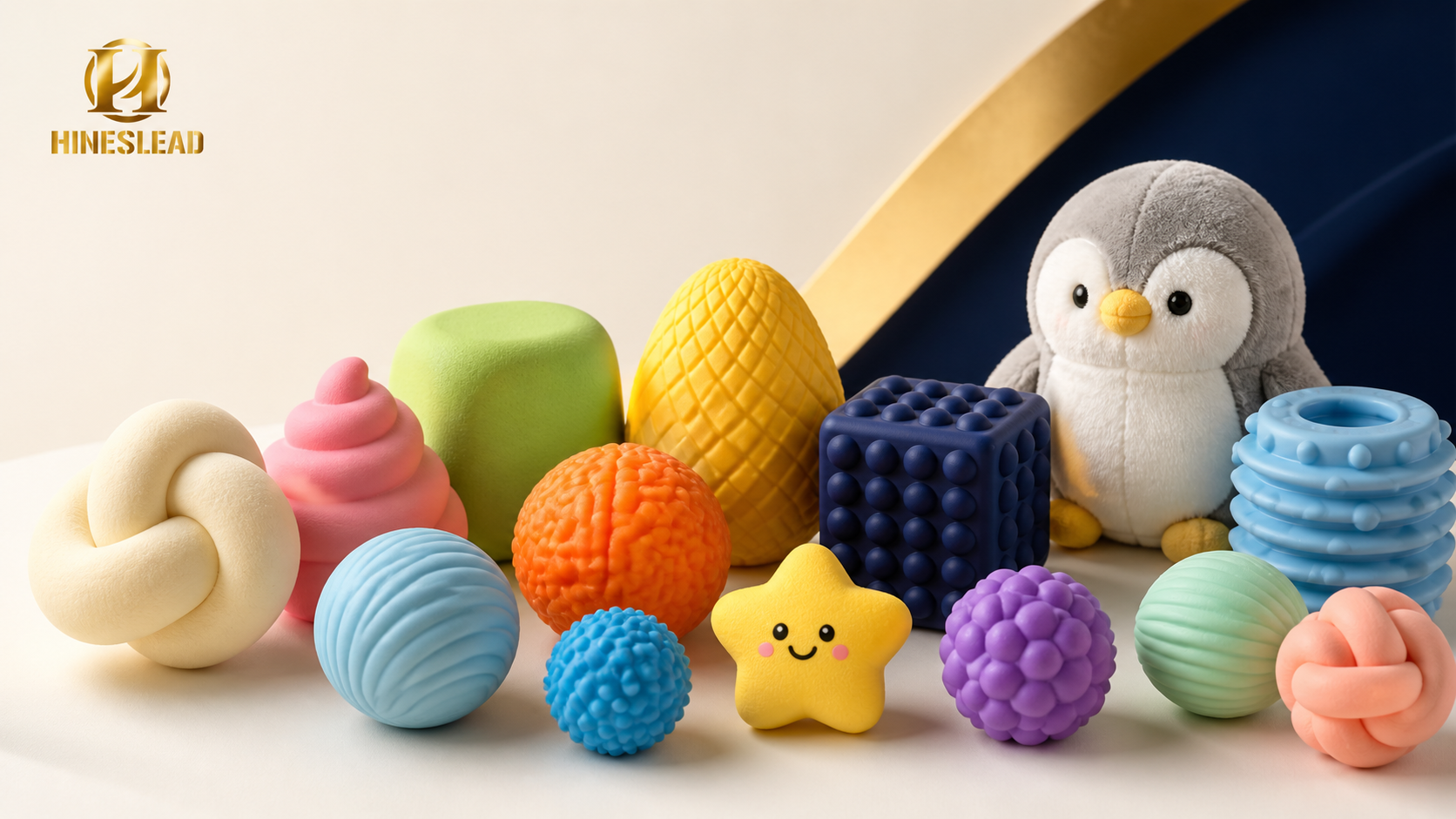
Texture and finish can change both the visual result and the way a foam toy flexes and recovers.
3. Shape is a performance specification
A round bun, a long banana, a character with thin ears, and a dense cube cannot be expected to recover identically. Shape controls the volume of foam, local strain, air movement, heat history, demolding stress, and where the user squeezes. Buyers often choose a silhouette for marketing and only later discover that its smallest features set the manufacturing limit.
Thick masses can hide heat and void risks
A large solid-looking section may react and cure differently from a thin limb. If gas, mixing, or filling is uneven, internal voids can create soft pockets and asymmetric recovery. Ask how the supplier validates the core, especially during the first mold trials. Cutting a few engineering samples can reveal internal structure, though those destructive checks must be planned and documented.
Thin projections need a business reason
Ears, stems, horns, tails, and fingers may tear, crease, coat unevenly, or recover faster than the main body. During design-for-manufacture review, classify each feature: essential brand feature, flexible detail, or removable decoration. A slight thickening or softer transition can improve durability without changing the character. Decide before tooling rather than accepting an unrecorded factory simplification.
Flat bases, faces, and display orientation
If the toy must stand on a shelf or align inside a window box, state the stability requirement. A compressed item may recover with a temporary lean. Printed eyes can make a small tilt look severe even when dimensions are within tolerance. Approve the display orientation, base flatness, and face level after the full recovery time and after packed storage.
4. From sketch to mold-ready files
A useful development package combines visual intent with commercial constraints. Supply front, side, and back views; overall dimensions; protected logo areas; color breaks; packaging envelope; and a list of details that may not change. If 3D files are supplied, identify the version and units. If the supplier creates the model, agree who owns it and what deliverables are returned.
Request a manufacturability mark-up
Before the final 3D approval, ask the supplier to mark the parting line, fill or vent approach if relevant, areas at risk of trapped air, delicate projections, minimum radii, texture limits, and decoration zones. A rendered image can hide these decisions. A marked engineering view makes them discussable.
Plan for molded size versus packaged size
Foam dimensions can vary and the product may compress. If the retailer requires a precise package fit, define which condition controls: fully recovered after conditioning, immediately after demolding, or compressed by an approved tray. Do not design a tight blister or window box from a concept rendering. Use measured production-intent samples.
Protect tooling and creative assets
State mold ownership, exclusivity, storage, maintenance, cavity count, identification, modification approval, and end-of-project treatment. The contract should address artwork, CAD files, characters, print plates, masks, and packaging dies. Use version-controlled files and written approvals. Legal protections vary, so obtain suitable advice for the relevant jurisdictions.
5. What happens during PU foam production
The exact chemistry and equipment belong to the manufacturer, but a buyer should understand the control points. In simplified form, approved components are conditioned and metered, mixed, dispensed into a prepared mold, allowed to react and expand, demolded, cured or conditioned, trimmed, coated or painted, dried, inspected, and packed. Each stage can leave evidence in the final toy.
Metering and mixing
Ratio, temperature, moisture, mixing energy, and time affect the reaction. Poor control can produce uneven cells, streaks, density variation, odor, voids, or inconsistent rebound. Ask which process parameters are recorded for a lot and how start-up material is handled. A supplier need not disclose proprietary formula percentages to show that it controls approved inputs and a validated window.
Dispensing and mold fill
The amount and placement of reacting mixture influence flash, short fill, density distribution, and internal voids. Multi-cavity tools should be assessed by cavity. During trial, request unpainted samples and weights from each cavity. Paint can conceal surface clues that help engineering diagnose a filling problem.
Demolding and post-cure
Removing the part too early may distort the skin or dimensions; holding too long can reduce efficiency. Post-mold conditioning allows reaction and odor to stabilize before decoration and packing. Define when samples are measured and tested. A piece tested immediately after demolding is not directly comparable with one that has rested for several days.
Trimming and repair
Parting flash and fill points may need trimming. Excess cutting can nick the skin and create a future tear. Cosmetic repair material, if permitted, must be compatible and controlled. Define where repairs are acceptable and when a piece must be rejected. High-visibility face areas often need stricter limits than the base.
6. Coating, painting, and printing without ruining the rebound
Slow-rising foam toys commonly depend on paint for character and color. Coating is not an afterthought. It changes surface feel, gloss, odor, strain behavior, and sometimes recovery. A thick film may bridge a crease and crack; an under-cured film may block against the bag; an incompatible system may peel when squeezed.
Base color strategy
The foam may be molded in a base color and then selectively painted, or it may receive broader surface coverage. Ask which areas are molded color versus coating. A small scratch is less obvious when the substrate color is close to the paint. However, every pigment and coating belongs in the controlled material and compliance review.
Artwork placement on a changing surface
A face printed on a recovered toy stretches during compression.Registration should be judged at the intended display state, while durability should be judged after repeated deformation. Supply vector artwork, print dimensions, coordinates, and a hierarchy of critical features. Consumers notice uneven eyes more readily than a small body mark, so defect classification should reflect visual importance.
Drying and cure need time in the schedule
Rushing painted items into sealed bags can trap odor or encourage blocking and transfer. Ask when coating is considered ready for packing and how that status is verified. Production planning should include drying, cure, and conditioned packed-sample review instead of treating them as invisible time.

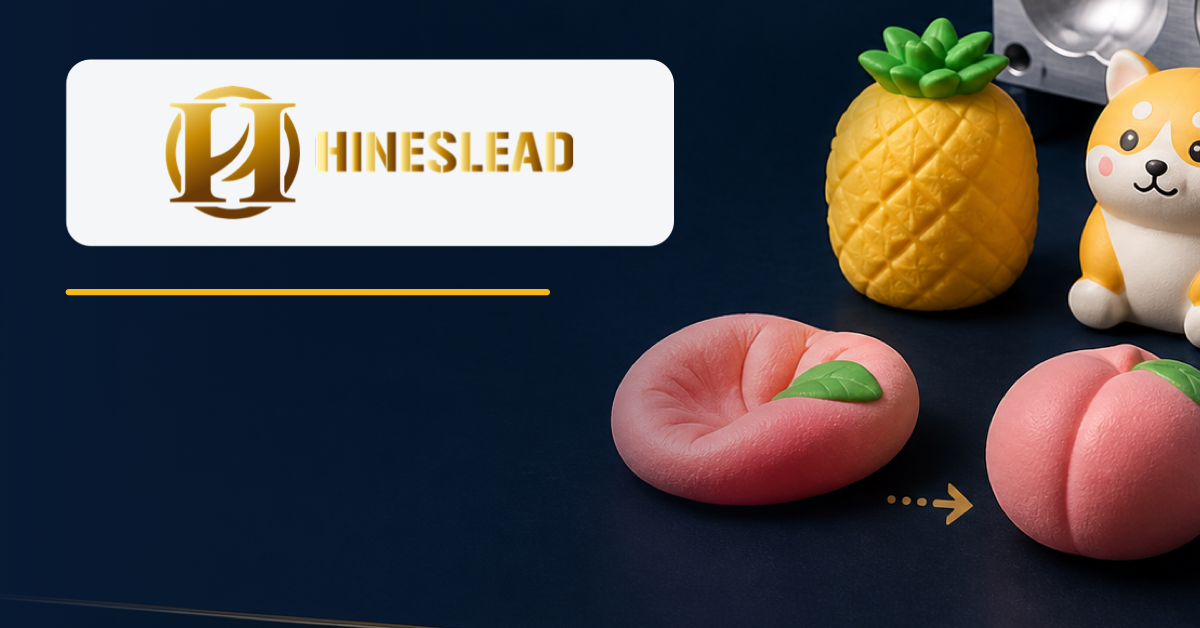
Fruit forms make it easy to see how molded texture, substrate color, and added decoration must work together.
Want a branded character, food, or promotional shape?
Attach the artwork and mark the non-negotiable features. Include the expected rebound window, unit size, packaging, quantity, and sales market so the design review can cover more than appearance.
Ask Hineslead for a custom squishy assessment →7. Build samples in stages
A photograph of one finished sample is not an approval system. Slow-rising projects benefit from staged decisions because form, rebound, paint, and package can interfere with one another.
| Sample stage | What the buyer approves | What should remain open |
|---|---|---|
| Concept / 3D render | Proportion, brand details, overall dimensions, package envelope | Exact foam feel, paint behavior, production tolerance |
| Tool or first unpainted foam trial | Molded form, parting line, base, weight range, preliminary recovery | Final color and decorated appearance |
| Process trial across cavities | Rebound window, consistency, void risk, trimming standard | Retail-pack interaction until packed trial |
| Decorated preproduction sample | Color, gloss, face placement, rub/flex durability, odor after cure | Lot consistency until pilot or production data |
| Packed-product pilot | Fit, compression, shape recovery, transfer, opening experience | Mass-production release pending records and inspection |
Do not sign the best piece only
Ask for a small set that represents cavities and normal process variation. Record individual weight and recovery results. Establish a central signed sample plus boundary samples for features that vary visually. Keep matching retains at buyer and factory. If a sample is unusually good but not repeatable, it is a sales sample rather than a production standard.
Approve with a revision sheet
Each sample submission should list version, mold revision, material code, paint system, date, cavity, conditioning, and open points. When a face moves or a formula changes, update the sheet.The paper trail may feel tedious during development; it becomes invaluable when a team member changes or a reorder begins six months later.
8. Packaging can make a good squishy look defective
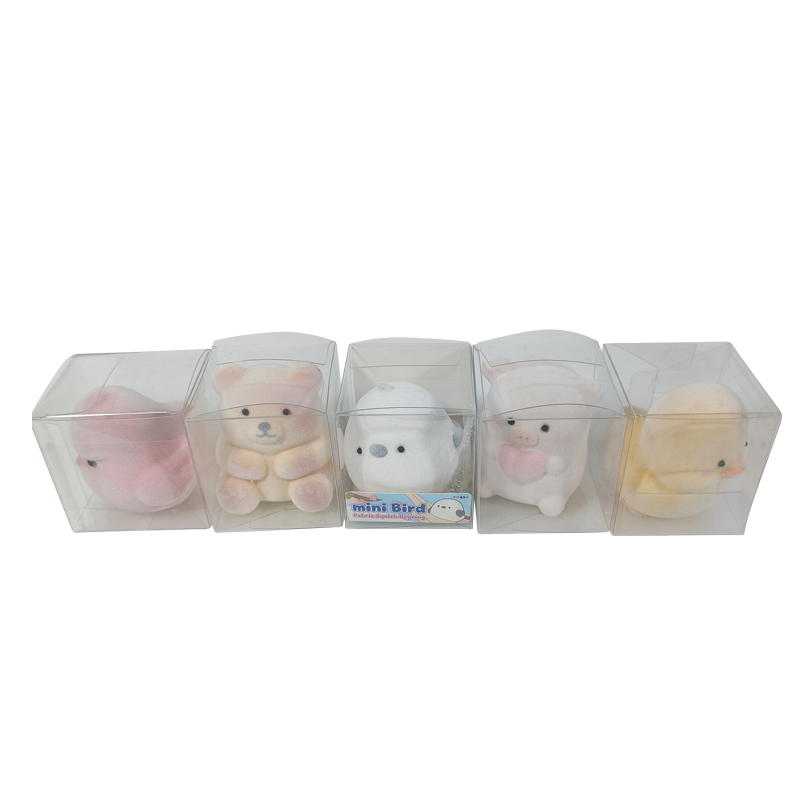
A slow-rising toy is designed to deform, so freight efficiency tempts teams to compress it tightly. Some compression may be acceptable, but the pack-out needs validation. Prolonged pressure can create a temporary set, wrinkles, coating contact marks, or a lopsided first impression. Retailers judge the item when the customer opens it, not when it left the paint line.
Decide the opening experience
Should the product look fully recovered inside a window box? May it arrive compressed in an opaque bag with a recovery instruction? How long can it take to regain display shape after unpacking? The answer affects package volume, freight, messaging, and acceptable conditioning. Do not hide compression behavior; design the experience honestly.
Test contact materials
Place production-intent toys against final film, printed card, tray, label, adhesive area, and neighboring accessories. Use the actual pack pressure. Condition the set under agreed normal and elevated-temperature scenarios, then inspect blocking, color transfer, gloss marks, odor, deformation, and print damage. Confirm warnings and labels remain legible.
Verify carton loading with real packs
Carton quantity affects compression and landed cost. Build a packed carton, measure gross and net weight, check void space and orientation, and review a transport test plan appropriate to the distribution route.If a master carton is stacked in a warehouse, understand how the load reaches the soft retail packs. A carton diagram and approved photos help the packing line repeat the arrangement.
9. Compliance and responsible claims
The importer remains responsible for understanding the rules in its sales markets. Requirements depend on destination, age grade, design, accessible materials, small parts, claims, and packaging. A supplier's old report for a different squishy does not automatically support a new character, color, coating, or formulation.
U.S. buyers can begin with the Consumer Product Safety Commission's Toy Safety Business Guidance. EU buyers can consult the European Commission's toy safety overview. Use current authoritative information and work with a qualified laboratory or compliance professional to define the exact plan for the product and market.
List every accessible layer
A foam toy is not only “PU.” The bill of materials may include foam components, pigment, release-related residues, base coat, color coats, ink, flocking, glitter, adhesive, label, attached charm, and packaging. Identify production suppliers or controlled internal codes. If a paint or pigment changes, evaluate the compliance impact before shipment.
Mechanical review still matters for soft products
Softness does not remove hazards.Thin projections may tear; attached decorations may become small parts; seams or repair areas may open; packaging ties may introduce separate concerns. Age grading, foreseeable abuse, warnings, and marketing presentation should align. Give the laboratory complete production-intent samples and disclose the construction.
Avoid unsupported therapeutic and environmental language
“Stress relief” may be ordinary product description in some contexts, while medical, therapeutic, hypoallergenic, biodegradable, non-toxic, or eco-friendly claims may require specific substantiation and legal review. Use accurate, limited language supported by evidence. Do not let marketplace keyword habits write claims for the compliance team.
10. Price, MOQ, and the cost of consistency
Wholesale buyers should request cost detail sufficient to compare scope. A low quote may assume a smaller unit, lighter foam, fewer paint operations, simpler packaging, looser inspection, or a stock mold. Those options are not automatically wrong. The problem is invisible difference.
| Cost driver | Why it moves the price | Possible buyer choice |
|---|---|---|
| Shape and size | Tool volume, material mass, reaction and cure, carton volume | Simplify thin features or reduce a noncritical dimension |
| Tool cavities and complexity | Tool investment, output, parting, vents, undercuts | Balance launch forecast against tooling and unit economics |
| Foam target | Material system, density, process window, rejects | Approve a practical rebound range rather than an arbitrary extreme |
| Paint operations | Colors, masks, handwork, cure time, registration | Use molded base color and prioritize the most visible details |
| Retail package | Printed minimums, assembly labor, compression, carton size | Start with a stock or shared structure for a pilot |
| Quality evidence | Trials, destructive cuts, cycle tests, laboratory and inspection | Budget risk controls explicitly instead of expecting them free |
MOQ is often a chain of minimums
The mold may run a small trial, yet custom paint, printed bag, display box, or label supplier may require more. Ask for MOQ by component and by color. A buyer can sometimes use a neutral stock pack with a custom label for a first order, then move to printed packaging when demand is proven. Keep safety and labeling requirements intact.
Tooling versus stock molds
A stock shape with custom color and logo can shorten development and reduce upfront cost.A custom mold offers differentiation and control but adds design, trial, revision, and ownership questions. Compare total program value. If the character is central to the brand and expected to reorder, tooling may be justified. If the campaign is one-time and date-driven, stock geometry may be the more responsible choice.
Ask for a landed-cost model
Large foam toys consume freight volume. Unit factory price can be less important than package cube, carton quantity, gross weight, and damage rate. Request package and master-carton dimensions before final approval. Model freight, duty classification with qualified support, testing, inspection, warehousing, and expected rejects. Do not compress the product to win a spreadsheet if the opening experience will lose the customer.
11. Plan lead time as decisions, not a single promise
A new slow-rising OEM project commonly passes through concept approval, 3D review, tool design, mold trial, foam adjustment, decorated sample, packed-product trial, compliance testing, production, inspection, and shipment. Some work can overlap; other stages depend on signed approval. Ask for a milestone schedule with responsible owner and review days.
Color or rebound revisions can require more than a quick tweak. Changing foam behavior may affect density, skin, cure, coating, odor, or test scope. Keep time for a genuine revalidation. If a fixed event date cannot move, reduce novelty or use a validated stock platform instead of compressing every technical step.
12. Quality control for slow-rising foam toys
A visual final inspection is necessary but insufficient. The QC plan should connect each known failure mode to a stage, method, sample size, and owner. Some checks are performed on every piece; others are sampled; laboratory or destructive checks may be scheduled per material, color, or lot.
Incoming and process controls
Verify approved material and paint codes, batch status, storage, and equipment settings appropriate to the process. Record start-up weight and representative cavity pieces. Trend finished weight because it can reveal dispensing drift, though it cannot diagnose every foam characteristic by itself. Check unpainted surfaces before coating conceals small voids or tears.
Finished-product controls
Measure dimensions after the agreed conditioning time. Test rebound by the approved method. Review surface skin, parting line, trimming, paint coverage, registration, color, gloss, odor, and standing stability. Flex and compress decoration at defined intervals. Inspect repaired areas separately if repairs are allowed.
Packed-product and shipment release
Confirm retail pack, label, barcode, warnings, count, carton arrangement, carton markings, gross weight, and package recovery. Pull samples from the packed lot and let them recover under the written method. A toy that passes before packing but fails the opening-experience limit is not ready.
| Defect or risk | Where to control it | Evidence to retain |
|---|---|---|
| Fast, slow, or uneven recovery | Process trial and lot rebound checks | Method, individual results, video, approved range |
| Internal void or soft pocket | Dispensing control, weight trend, planned destructive review | Cavity data, cut-sample photos, lot records |
| Skin tear or trim nick | Demolding, trimming, flex inspection | Limit samples and defect tally |
| Paint crack, peel, or transfer | Coating cure, compression/rub, packed conditioning | Paint batch, cure record, test samples |
| Color or face misregistration | Start-up approval and in-process fixture | Signed standard, placement gauge, photos |
| Permanent package deformation | Pack design and packed-product pilot | Pack-out instruction and timed recovery record |
| Unacceptable odor | Cure, material review, final pack trial | Defined assessment, sample history, investigation |
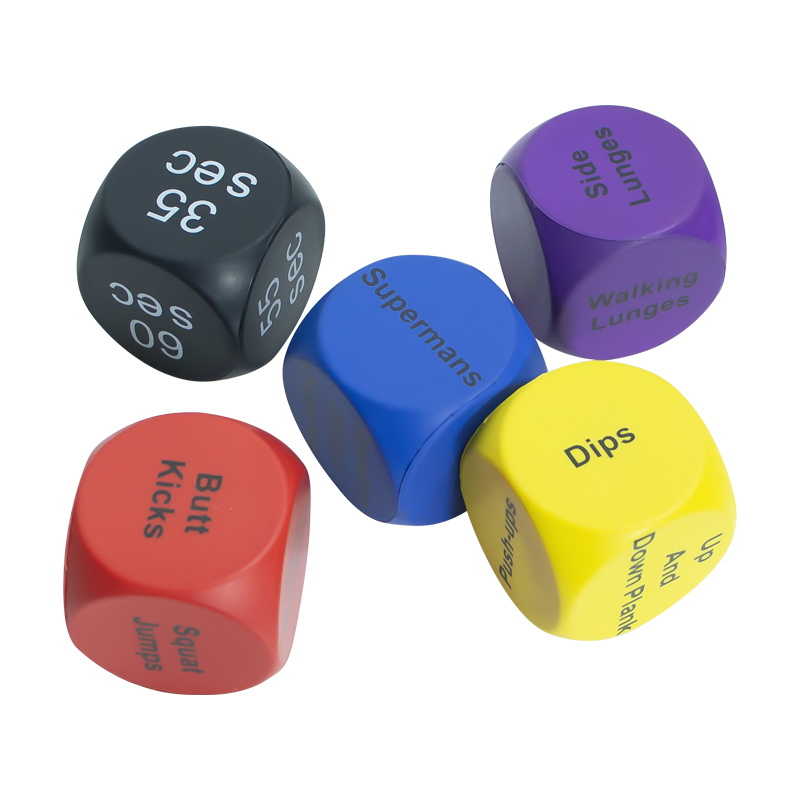
Geometric foam shapes make dimension, corner recovery, print orientation, and packaging pressure easy to specify.
13. Audit the supplier's process, not its presentation
A polished showroom can help you see range, but it does not prove control of your SKU.Ask the team to walk through one recent order from drawing to production record. Look for consistent version numbers, signed samples, material codes, cavity awareness, paint control, nonconformance handling, and traceable packing instructions.
- Can the supplier explain how it defines rebound and show individual trial data?
- Does it evaluate unpainted cavity samples before selecting a final coating system?
- Are foam inputs, pigments, coatings, and packaging tied to controlled codes?
- Can it show how cure or drying time is protected during a busy production week?
- Are trimming and repair limits written, with examples for inspectors?
- Does it test production-intent pieces after actual retail packing?
- Will it cooperate with buyer-selected labs and third-party inspectors?
- Are mold ownership, subcontracting, IP, and change notification documented?
Ask what the supplier would change about your design. Teams that understand the process usually identify a few risks or trade-offs. A supplier that promises any shape, any rebound, any price, and any date without questions may be pricing a different product than the one you expect.
Compare suppliers on the same specification
Hineslead can review your target rebound, art, package, quantity, market, and schedule as one project. Request written assumptions and sample milestones so the quotation stays comparable.
Submit a slow-rising squishy RFQ →14.A complete RFQ checklist
Company and market
- Buyer company, brand, sales channel, and project owner
- Destination countries, intended age grade, and desired launch date
- Initial order quantity, annual forecast, color/SKU split, and reorder expectations
- Preferred incoterm, destination or port, and inspection arrangement
Product and rebound
- Reference sample, drawings, 3D files, dimensions, target weight, and display orientation
- Written conditioning, compression, endpoint, recovery window, and permanent-set limits
- Areas users will squeeze and any features likely to be pulled or twisted
- Surface feel, gloss, texture, odor, base color, and acceptable visual variation
Decoration and packaging
- Vector artwork, colors, print dimensions, location, orientation, and registration tolerance
- Paint coverage map, critical face features, rub/flex requirement, and boundary samples
- Retail package structure, compression allowance, insert, label, barcode, and warnings
- Master-carton quantity, target dimensions, marks, shipping route, and recovery experience
Quality, compliance, and commercial scope
- Proposed compliance plan to be confirmed with qualified experts
- Sample stages, cavity representation, destructive review, retain duration, and traceability
- Critical/major/minor defect definitions, rebound method, inspection plan, and release authority
- Tooling price and ownership, unit-cost assumptions, MOQ by component, setup charges, and exclusions
- Milestone lead time,payment terms, quote validity, material substitution rule, and IP terms
Attach a one-page list called “What may change / What may not change.” That simple distinction helps engineering propose cost reductions without quietly editing brand-critical features. It also gives purchasing a controlled way to evaluate alternatives.
15. Compare slow-rising foam with related OEM categories
The right material begins with the experience and sales context. A buyer building a broader sensory toys wholesale collection may combine several constructions. A capable sensory toy manufacturer should separate chew, stretch, squeeze, fidget, texture, and visual needs before proposing a process.
For branded office campaigns, compare custom stress balls with logo and promotional stress balls wholesale. A specialist PU foam toys manufacturer can help evaluate the rebound and coating of custom PU foam toys. Lightweight closed-cell products may lead you toward EVA foam toys wholesale or custom EVA foam toys, which have a different feel and process.
Elastic or filled ideas may fit a TPR squeeze toy manufacturer, while very soft small characters often appear in mochi squishy toys wholesale. For the delayed recovery described in this guide, source from slow rising squishy toys wholesale suppliers and ask the squishy toy manufacturer to document its test method. If the design calls for molded silicone, consult a silicone squishy toy manufacturer for custom silicone sensory toys.
Textile characters belong with a custom plush toy manufacturer or a plush toys OEM program. Promotions involving athletics may use custom foam sports toys or foam balls wholesale. A multi-process OEM toy manufacturer China partner can coordinate a collection, yet every SKU still needs its own construction, evidence, and QC plan. That product-by-product discipline is the foundation of dependable custom toy manufacturing.
16.Frequent sourcing mistakes
Choosing by recovery time alone
A toy can hit a stopwatch target and still have poor skin, a permanent lean, cracking paint, or internal voids. Approve a performance profile that includes shape recovery, surface condition, feel, and appearance—not one number.
Testing an unpainted sample, then changing the finish
Coating changes surface behavior. Confirm the final decorated piece and packed condition. If the paint system changes later, repeat the affected checks.
Compressing the pack to solve freight too late
Package compression can alter the opening experience and create coating marks. Model freight during design, then validate the actual pack before ordering all printed material.
Assuming every cavity is identical
Track samples by cavity during trials and first production. Weight, surface, and recovery differences may point to tool balance or dispensing. Mixing pieces anonymously can hide a correctable source.
Letting the purchase order replace the specification
A PO with title, quantity, and price cannot hold the full product definition. Attach the approved specification, bill of materials, artwork, pack instruction, test plan, defect table, and sample references by revision.
17. Frequently asked questions
What rebound time is best for a slow-rising squishy?
There is no universally best time. The desired experience, shape, size, user, coating, package, and cost determine a practical range. Compare several conditioned production-like samples. Select a window and a written method, then confirm it across cavities and a pilot lot.
What is the usual MOQ?
MOQ depends on stock versus custom mold, size, foam and paint setup, number of colors, packaging minimum, and factory schedule. Ask for the minimum by mold run, paint scheme, and printed pack. A stock mold with a custom label may support a smaller launch than a fully custom character and window box.
How much does a custom mold cost?
Tooling varies with dimensions, cavities, undercuts, texture, tool material, and expected output. Request a drawing-based quotation that states cavities, included revisions, ownership, life or maintenance assumptions, storage, and whether sample charges are separate. A price without that scope is difficult to compare.
How long does customization take?
A simple stock-shape decoration project can move faster than a new 3D character. Ask for milestone days for 3D approval, tooling, first foam trial, formulation adjustment, paint sample, packed pilot, testing, production, and inspection. Add buyer review and courier time. Protect the time required for drying and packed conditioning.
Can a slow-rising squishy be made in any shape?
Many shapes are possible, but thin projections, deep undercuts, very thick masses, unstable bases, tight print areas, and demanding package dimensions can reduce reliability. Ask for a manufacturability review. Preserve the important brand cues while allowing technical transitions that prevent tears and voids.
How do buyers check for internal voids?
Finished weight trends, hand feel, asymmetrical recovery, and imaging may offer clues, but planned destructive cutting of representative engineering or lot samples is direct and practical. Define the sample plan and acceptable internal appearance with the supplier and quality specialist.
Why does paint crack when the toy is squeezed?
The coating may be too brittle or thick for the strain, under-cured, incompatible, applied over poor surface preparation, or concentrated at a sharp fold. Review material compatibility, geometry, film thickness, cure, and test method. Moving artwork or reducing coverage in the highest-strain area may help.
Can the product be packed compressed?
Possibly, but validate the exact compression, duration, temperature, package contact, and recovery instruction. Set a limit for time to regain the approved display profile and inspect coating transfer or wrinkles. If the customer will see a damaged-looking item, freight savings are not a success.
What documents should be retained?
Keep approved specifications, bill of materials, artwork, color and appearance standards, mold revision, sample approval sheets, compliance evidence, process and inspection records, packed-product trial, shipment release, and retains. The exact document set should match risk, market, contract, and quality system.
Can one laboratory report cover a reorder?
It depends on whether the product, formulation, colors, coatings, suppliers, construction, age grade, market requirements, and report validity remain applicable.Use a documented change review and ask a qualified lab or compliance professional. Do not assume “same shape” means identical compliance scope.
How can a buyer lower cost without lowering perceived quality?
Protect the rebound, face, tactile surface, and opening experience. Consider a stock or shared package structure, fewer low-value paint operations, molded base color close to the finish, simplified hidden geometry, or a stock mold for a time-sensitive pilot. Validate every change rather than estimating its effect.
18. Production-release checklist
- Target recovery has a written conditioning, compression, endpoint, and acceptance method.
- The approved sample set represents normal variation and every mold cavity.
- Shape, dimensions, weight, base stability, thin features, and internal-void plan are controlled.
- Foam, pigments, paints, inks, repairs, accessories, and packaging are listed by approved code.
- Decorated samples pass the agreed compression, rub, flex, cure, and packed-contact review.
- Retail packaging produces the intended opening experience after realistic storage and transport.
- Applicable compliance and labeling are confirmed for the destination and age grade.
- MOQ, tooling, samples, testing, inspection, packaging, freight assumptions, and exclusions are visible.
- Critical defects, 100% checks, sampled checks, destructive reviews, and retains are assigned.
- The PO references the same revision of every approved file and standard.
The strongest wholesale squishy programs do not chase an abstract “slowest rebound.” They choose a satisfying experience that the process can reproduce, the coating can survive, the package can protect, and the compliance plan can support. A well-written rebound method turns opinion into evidence. Staged sampling keeps form, foam, paint, and packaging aligned. Clear commercial scope lets suppliers compete on the same product instead of on hidden assumptions.
Start a slow-rising squishy project with a clearer brief
Share your shape or artwork, reference rebound, dimensions, market, age grade, quantity, packaging idea, and launch date. Hineslead can organize those inputs for a sample and quotation discussion, including the decisions still needing confirmation.
Contact Hineslead for a slow-rising OEM quotation →