
Why buyers still care about squeeze toys
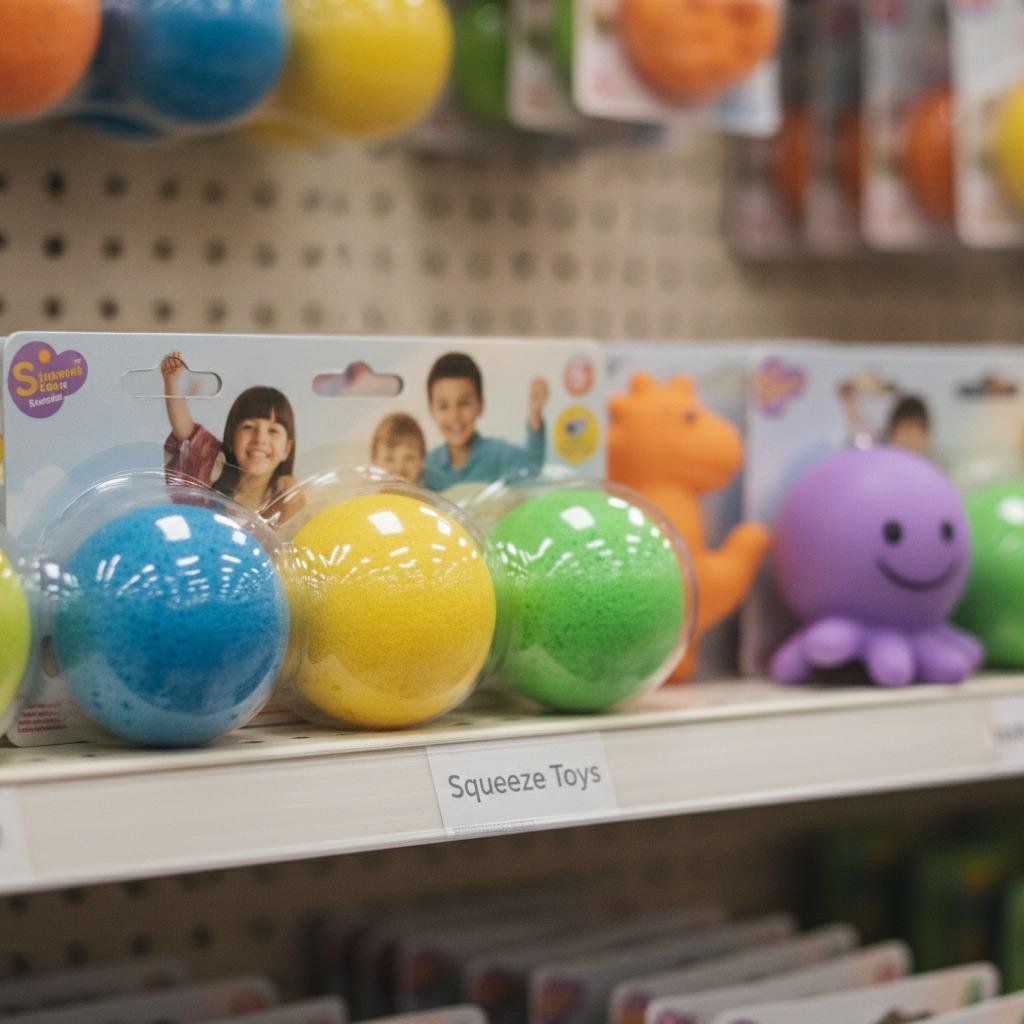
Squeeze toys sit in an awkward but very real middle ground for buyers: they are simple enough to look commodity-like, yet the wrong shape, material feel, or finishing detail can make them feel cheap fast. For sourcing managers, gift buyers, and product teams, the decision is rarely just “cute or not cute.” It is about whether the item delivers the right tactile response, fits the intended audience, and survives handling in retail or promotional use.
That matters because a sensory item is judged in seconds. If it is meant for play, it must invite repeated squeezing without feeling hard, sticky, or awkward in the hand. If it is meant for décor or novelty gifting, it needs stronger shelf appeal and a form that photographs well. The same category can serve both worlds, but the buyer has to know which problem they are solving before placing an order.
What the category usually includes
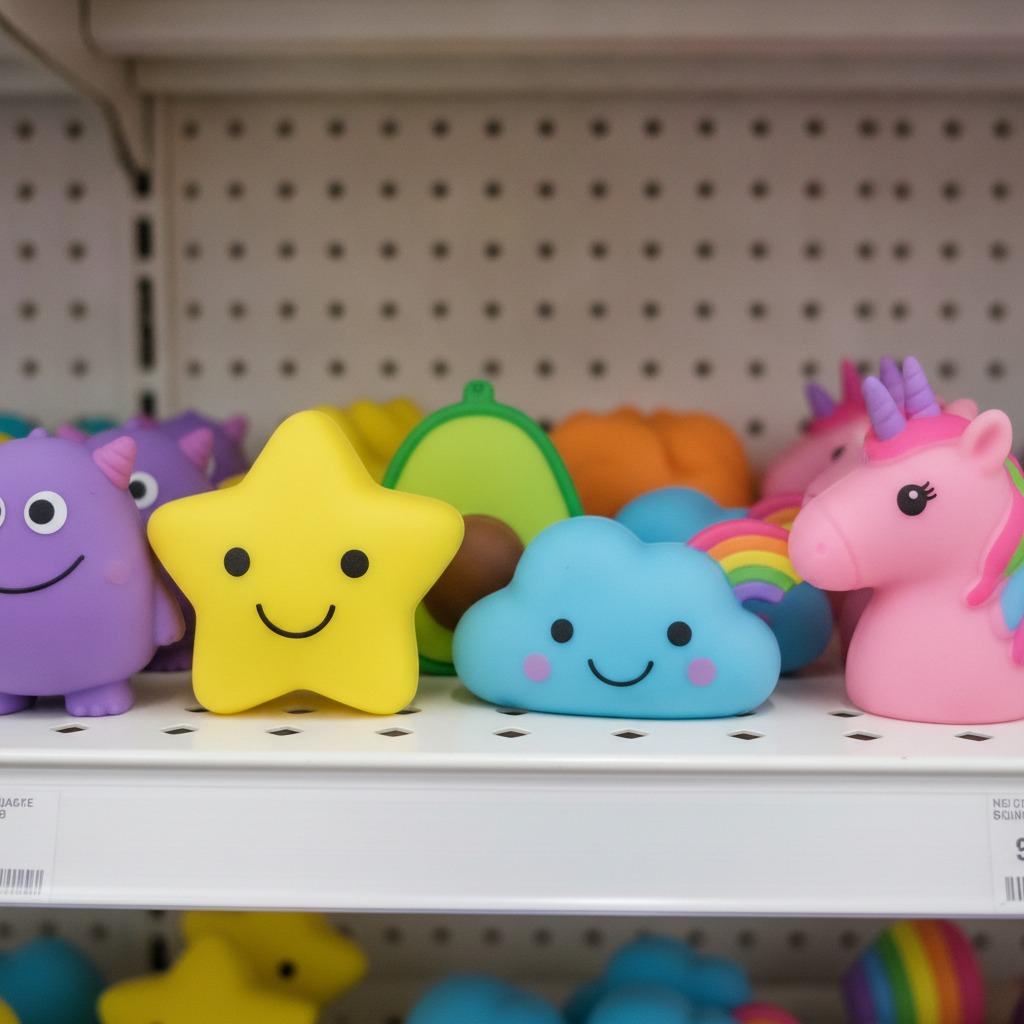
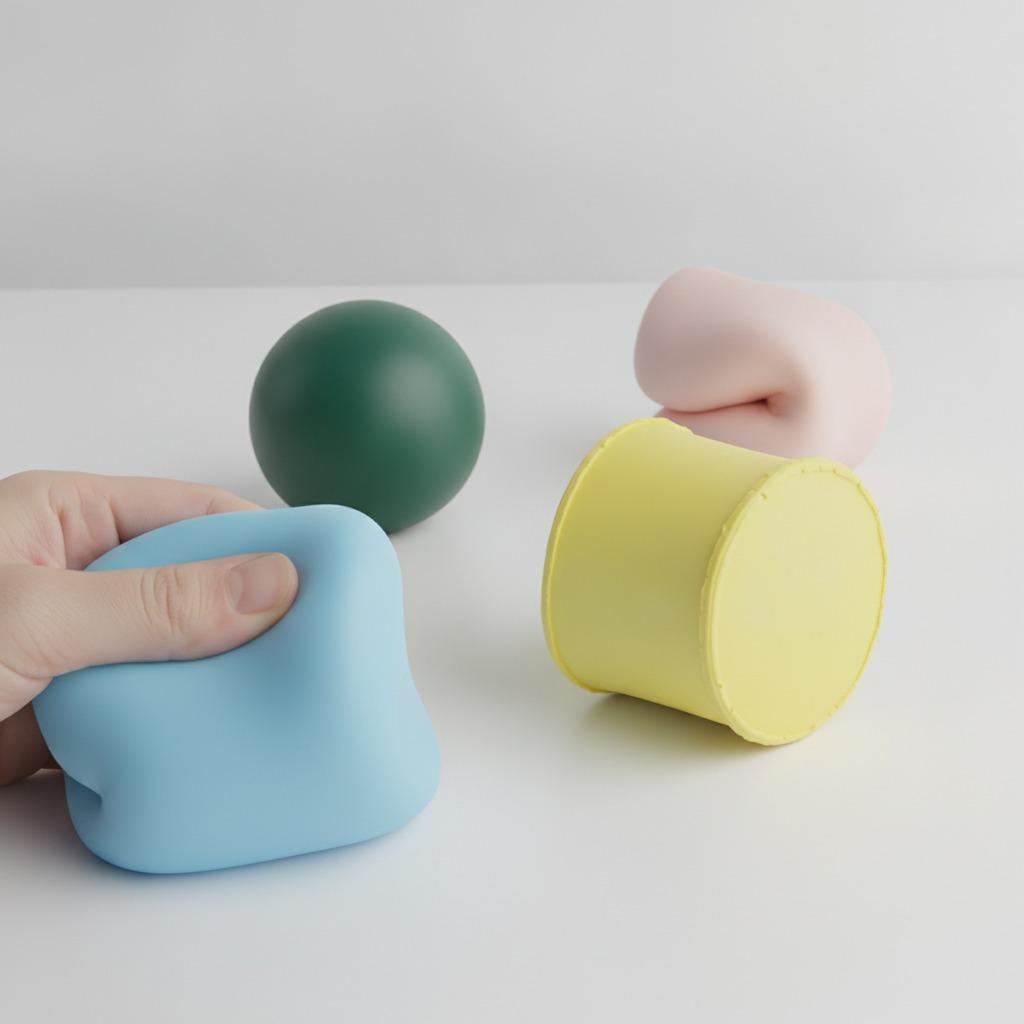
In the broadest sense, squeeze toys are soft-hand feel products designed to be compressed and released. They may be simple foam shapes, gel-filled items, molded rubber pieces, or themed novelty objects that lean more toward display than active play. The related search terms often overlap: a sensory squeeze toy points to tactile engagement, while squeeze toys for kids emphasizes age-appropriate appeal and hand feel. A cheese squeeze toy or other food-themed version adds novelty and visual humor, which is useful in gift channels and seasonal merchandising.
One caution worth stating plainly: not every item that looks playful is meant for the same use case. Retail buyers sometimes assume the appearance tells the whole story, but material structure, surface finish, and intended age group matter more than the shape alone.
How product form changes buyer decisions
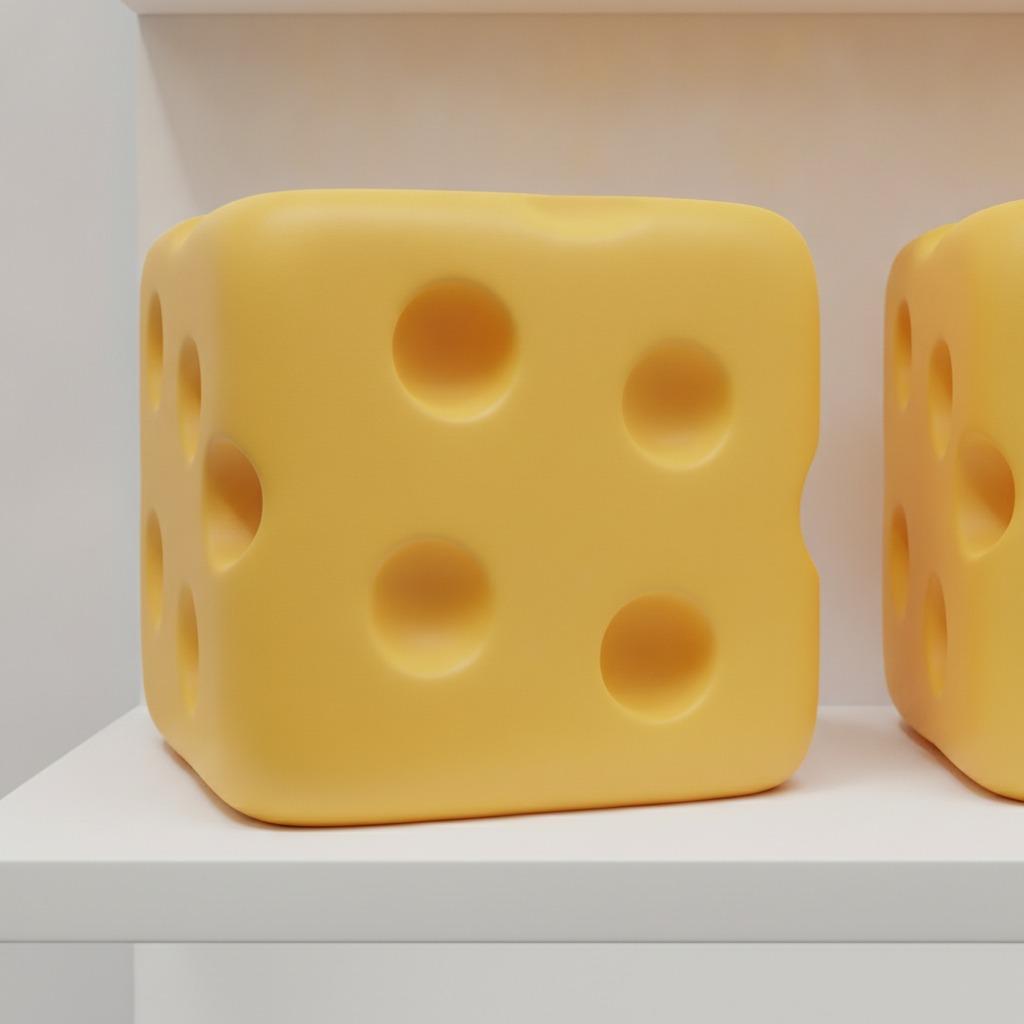
A themed object can move from toy aisle to home décor very quickly, depending on how it is made. That is why a product like a cube-shaped, Swiss-style cheese candle is useful as a reference point. It is not a squeeze toy in the functional sense, but it shows how molded form creates immediate shelf recognition. The photographed candle uses yellow molded material, rounded cube geometry, recessed hole details, and a small wick stub on top. Those visible features give it a novelty identity before the buyer even reads a label.
For squeeze toys, the same principle applies. Surface texture, edge rounding, and color uniformity influence whether the product feels premium, playful, or disposable. A good sensory item usually balances visual clarity with a forgiving tactile surface. If it is too hard, it loses its “squeeze” value. If it is too soft or poorly finished, it can look untrustworthy on the shelf.
Quick comparison for buyers
For kids’ use, buyers usually prioritize safe handling, a friendly shape, and a product that looks durable under repeated squeezing. For sensory use, tactile response and hand comfort matter more than novelty alone. For gift or display channels, the product has to photograph well and stand out from standard toy shapes.
That is why the same supplier may approach a novelty candle, a molded toy, and a soft tactile item with different tooling, finishing, and packaging assumptions.
Material and manufacturing choices
Ningbo Yinzhou Hines Rubber & Plastic Co., Ltd. positions itself around rubber and plastic products, toys, and international market cooperation, with attention to stable raw-material sourcing and new solutions for varied market needs. For buyers, that suggests a supplier mindset that is relevant to tactile consumer products: material consistency, repeatable molding, and enough flexibility to serve export-oriented demand. The company’s profile points to a practical manufacturing orientation, which is important in categories where appearance alone does not guarantee performance.
In squeeze toy production, the key choice is usually not just the shape. It is the material system, the molding method, and the quality of the surface finish. Buyers should ask how the product is formed, how color is controlled, and what kind of feel is expected in normal use. If the item is intended for gifting, the finish may matter more than rebound. If it is intended as a sensory item, tactile behavior becomes the first question.
Common mistakes buyers make
One common mistake is buying by theme first and use case second. A food-inspired object, for example, may look charming in a catalog but fail if the target channel expects an actual squeeze sensation. Another mistake is assuming all novelty items can be handled the same way in logistics and retail. Display pieces, toy-like products, and soft-touch consumer goods each have different expectations around packaging and presentation.
Buyers also sometimes overlook the practical side of compliance and user safety. It is not enough to say “for kids” or “for sensory use” and stop there. The supplier should be able to explain the intended audience, the material family, and any relevant restrictions or care guidance. If that information is vague, treat it as a warning sign.
How to evaluate a supplier before you commit
Start with samples and ask what matters most for your channel: visual novelty, squeeze feel, durability, or display value. If the supplier offers molded novelty products, review edge quality, color consistency, and the reliability of small structural details. In a product like the cheese-shaped candle, for instance, the sculpted holes and rounded cube form are part of the appeal. In a squeeze toy, the equivalent questions are whether the shape holds up after use and whether the surface remains pleasant in hand.
It also helps to ask whether the product is meant for active play, sensory use, or decorative merchandising. Those are not interchangeable categories, even when the item looks similar in a photograph.
Buyer takeaway
If you are sourcing squeeze toys, the real decision is not simply what shape sells. It is whether the item fits the use case, the customer age group, and the retail story you are trying to tell. Novelty products with strong visual themes can work very well, but only when the material feel and manufacturing quality match the promise on the page.
For procurement teams exploring custom shapes, themed sensory goods, or adjacent novelty items, a supplier with rubber, plastic, and toy manufacturing experience is a sensible place to start. Ask for samples, verify the intended function, and do not let a clever shape hide weak construction.
FAQ
Are squeeze toys always for children?
No. Some are designed for kids, some for sensory use, and some are novelty objects intended for display or gifting.
Can a food-shaped product be used as a toy?
Not automatically. Shape alone does not define function, and buyers should confirm the product’s intended use before marketing it that way.
What should I ask a supplier first?
Ask about material, molding method, target user, surface finish, and whether the item is intended for play, sensory handling, or décor.
Next step
If your buying plan includes custom novelty shapes, sensory items, or themed consumer products, request samples early and compare the tactile feel as carefully as the artwork. That is where most sourcing decisions are won or lost.