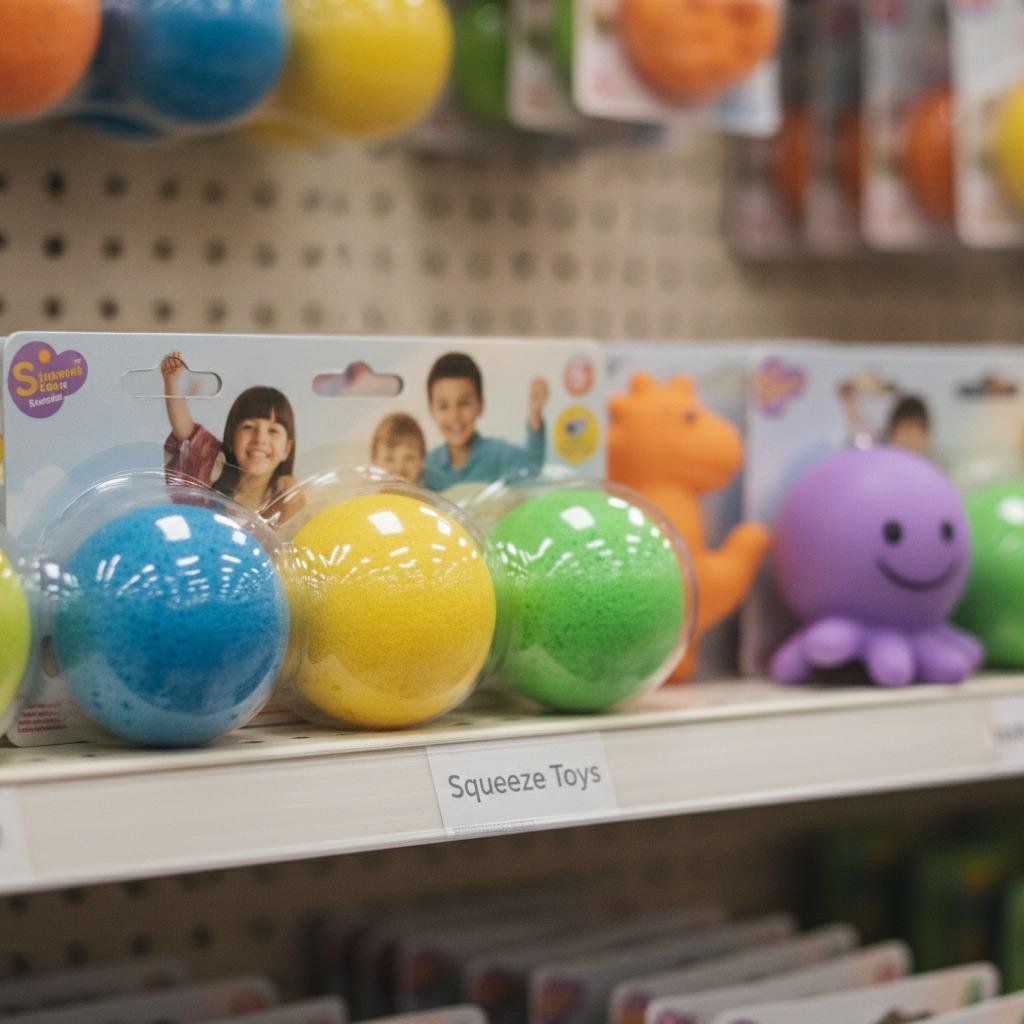

Why buyers keep asking about squeeze toys

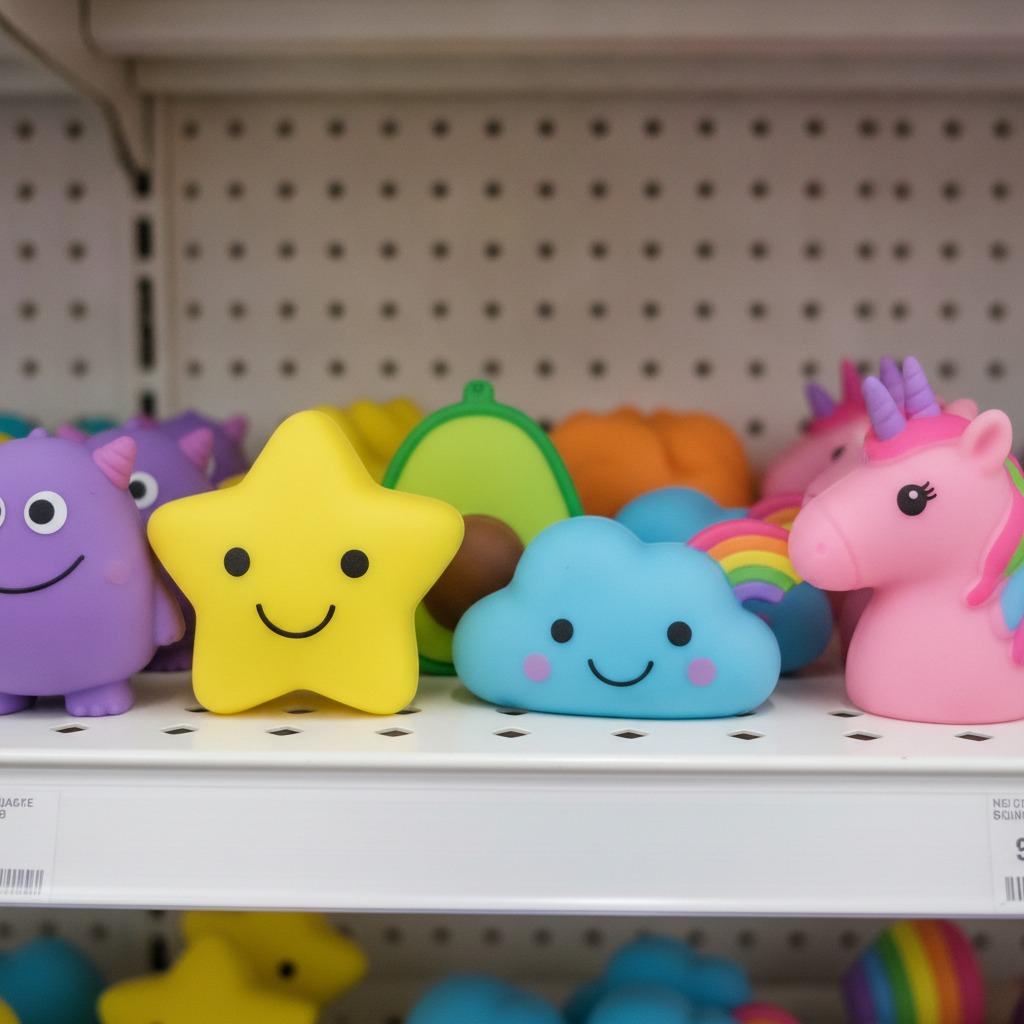
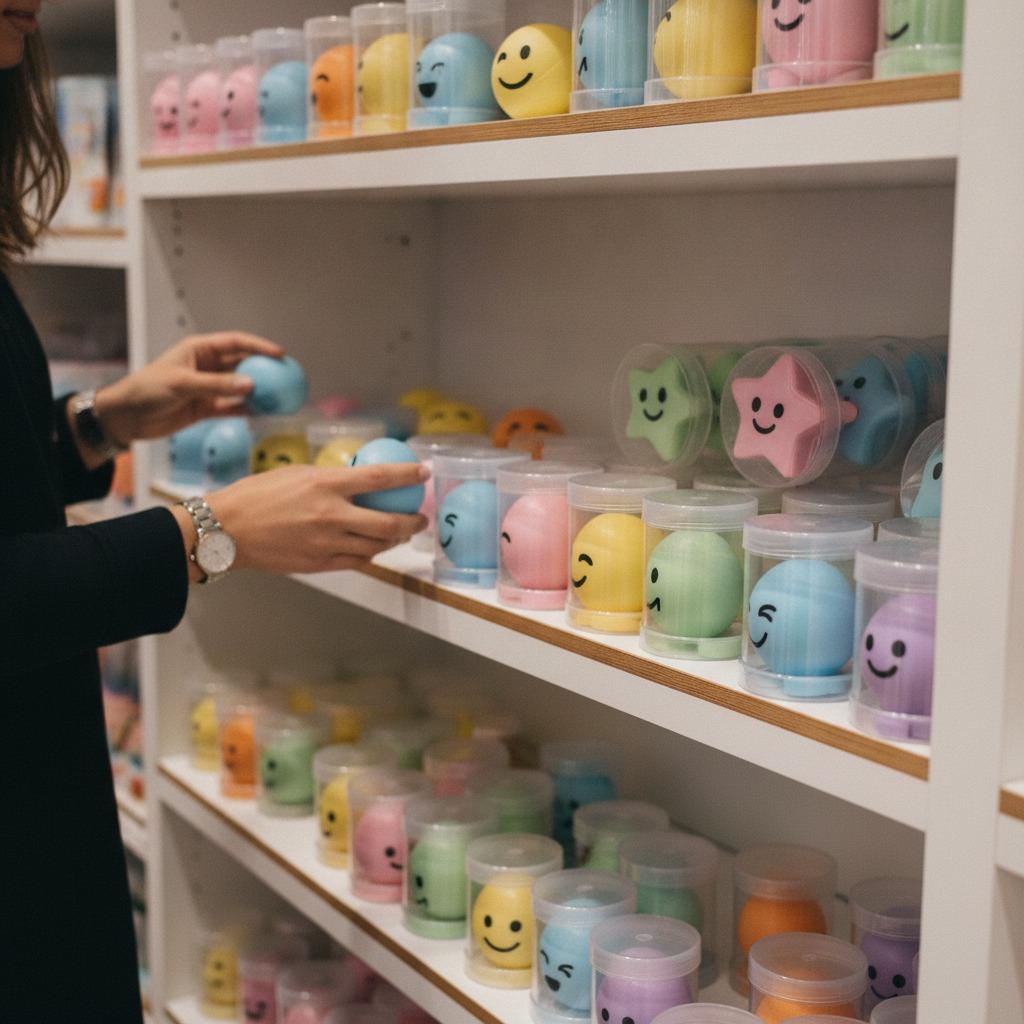
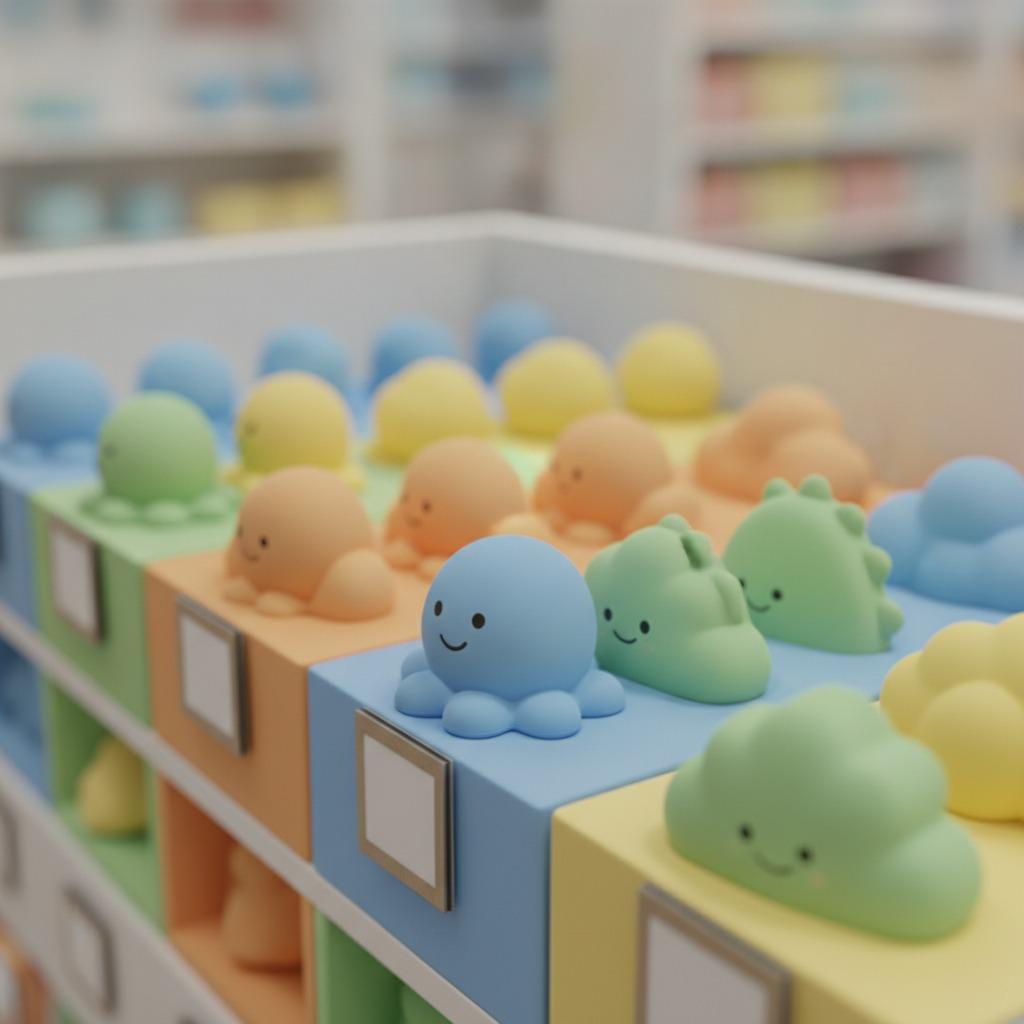
Squeeze toys have moved well beyond the children’s aisle. In sourcing meetings, they come up as sensory tools, novelty gifts, display items, and low-cost impulse products that can sit in a gift shop basket and still get picked up. That makes the category harder to judge than it looks at first glance. A buyer is not just choosing a shape; they are choosing how the item feels in the hand, how it presents on shelf, how it holds up under repeated compression, and whether it fits the age group or retail channel they have in mind.
For product teams and sourcing managers, the real question is often simple: which kind of squeeze toy makes sense for this use case? A sensory squeeze toy for a classroom or therapy-style setting is not the same thing as a novelty cheese squeeze toy for seasonal retail, and a toy aimed at younger children should be assessed differently from a countertop display piece. The wrong choice can lead to returns, weak sell-through, or a product that looks funny online but disappoints in person.
What buyers should sort out before placing an order
The category is broad, so it helps to separate the likely applications early.
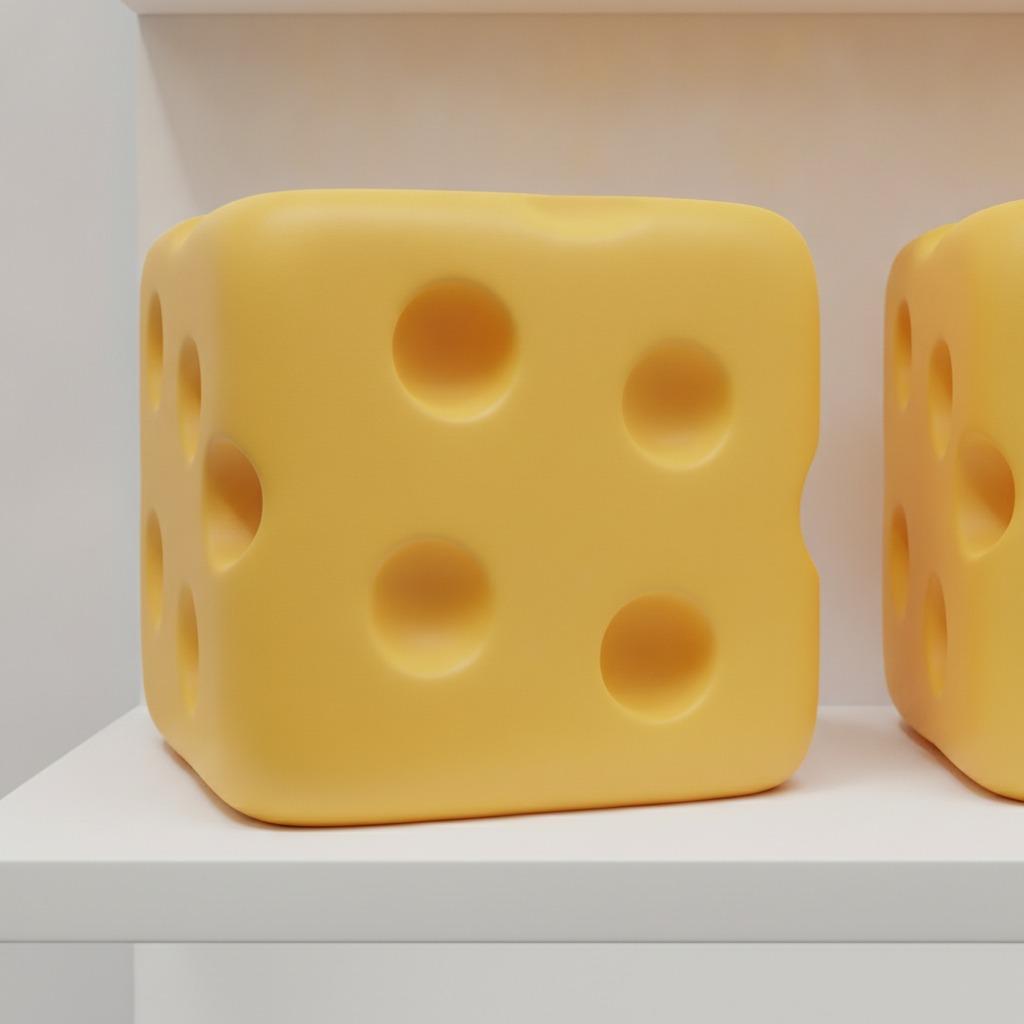
A squeeze toy used for stress relief or sensory play usually needs a soft, satisfying rebound and a finish that invites repeated handling. A product sold as squeeze toys for kids needs extra attention around age grading, durability, and the absence of small parts or fragile details. A novelty item such as a cheese squeeze toy, meanwhile, often wins on shelf appeal and humor. Its job is to stand out fast, sometimes in gift shops, restaurant counters, or themed retail displays, where the visual joke matters almost as much as the tactile feel.
That distinction matters because buyers sometimes overestimate how much one design can do. A toy that photographs well may not withstand extended squeezing. A product that feels pleasant may not have the visual hook needed for retail. The best programs usually start by deciding whether the priority is tactile performance, visual novelty, or a mix of the two.
Material and construction: the part that decides repeat use
In squeeze toy sourcing, the material system and the build method carry more weight than the headline shape. Softness, rebound, surface finish, and seam quality all shape the user experience. Even when a product looks simple, the way it is molded or assembled can affect consistency from unit to unit.
Ningbo Yinzhou Hines Rubber & Plastic Co., Ltd. positions itself in rubber, plastic, and toy manufacturing with international-market experience and close supplier cooperation for raw material supply. That kind of supply-chain coordination matters in categories where visual consistency and material stability are both important. Buyers in this space usually want the product to feel familiar from batch to batch; novelty loses value quickly if the finish changes too much.
If a product is intended as a sensory squeeze toy, the buyer should ask for samples that reflect real use, not just display samples. If it is aimed at children, practical checks become even more important. The surface should not feel sticky, the form should recover cleanly after compression, and decorative features should not create weak spots that split early. None of that is glamorous, but it is what determines whether a low-cost item becomes a repeat seller or a one-season distraction.
Where novelty shapes can work better than generic toys
This is where themed products earn their keep. A cheese squeeze toy, for example, can work in restaurant merchandising, gourmet gift shops, seasonal novelty assortments, and curated counter displays. It is a small object, but it carries a clear visual story. That makes it easier to position than a plain ball or anonymous character shape.
There is also a practical retail advantage. Thematic items tend to support cross-merchandising. A cheese-shaped novelty can sit near kitchen gifts, party favors, or food-themed décor. It can also be used as a conversation piece in a display where a standard squeeze toy would disappear. Buyers should not confuse that with universal appeal, though. These products are niche by nature, and niche is fine as long as the channel is right.
Common sourcing mistakes
One common mistake is assuming all squeeze toys are interchangeable. They are not. The wrong softness level can make a product feel cheap or oddly resistant. Another mistake is buying on shape alone and ignoring how the item will be handled in real life. If the target customer is a child, that means wear, drops, and repeated squeezing. If the target customer is a gift buyer, presentation and novelty carry more weight, but the product still needs to look neat on arrival.
A second mistake is over-specifying too early. Buyers sometimes demand exact claims about scent, composition, or performance before the supplier has even confirmed the base material. That slows the project and can create confusion. It is better to start with the visible structure, intended use, and expected retail environment, then move into sample approval and testing.
Practical buyer advice
Before you source squeeze toys at scale, define three things: who will handle it, where it will be sold, and what makes it worth picking up. That framework usually prevents the most expensive errors.
If the item is for sensory use, ask for multiple samples and test the feel over time. If it is for kids, review the design for age-appropriate details and basic safety concerns. If it is a novelty display item, focus on visual clarity, shape recognition, and shelf impact. For a themed item like a cheese squeeze toy, the silhouette should read instantly from a short distance. If the joke needs explanation, it is already too weak.
Buyers should also be careful about assumptions around product materials and features when a sample is decorative or concept-driven. A candle-like novelty cube, for instance, can look toy-adjacent without being a toy at all. That distinction matters in sourcing, merchandising, and compliance. The category boundary is easy to blur if you are moving quickly.
FAQ
Are squeeze toys always for children?
No. Many are sold for sensory use, desk play, stress relief, novelty gifting, or retail display.
What matters most when choosing a squeeze toy supplier?
Consistency, material quality, and whether the supplier can support the design intent without the product losing its feel or visual appeal.
Can a themed novelty shape work in serious retail?
Yes, if the channel supports impulse purchase or gift buying. Themed items often do well where personality matters more than utility.
Next step for buyers
If you are building a squeeze toy assortment, start with the use case, not the decoration. Once the application is clear, it becomes much easier to judge whether a sensory squeeze toy, a kids’ item, or a novelty shape like a cheese squeeze toy belongs in the line. For sourcing teams looking at rubber, plastic, or toy programs, a supplier with broad manufacturing experience and international market familiarity can be a useful starting point for samples and concept development.