Why buyers talk about squeeze toys and why the category keeps growing
Squeeze toys keep showing up in product catalogs, gift shops, and sensory product lines because they solve a simple problem: people want something tactile, playful, and easy to understand at a glance. A good squeeze toy is not just a novelty. For many buyers, it sits at the intersection of stress relief, desk accessories, children’s play, and impulse gifting. That makes the category broad, but it also means sourcing decisions matter more than they first appear.
For sourcing managers and product teams, the key question is usually not whether squeeze toys sell. It is which style fits the target customer, what material feel will be acceptable, and how far the product can lean into novelty before it starts to lose practical appeal. In that sense, a sensory squeeze toy can be evaluated like a small consumer product rather than a gimmick: shape, surface, rebound feel, visual theme, and safety expectations all matter.
What buyers usually compare first
The quickest way to sort the category is by intended use. Some squeeze toys are designed for calming, some for children, and some for retail novelty. The differences may seem minor on a product sheet, but in the real world they influence returns, complaints, and repeat sales.
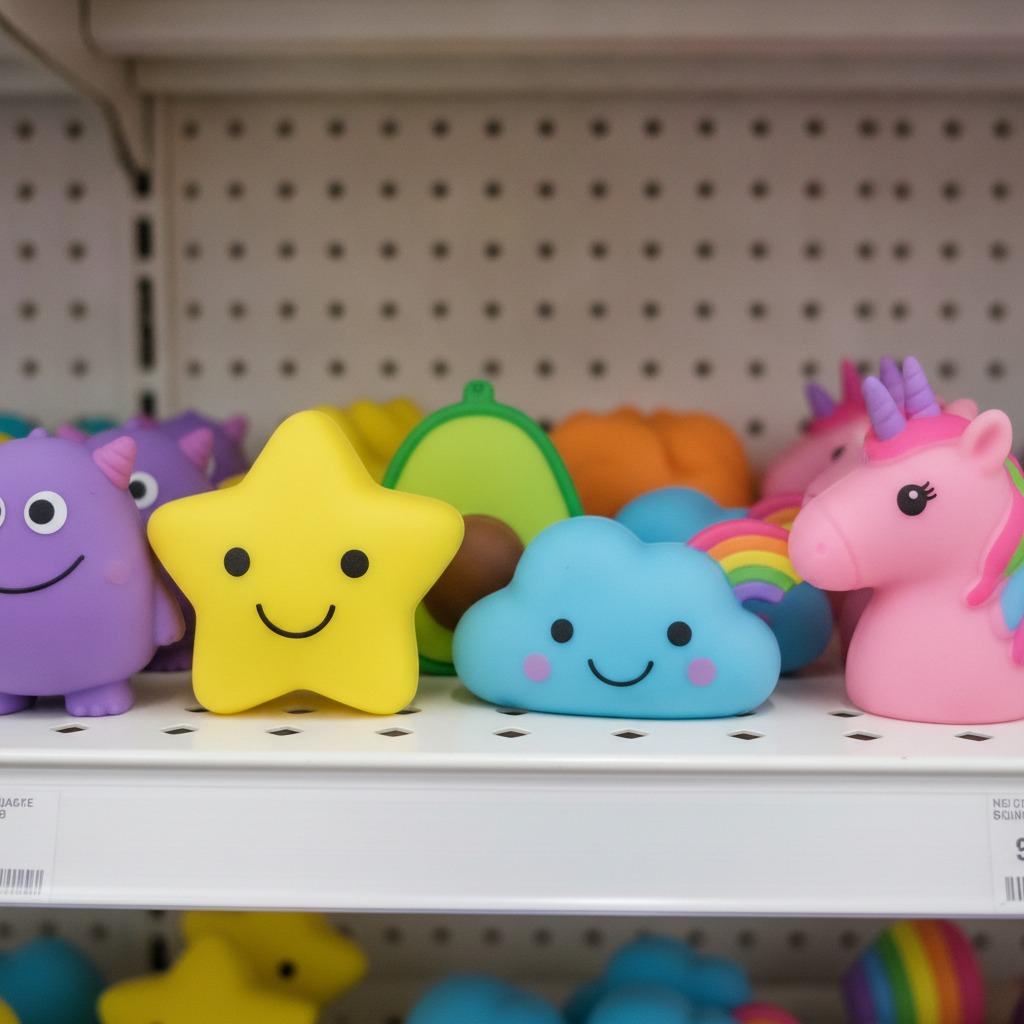
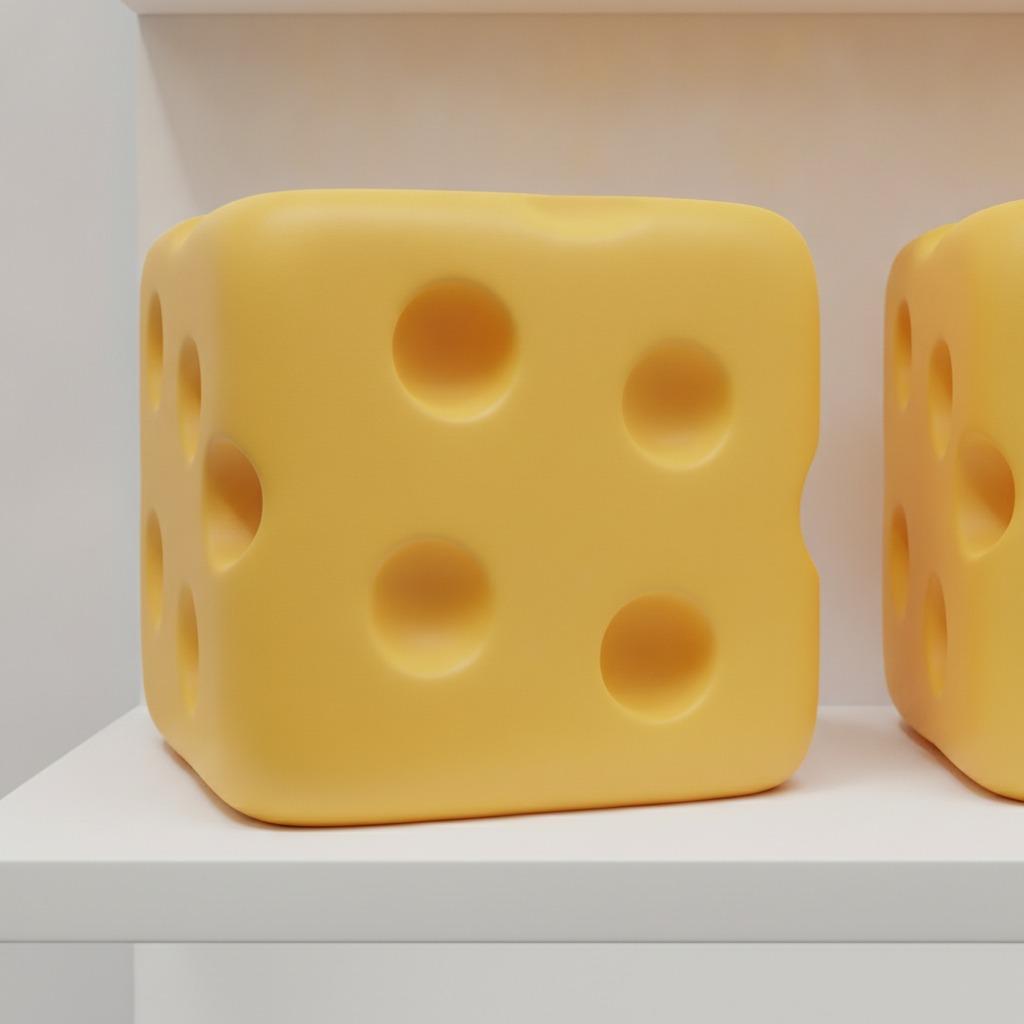
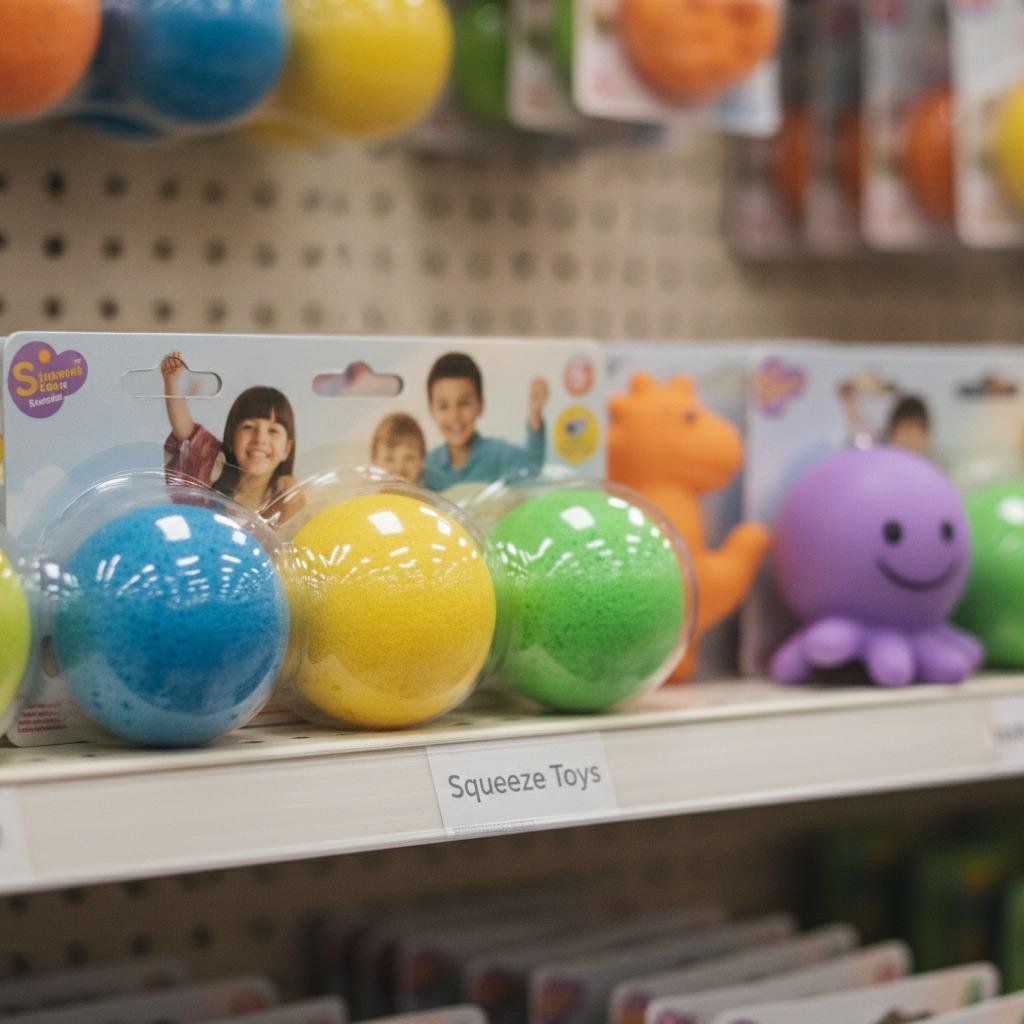
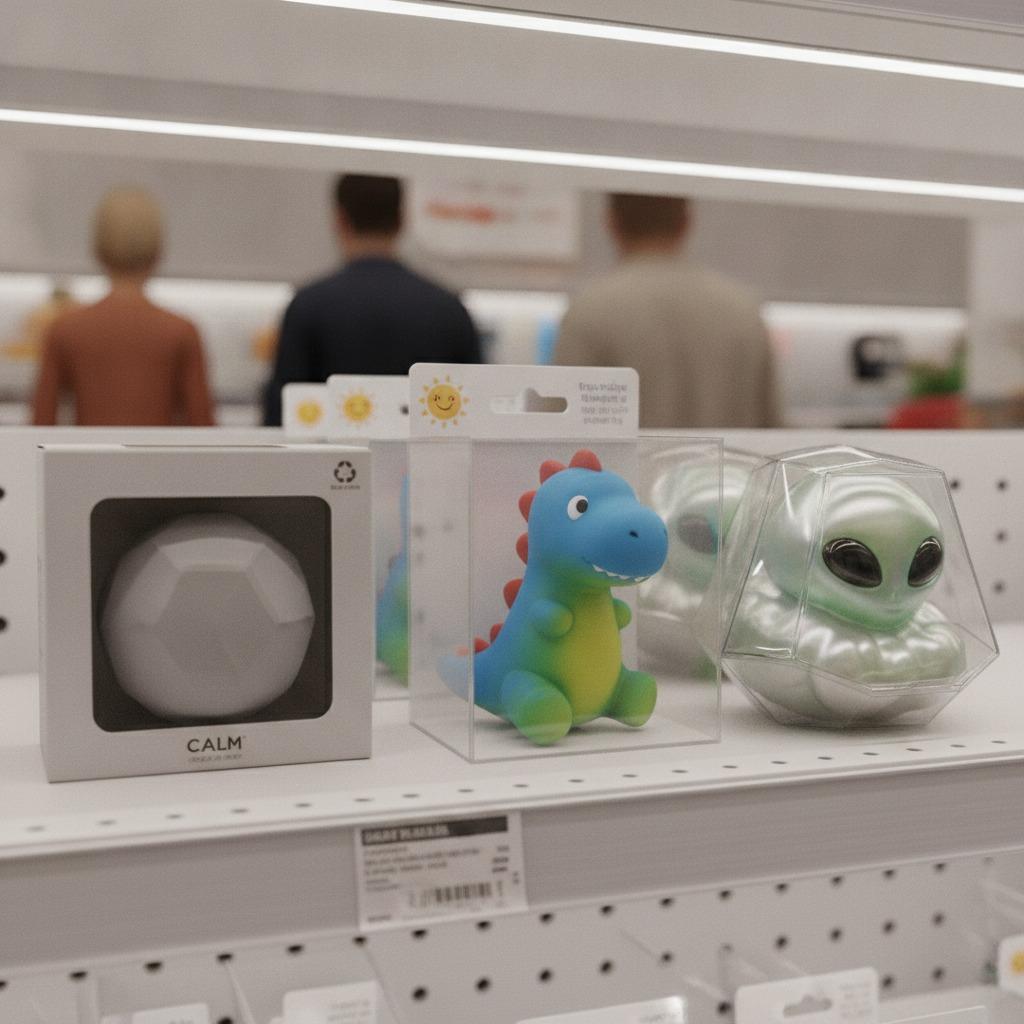
A squeeze toy for adults or office environments usually needs a more restrained look and a pleasant, resilient feel. Squeeze toys for kids often need brighter styling and a form that is easy to grasp. Then there are novelty pieces, where the design does most of the selling. A cheese squeeze toy, for example, is memorable because the shape is instantly recognizable and a little funny. That kind of visual shorthand is useful in gift retail, but it also narrows the audience; not every buyer wants a product that leans heavily into humor.
Where product design has the biggest effect
Shape is not decoration. In a squeeze product, shape changes the whole experience. Rounded edges are generally friendlier in the hand than sharp corners. Surface texture can make a toy feel more premium or more playful. Even the amount of visible detail matters, because a toy that looks too busy may feel cluttered, while one that is too plain may not stand out on shelf.
There is also a practical side to this. If the object is intended to be squeezed repeatedly, the structure should look and feel consistent. Buyers often underestimate how quickly a novelty item can be downgraded by a poor hand feel. A piece that feels hollow, collapses unevenly, or recovers too slowly can lose its appeal after the first few uses.
Material cues buyers should pay attention to
If a supplier is showing a soft toy, elastic polymer, foam, or other compressible body, ask for clear samples and handling notes. The tactile impression matters more than glossy photography. For sensory squeeze toy programs, consistency from piece to piece is often more valuable than a dramatic prototype.
A note on themed novelty items
Not every product in this space is meant to behave like a conventional stress ball. Some items are designed primarily as decorative novelties with a playful visual identity. The cheese-shaped candle provided in the product information is a good example of how theme can carry the entire product. It is a novelty decorative candle shaped like a block of Swiss cheese, with a yellow matte finish, recessed circular holes, and a single centered wick. That is a strong visual hook for kitchen-themed décor, gift shops, and seasonal displays.
For buyers, the lesson is straightforward: themed products can widen the audience, but they also create expectations. A piece that looks like a cheese-shaped object must be presented carefully so customers understand whether they are buying décor, a gift item, or a functional candle. Ambiguity in a retail listing can cause trouble later.
How to select the right item for your channel
If you sell through gift shops or novelty retail, look for products that can be understood in one second from a shelf display. If your channel is aimed at children or family buyers, the design should be easy to grasp and not overly delicate. If you are developing a sensory line, the tactile response and durability take priority over visual wit.
Ningbo Yinzhou Hines Rubber & Plastic Co., Ltd. describes itself as working with international expertise, close supplier relationships, and ongoing product development across rubber, plastic, and toy categories. That kind of manufacturing background is relevant because buyers in this segment often need a supplier who can move between playful design and repeatable production without losing consistency.
Common mistakes in sourcing squeeze toys
One common mistake is choosing based on novelty alone. A product may look strong in a photo and still disappoint in hand. Another is assuming the same item will work across every sales channel. What sells in a humorous gift store may not fit a school-age sensory aisle, and a children’s toy may feel too basic for adult desk use.
Buyers should also be cautious about over-specifying features that are not supported by samples or documentation. If softness, rebound, or finish are important, verify them before placing volume orders. That sounds obvious, but it is where many small programs go sideways.
Practical buyer advice before placing an order
Ask for samples and examine them under normal handling conditions, not just on a white background. Confirm whether the item is meant for decoration, play, or light sensory use. For novelty formats like the cheese squeeze toy style, make sure the humor fits the customer profile. A clever design can drive impulse purchases, but only if the audience sees it as useful or giftable rather than random.
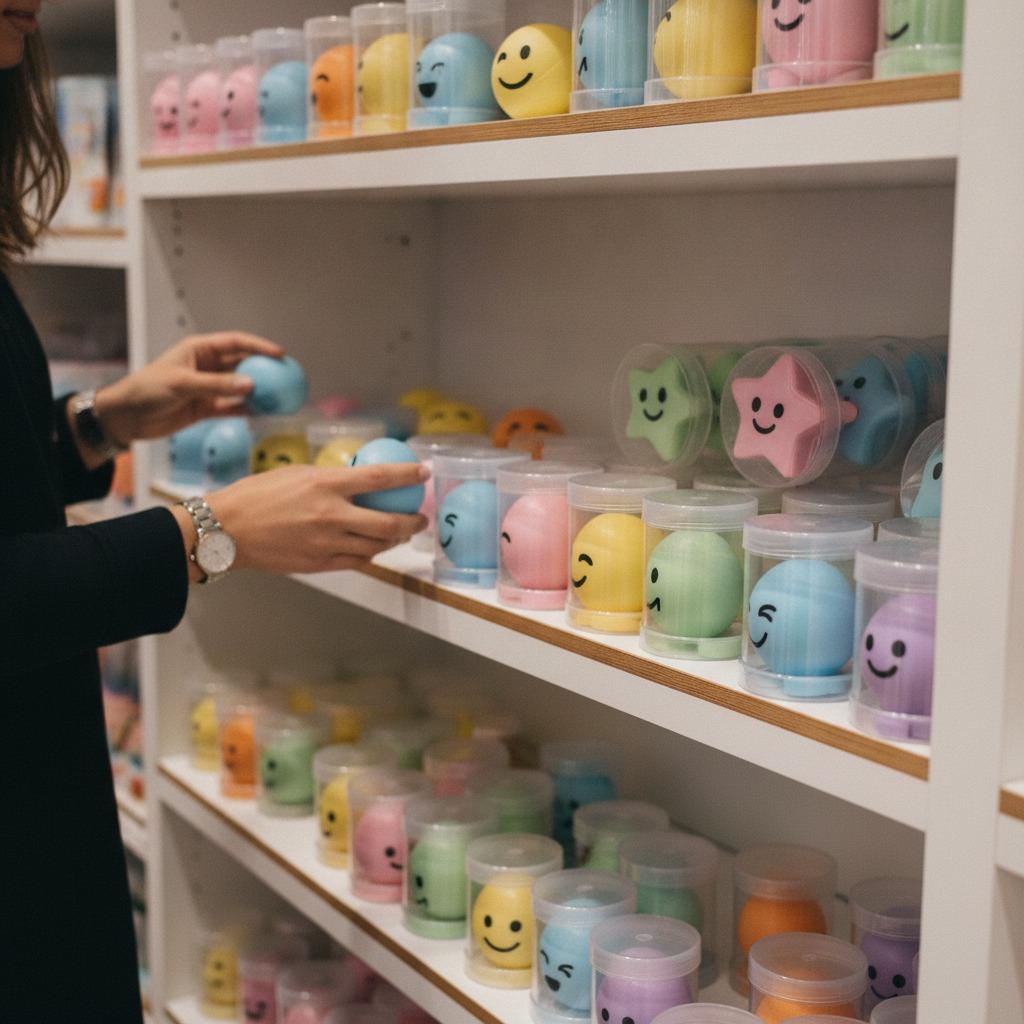
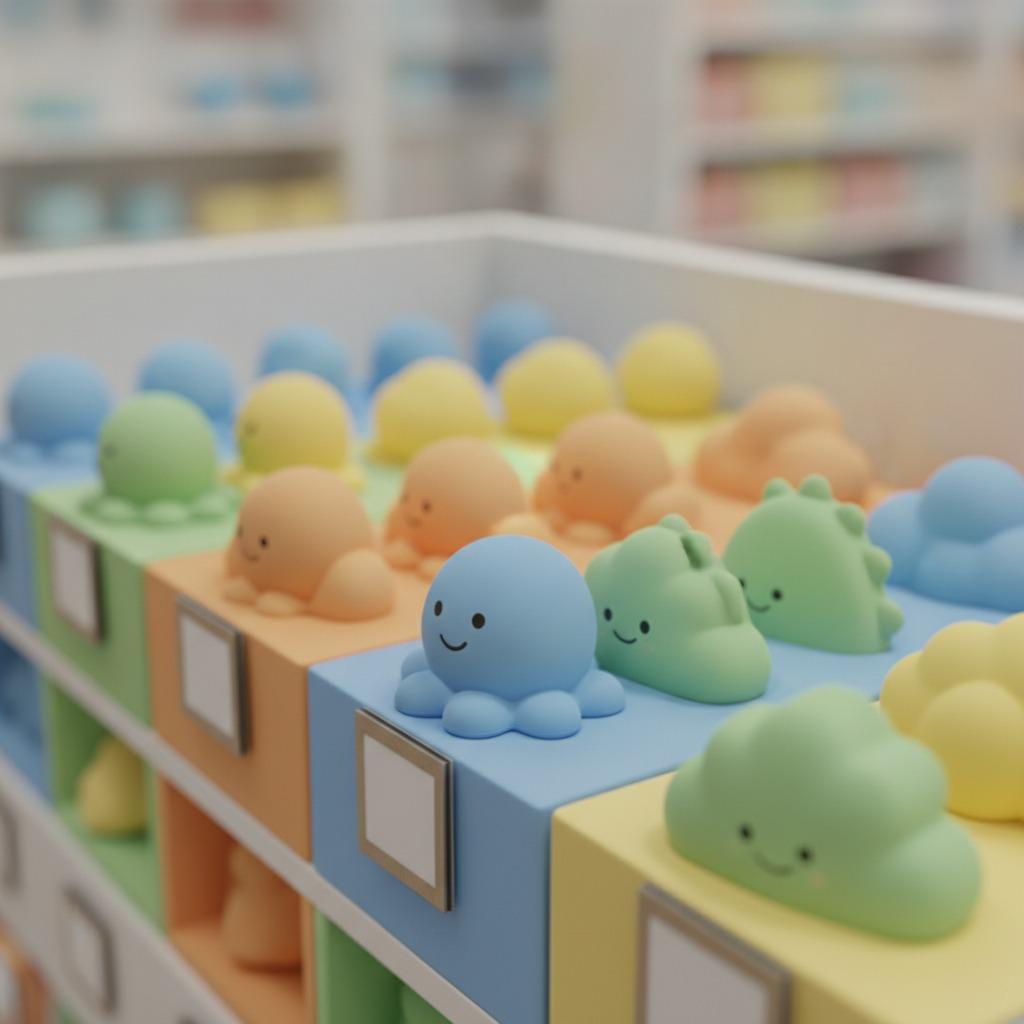
Also check how the product will be merchandised. A compact, freestanding form works well in counter displays. A sensory squeeze toy may need simpler packaging language. A decorative candle-like object may need a clearer gift positioning so it does not get lost among standard home goods.
FAQ buyers usually ask
Are squeeze toys only for children?
No. Many are bought by adults for desk use, stress relief, or collecting. The target audience depends on shape, feel, and branding.
What makes a novelty item commercially useful?
It should be instantly legible, easy to display, and simple to explain. If customers need too much context, the impulse-buy advantage weakens.
How should a themed product be positioned?
Match the theme to the use case. A food-shaped object may suit gifts and décor, while a softer sensory format may belong in wellness or office product lines.
Where to take the next step
If you are evaluating squeeze toys for a retail range, start with use case, not with price alone. Decide whether you need sensory function, children’s play value, or a novelty gift item. From there, compare samples for feel, visual clarity, and shelf appeal. For buyers exploring themed products, including decorative pieces like a cheese squeeze toy style item, the best suppliers are the ones that can keep the design distinctive without sacrificing production consistency.
For product teams looking to build or broaden a rubber, plastic, or toy assortment, a supplier with manufacturing experience across these categories can be a practical starting point. The right conversation is not only about making something cute. It is about making something that fits the channel, the customer, and the repeat-order reality of retail.