Why buyers keep looking at squishy toys in the first place
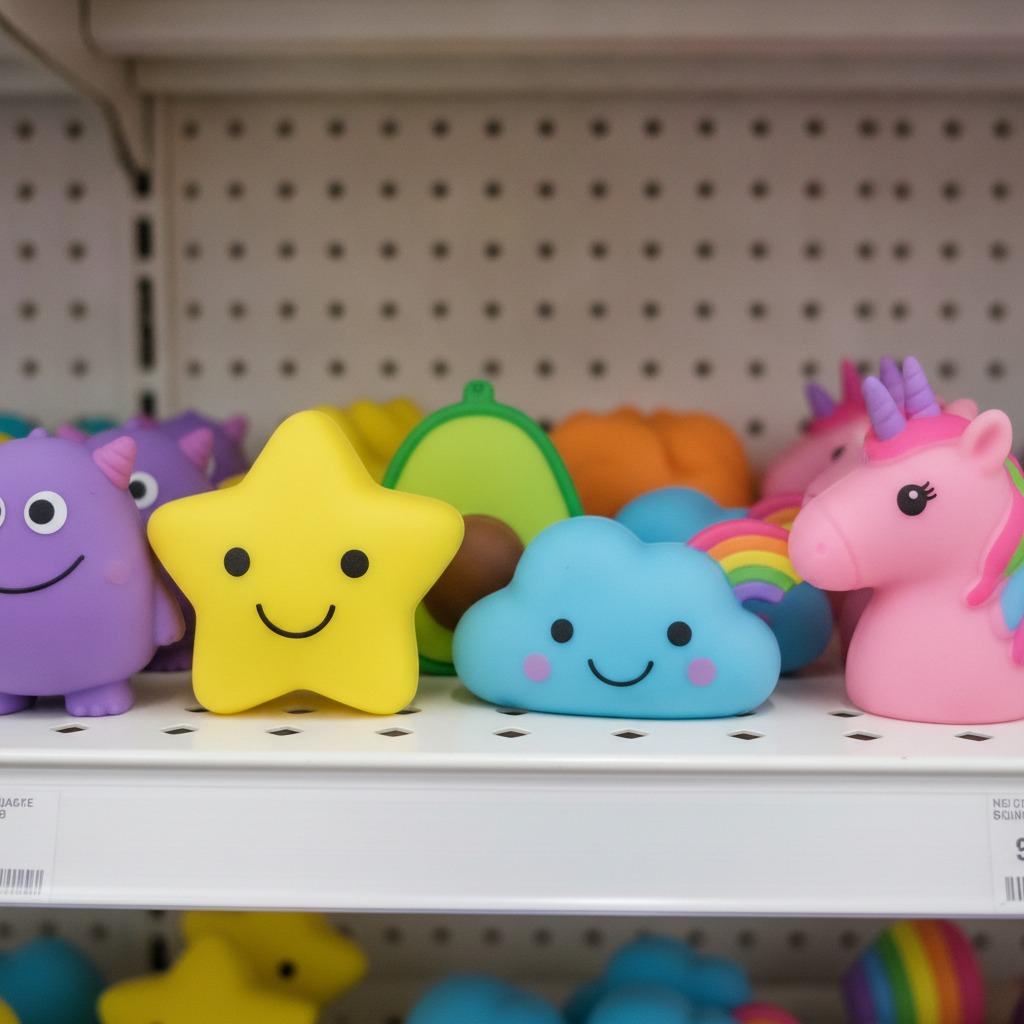
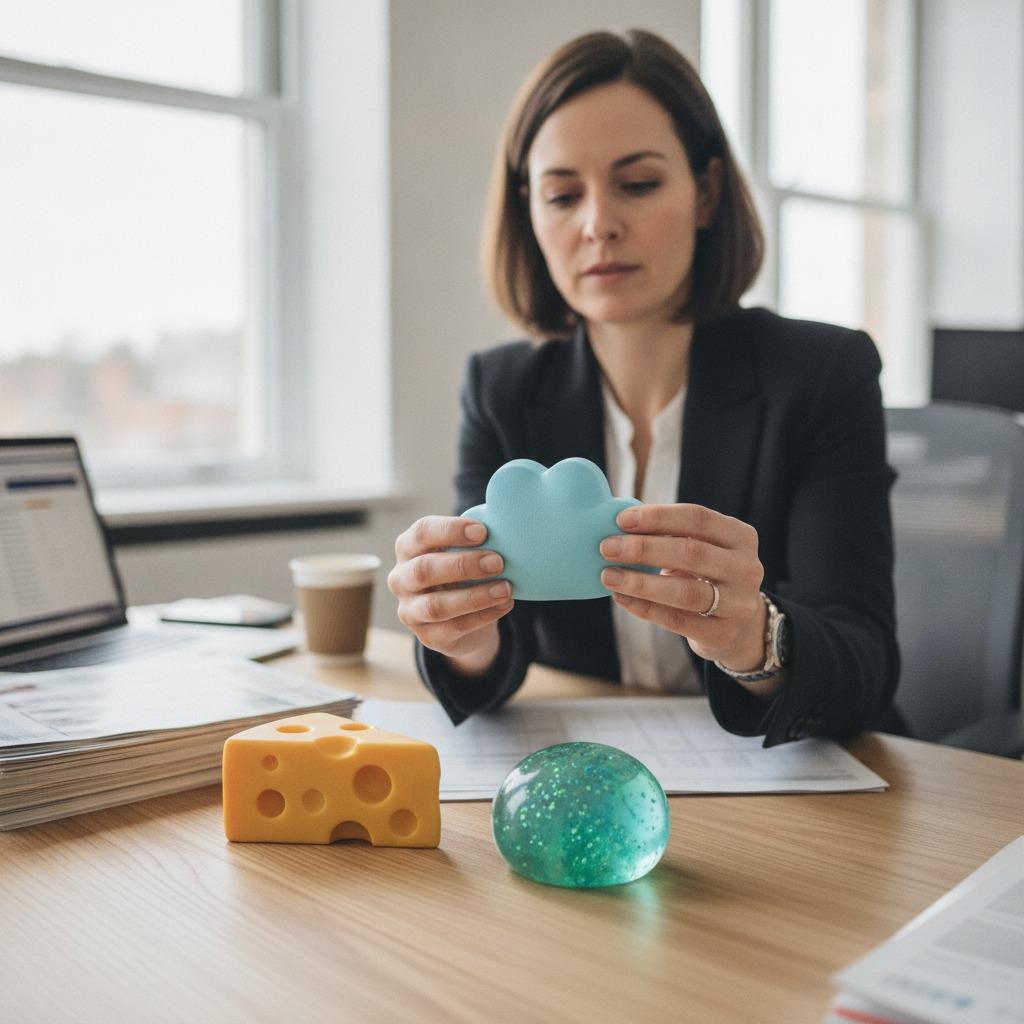
Squishy toys sit in a strange but useful corner of the toy and novelty market. They are part stress toy, part impulse gift, part shelf candy. For sourcing teams, that mix matters because the product has to do more than look cute. It has to compress well, rebound consistently, hold its shape in retail packaging, and survive handling by children or casual desk users. When a buyer searches for squishy toys, the real question is usually not “what is it?” but “which format fits my channel, my age group, and my margin target?”
That question becomes more interesting when you compare the category against nearby items such as squeeze toys, dumpling squishy formats, and themed collectibles like a glitter dumpling squishy. The design language can be playful, but the procurement decision is still practical. A counter display piece, a party favor, and a plush comfort item are all visually cute, yet they are manufactured and merchandised very differently.
Three common product directions: plush, soft polymer, and display novelty
The material family is the first thing to sort out.
A round novelty plush cushion or squishy pillow is built like a soft textile product: printed face graphics, stuffed filling, and a sewn outer shell. The example in the supplied product data shows a round, bun-like white cushion with a cartoon face and a matching round storage case. That kind of item makes sense for a child’s bedroom, a playroom, or as a comfort accessory. It is more of a hugging pillow than a hand toy, even if the public may casually call it squishy.
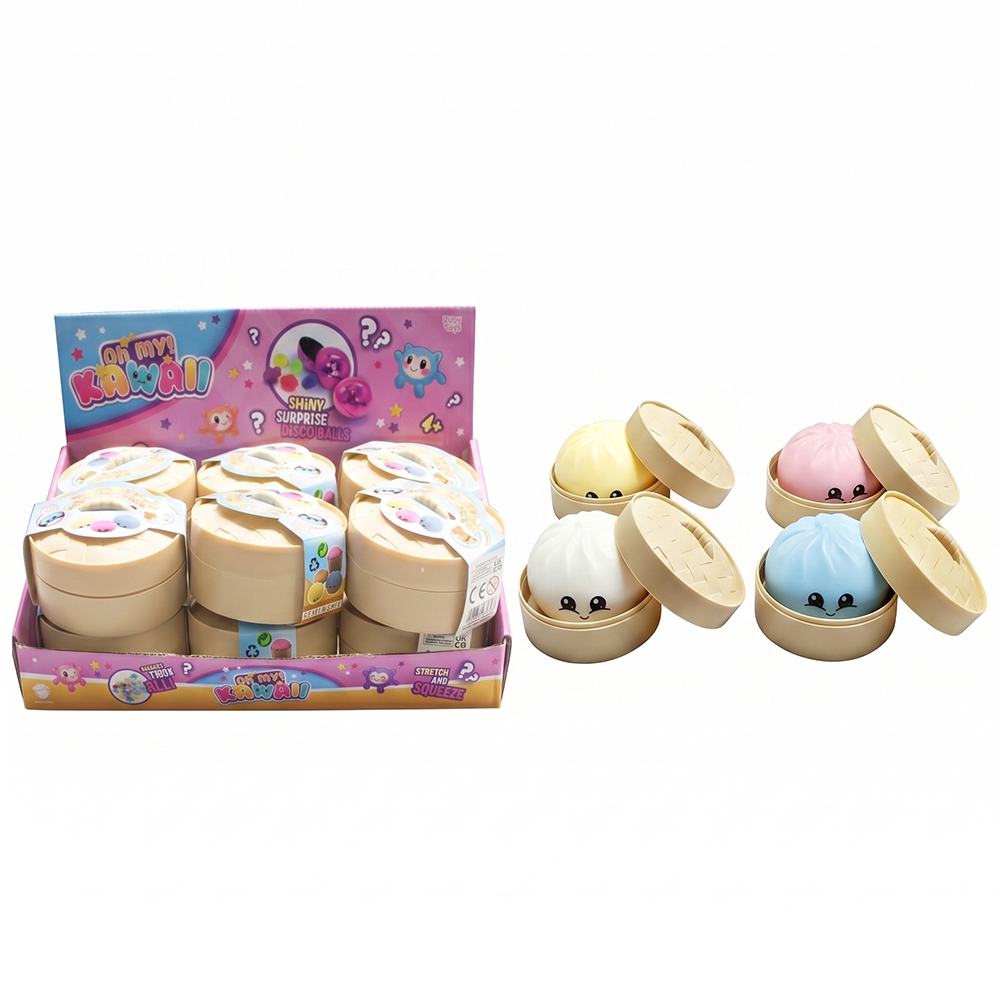
By contrast, the dumpling-shaped squeeze toy is a hand-held novelty. The visible forms are small, rounded, and palm-friendly, with a pleated top that echoes a dumpling or bun. These are typically positioned as sensory items, desk toys, or counter-sale novelties. The packaging data shows an ages 3+ marking and a 12-piece display box, which tells you the commercial strategy is likely retail throughput, not premium gifting.
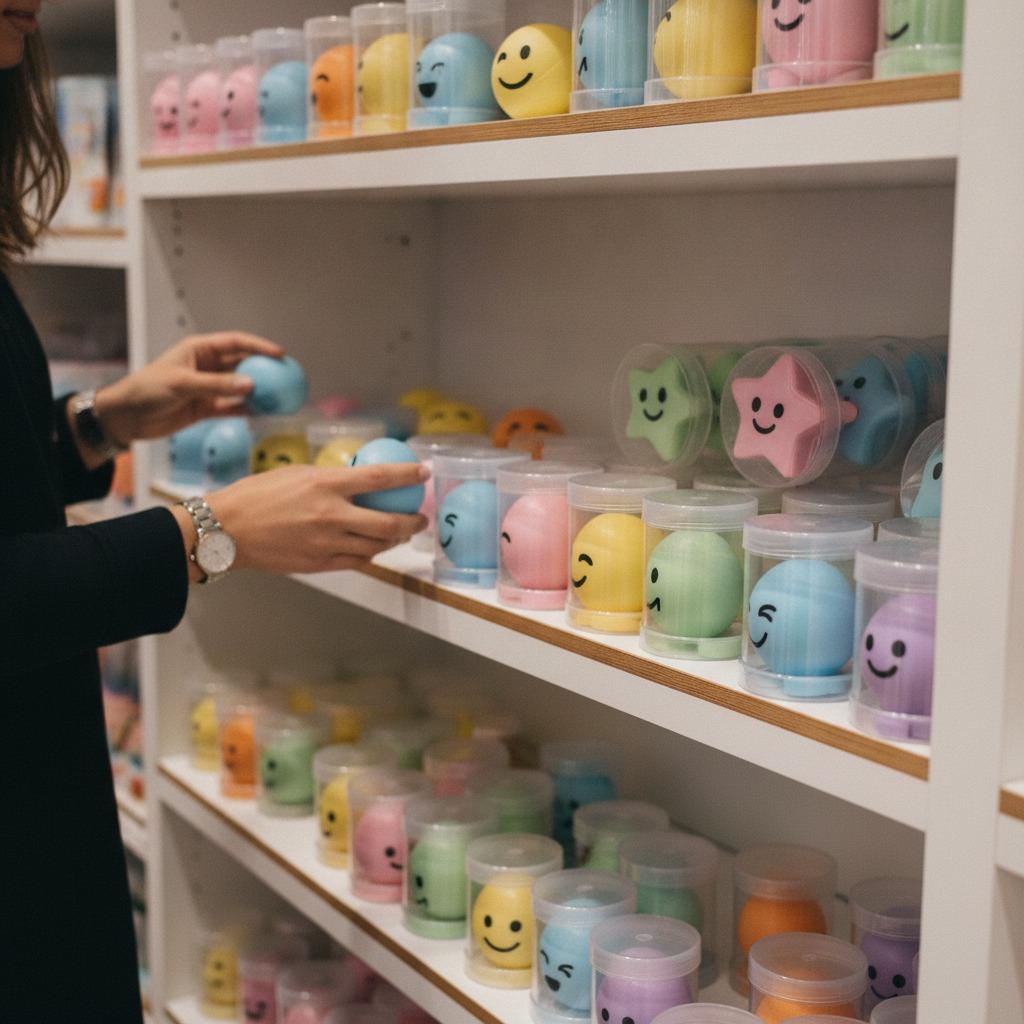
The third style, the “Oh My Kawaii” disco ball-like novelty, leans into collectible surprise appeal. It is still a squishy at heart, but the packaging and assorted colors suggest the buyer is paying as much attention to unboxing and visual charm as to hand feel.
What matters in the factory, not just on the shelf
For a sourcing manager, the outside look only gets you halfway there. A good squishy toy needs a stable shape, clean graphics, and repeatable softness. If it is a textile product, the seam line, fill distribution, and print alignment matter. If it is a molded squeeze toy, consistency in polymer formulation and rebound behavior matter even more. A toy that feels good in one sample and mushy or sticky in another creates returns, complaints, and a very unhelpful set of customer photos.
Ningbo Yinzhou Hines Rubber & Plastic Co., Ltd. positions itself as a company working across rubber and plastic products and toys, with an emphasis on international market knowledge and supply-chain cooperation. That matters because squishy products often depend on coordinated material sourcing, molding or sewing quality, and retail-ready packaging. Buyers in this category usually want a supplier that understands both appearance and manufacturability.
Selection criteria buyers should actually use
Start with use case, not color.
If the item is for children’s decor or a cuddle cushion, the plush version with the round storage case is the better fit. It reads as a soft home accessory and can be sold as a gift set. If the goal is counter display, party favor, or a small retail impulse item, the dumpling squishy or other soft polymer toy is usually the stronger choice because the size, pack count, and visible squeeze function are clearer at point of sale.
Also check the packaging logic. Multi-pack retail boxes, cup-style containers, and blind assortment formats are not just aesthetic choices. They affect shelf presentation, freight efficiency, and how easily the product can be opened and resealed by distributors. A buyer should ask whether the packaging is part of the product story or simply protective transit packaging. That distinction is often blurred in novelty toys.
Common mistakes when sourcing this category
One mistake is treating all cute toys as interchangeable. A plush cushion, a foam squishy, and a soft elastomer squeeze toy may all be marketed with smiling faces and pastel colors, but they do not belong in the same compliance or merchandising conversation.
Another mistake is overfocusing on a single sample. Novelty products can look excellent in a photo and still disappoint in production if the finish, print density, or firmness varies too much. Buyers should ask for production references or at least a clear process explanation before committing to a large run.
A practical caution: if a product is being sold for children, confirm the appropriate age grading and any required safety documentation for the destination market. The supplied packaging for one item shows Ages 3+, but that alone is not a full compliance file.
Quick buyer checklist
Ask these questions before you place an order:
Does the item function as a plush cushion, a hand squeeze toy, or a collectible novelty?
Is the packaging meant for display, storage, or gifting?
Are graphics printed cleanly and aligned consistently across units?
Does the soft material recover shape well after repeated squeezing?
Are the colors and assortment plan fixed, or can they be mixed for the target channel?
FAQ for sourcing teams
Are all squishy toys made the same way?
No. Some are sewn and stuffed textile items; others are molded soft polymer products. The manufacturing route affects cost, feel, durability, and packaging.
Is a dumpling squishy the same as a squeeze toy?
Usually yes in practical retail terms, though “dumpling squishy” is more of a shape-and-merchandising description, while “squeeze toy” describes the function.
Can these products be used as gifts?
Absolutely. In fact, many of them are designed around giftability, counter sales, and novelty appeal rather than deep play value.
Where to take the next step
If you are comparing squishy toys for a retail program, the best next step is to request samples in the exact format you plan to sell: plush cushion, dumpling-style squeeze toy, or blind-assortment novelty. Then test them the way your customers will handle them. Squeeze them. Open the packaging. Check the shelf presence. A product that looks charming in a catalog but feels wrong in hand will not stay charming for long.
For buyers who want both novelty appeal and manufacturing discipline, that is the real decision: not whether the toy is cute, but whether it is built for the channel you actually sell into.