Squeeze toys and the modern novelty aisle: why the category keeps growing
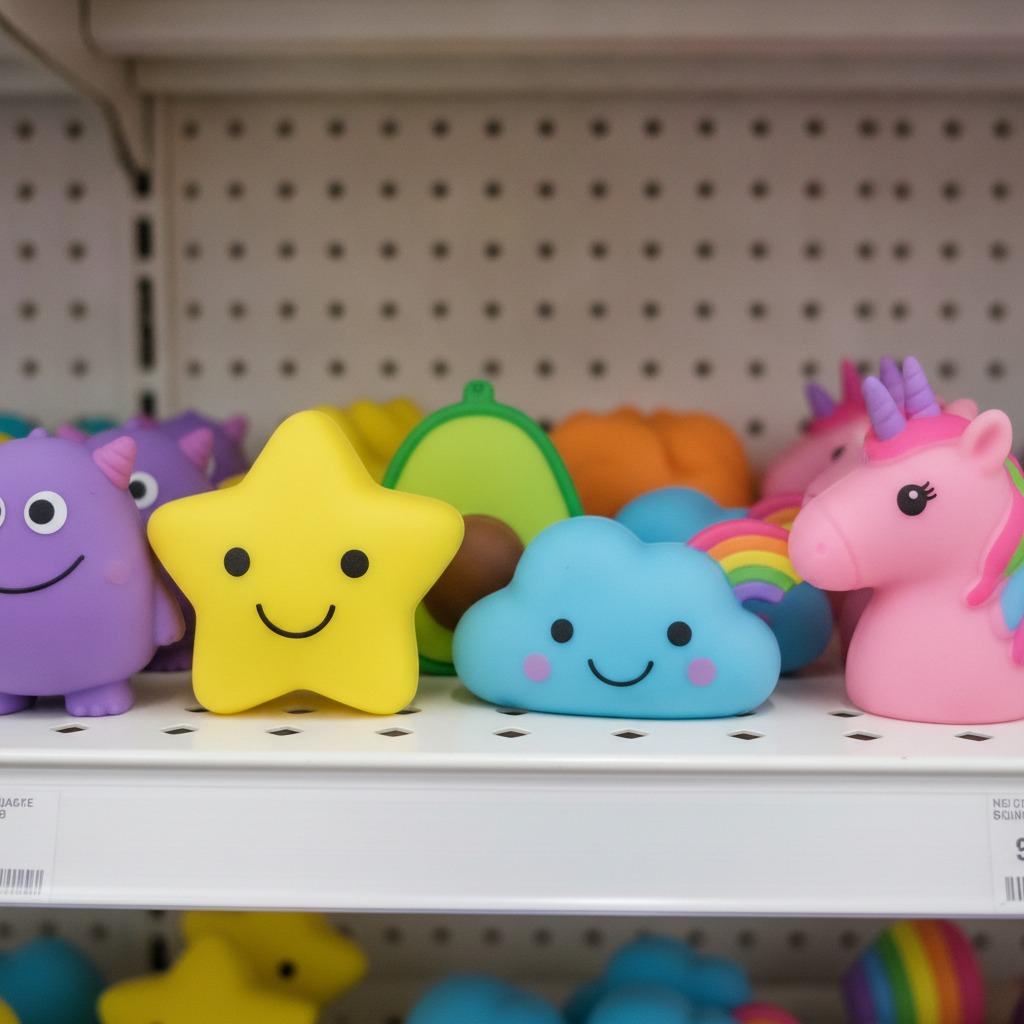
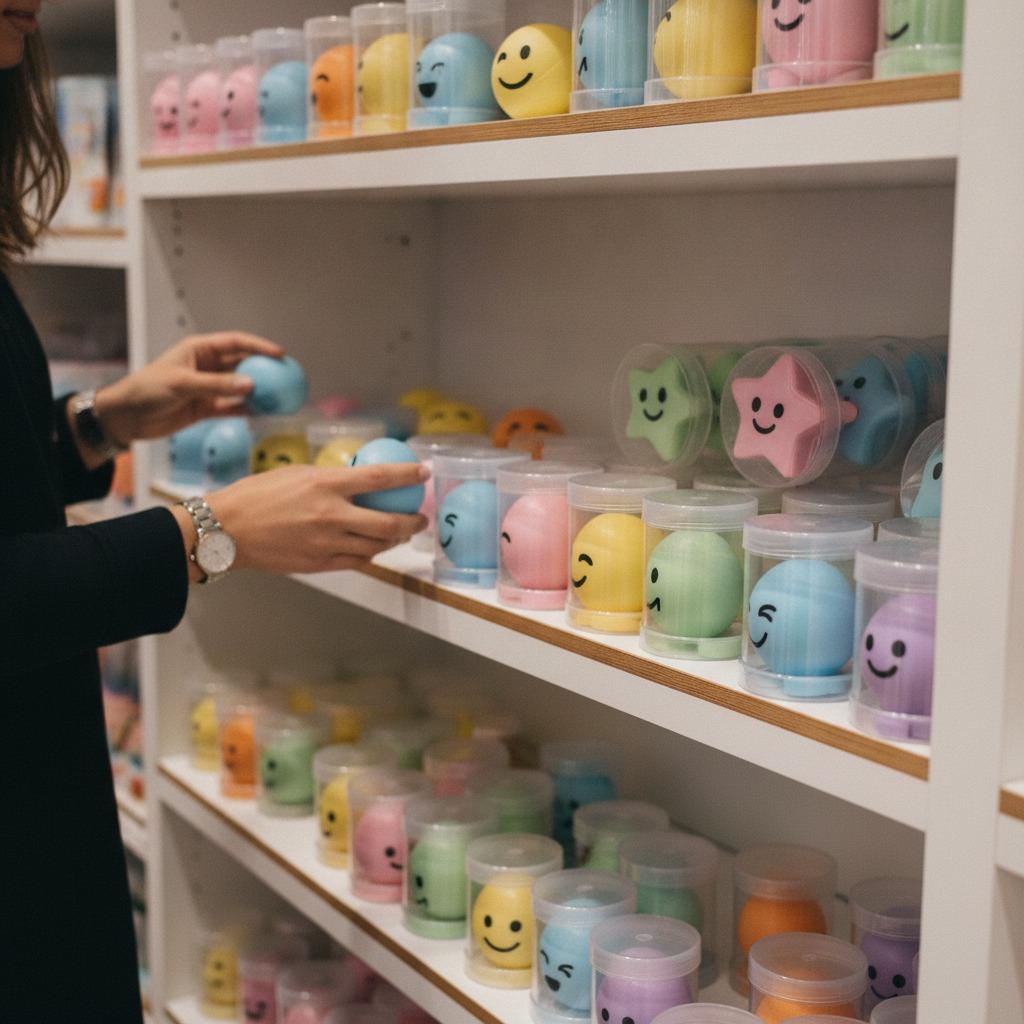
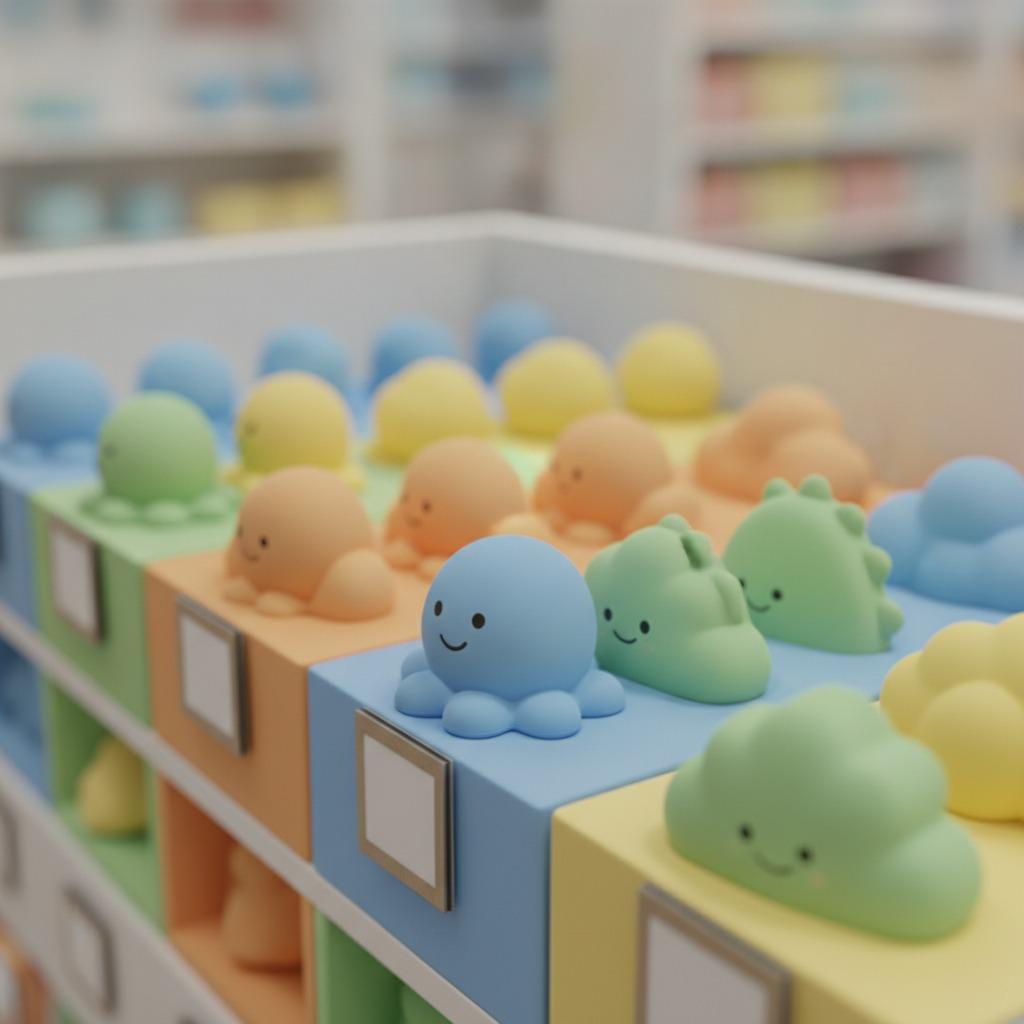
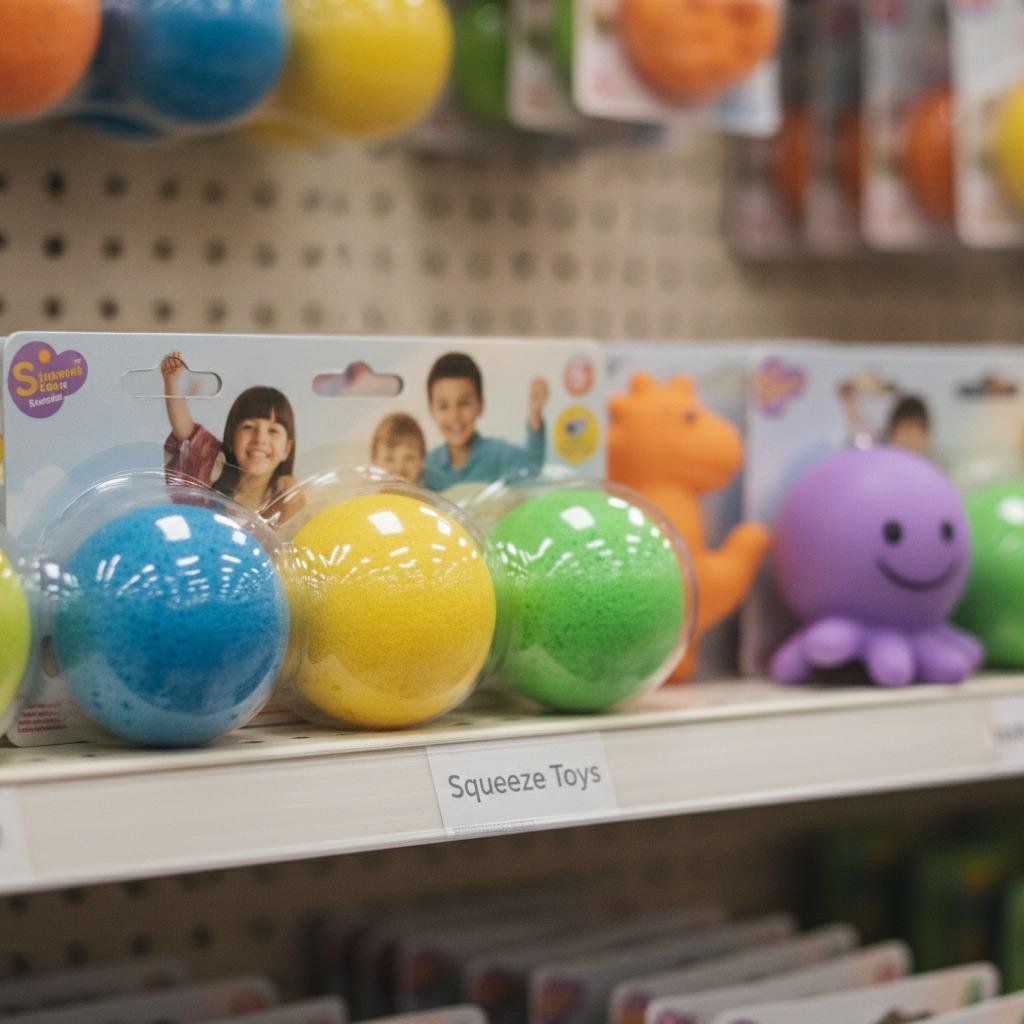
Squeeze toys sit in a deceptively broad corner of the product market. For some buyers, they are small sensory tools used in classrooms, therapy settings, or stress-relief programs. For others, they are impulse gifts, party favors, or playful retail items that simply need to look good on a shelf and feel satisfying in the hand. That mix of utility and novelty is exactly why squeeze toys continue to matter to sourcing teams and product developers.
If you are comparing a sensory squeeze toy line with more decorative concepts, the real decision is not just about shape or theme. It is about what the item needs to do: attract attention, survive repeated handling, deliver a particular tactile feel, and fit a target price position without looking flimsy. Buyers often underestimate how much the surface texture, firmness, and mold quality influence the final impression. With this category, the details do most of the selling.
What buyers usually look for in squeeze toys
The best-selling products in this category tend to be simple at first glance, but carefully thought through in manufacture. A good squeeze toy should compress predictably, rebound without feeling dead, and keep its shape long enough to remain attractive. The surface should also be cleanly formed. Thin flashing, uneven seams, or weak spots can turn an otherwise appealing item into a return risk.
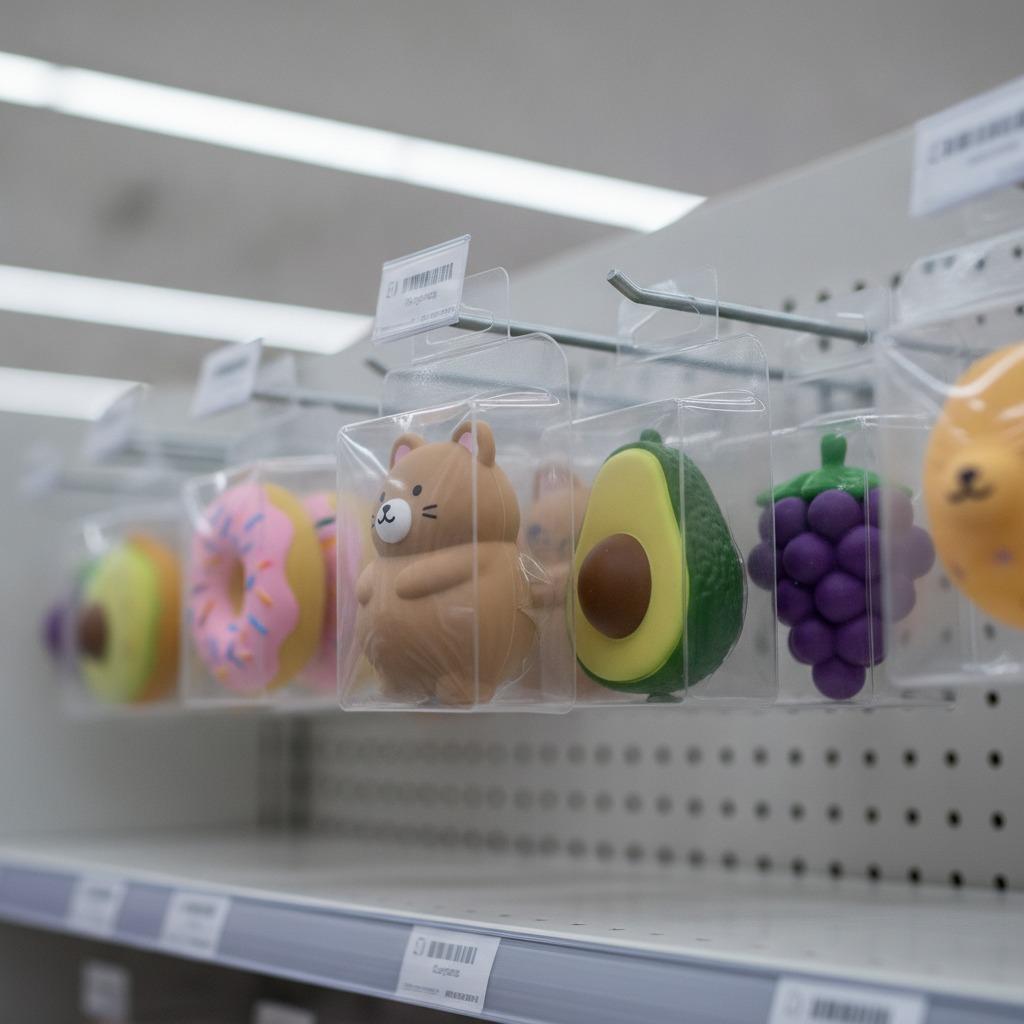
For children’s lines, safety perception matters almost as much as actual performance. Parents and retailers want something soft, friendly, and easy to understand. That is why squeeze toys for kids often use familiar forms: food shapes, animals, or cartoon-style objects. Novelty is useful, but recognizability sells faster.
Where a cheese shape fits
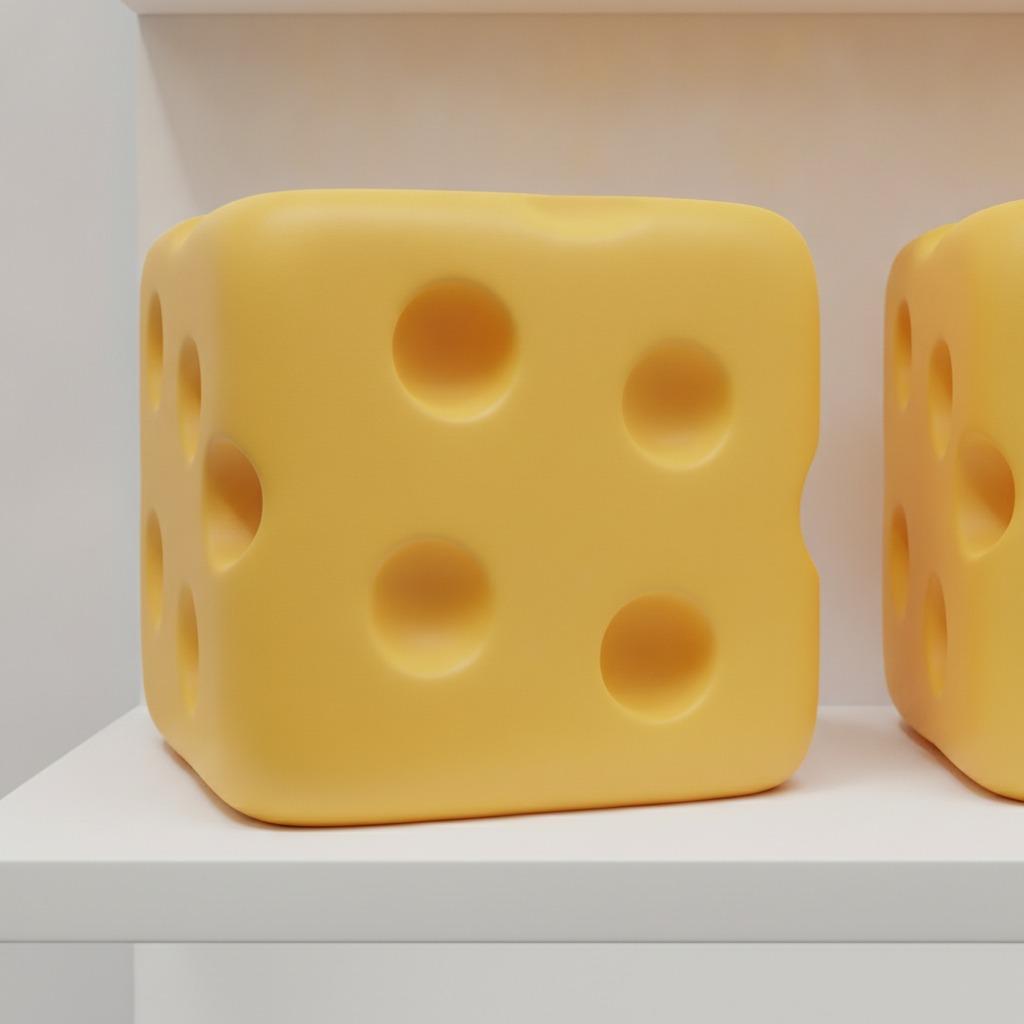
A cheese squeeze toy is a good example of a themed item that works across multiple retail settings. The form is playful, but not random. Food-themed toys are easy to merchandise in gift shops, kitchen décor corners, seasonal promotions, and party displays. They also photograph well, which matters more than many factories initially expect.
Even when the item is not intended as a functional stress toy, the same design logic applies. The buyer is still evaluating tactile appeal, visual clarity, and consistency from unit to unit. A novelty shape can hide some surface variation, but not poor mold definition.
From concept to finished product: what the process usually involves
For molded novelty goods, tooling and material behavior are closely linked. A design with recessed cavities, rounded edges, and a stable block-like profile requires a mold that can reproduce the details cleanly without leaving harsh lines. In wax-based products, the casting step also affects surface finish and edge definition.
The cheese-shaped decorative candle described here is a useful reference point. It is a compact cube or block with yellow coloration, rounded edges, and irregular recessed holes that imitate Swiss cheese. A short wick is visible on top. From a sourcing perspective, that tells you a lot: the item relies on form accuracy and texture to carry the concept. There is no need for elaborate ornamentation when the silhouette is already doing the work.
Ningbo Yinzhou Hines Rubber & Plastic Co., Ltd. positions itself around rubber, plastic, and toy manufacturing, with an emphasis on international market participation and supply cooperation. For buyers in adjacent categories, that kind of production mindset is relevant because novelty items often live at the intersection of molding, material selection, and repeatable appearance. Even when the end product is not rubber or plastic, the discipline behind shape consistency is similar.
Practical selection criteria for sourcing teams
When comparing suppliers for squeeze toys, the simplest questions are often the most useful:
1. Does the shape stay readable after handling?
A toy that looks strong in photos but collapses visually after a few squeezes will disappoint customers. The outline should remain clear.
2. Is the surface finish appropriate for the audience?
Matte textures can feel softer and more premium; overly glossy surfaces sometimes read as cheap or sticky, depending on the material.
3. Can the supplier keep details consistent across batches?
This matters especially for themed products like food shapes. If the holes, edges, or facial features drift from batch to batch, the line loses retail coherence.
4. Is the product positioned as a toy, décor item, or gift?
That classification affects packaging, messaging, and buyer expectations. A decorative candle shaped like cheese is not the same commercial object as a sensory squeeze toy, even if both rely on a playful form.
Common mistakes buyers make
One frequent mistake is treating all squeeze toys as interchangeable. They are not. A soft item for therapy use, a retail novelty, and a children’s toy may look similar on a spreadsheet, yet they can demand different materials, packaging, and quality controls.
Another common issue is over-specifying the concept and under-specifying the feel. Buyers sometimes obsess over color or printing and leave the tactile properties vague. That usually comes back later as a complaint about firmness or rebound. It is better to define the experience clearly up front, even if the exact material choice is still open.
A final caution: if a product is meant to resemble food, party food, or dessert, make sure the packaging and warning language do not create confusion for younger users. That sounds obvious, but it gets missed in fast-moving gift and décor programs.
What this means for your next order
If you are sourcing squeeze toys, start by deciding whether you need a sensory item, a children’s toy, or a novelty display piece. Then evaluate whether the manufacturer can reproduce the shape cleanly and consistently. For themed products, the visual joke only lands if the mold work is sharp and the finish feels deliberate.
For buyers considering a cheese squeeze toy-style concept, the key is not just whether it looks funny on first glance. It is whether it holds attention on a shelf, survives handling, and fits the channel you are selling into. That is the difference between a one-off novelty and a product that can actually move through retail.
If you are developing a new squeeze toy line, request sample units, compare surface quality under normal light, and check how the product reads after a few compressions or handling cycles. The first sample often tells you more than the spec sheet does, and that is usually where the smarter purchasing decision begins.