Texture and Softness Control: The Hidden Custom Advantage in PU Toy Manufacturing
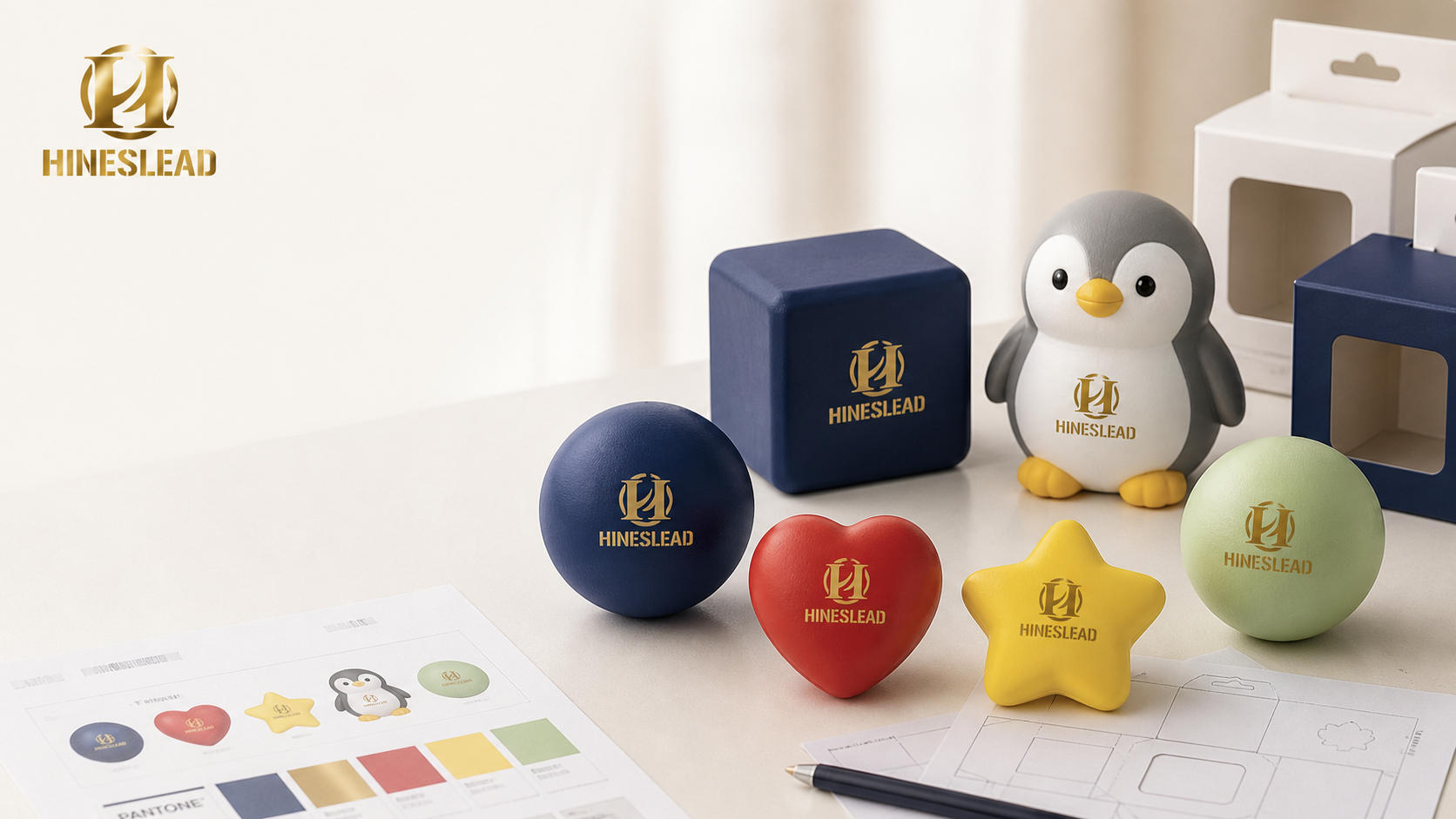
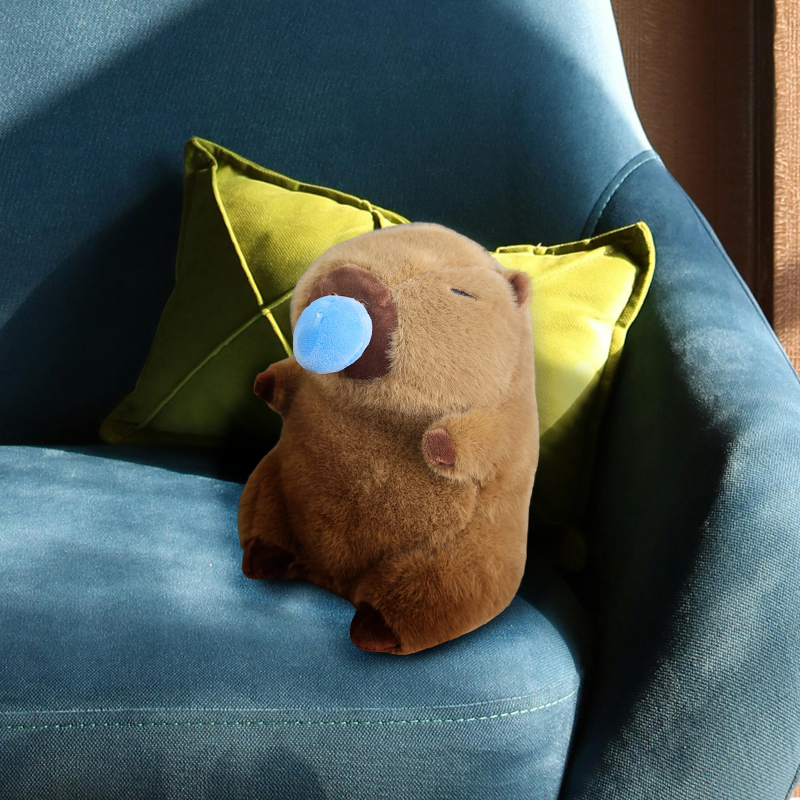
When businesses think of PU toy customization, they often focus on shapes, colors, or logo printing. Yet one of the most powerful and least visible advantages lies in something every user notices the moment they pick up a toy: texture and softness.
For buyers, the ability to fine-tune density, rebound, and tactile feel means products that are not only unique but also more effective in their target market.
Why Texture and Softness Matter
A toy’s sensory experience is critical to its function and appeal. The right balance of softness and resilience can:
-
Enhance stress relief in promotional stress balls
-
Improve therapeutic outcomes in rehabilitation toys
-
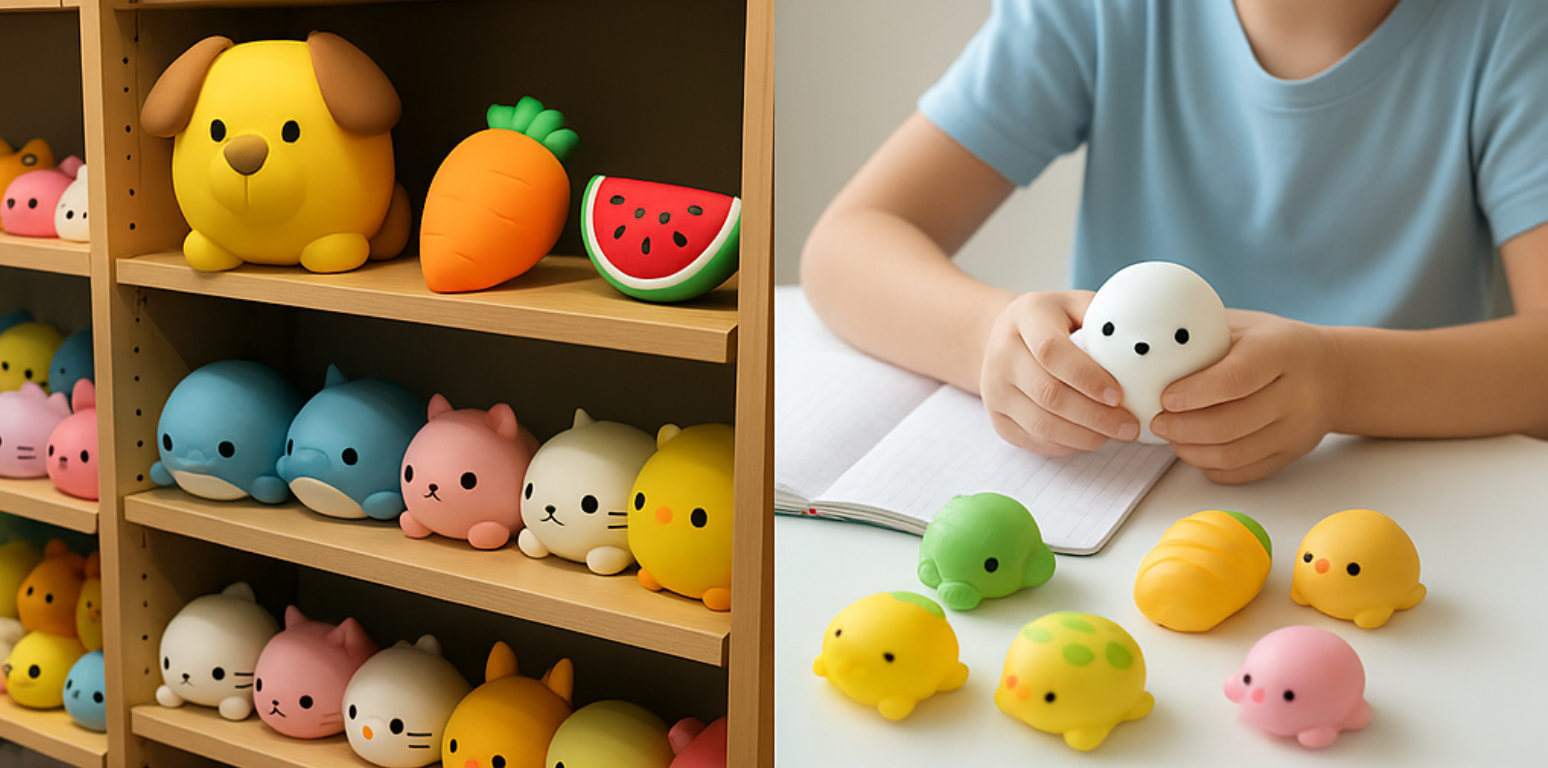
Create excitement and satisfaction in retail squishies
-
Build brand identity with distinctive tactile signatures
As ASTM International points out, tactile feedback is an important factor in toy usability and safety testing—making it a serious consideration in design.
Customizing Softness: Density and Rebound Control
PU foam allows factories to engineer softness by adjusting:
-
Density: Lower density for ultra-soft squishies; higher density for firm stress toys.
-
Rebound Speed: Slow-rise foam for squishies, fast-rebound for hand therapy tools.
-
Durability: Soft yet resilient structures that maintain consistency after repeated use.
This precision ensures that each toy feels “just right” for its intended market.
Texture Variations for Brand and Function
Surface textures can also be customized for both aesthetic and functional goals:
-
Smooth matte – Professional look for corporate giveaways.
-
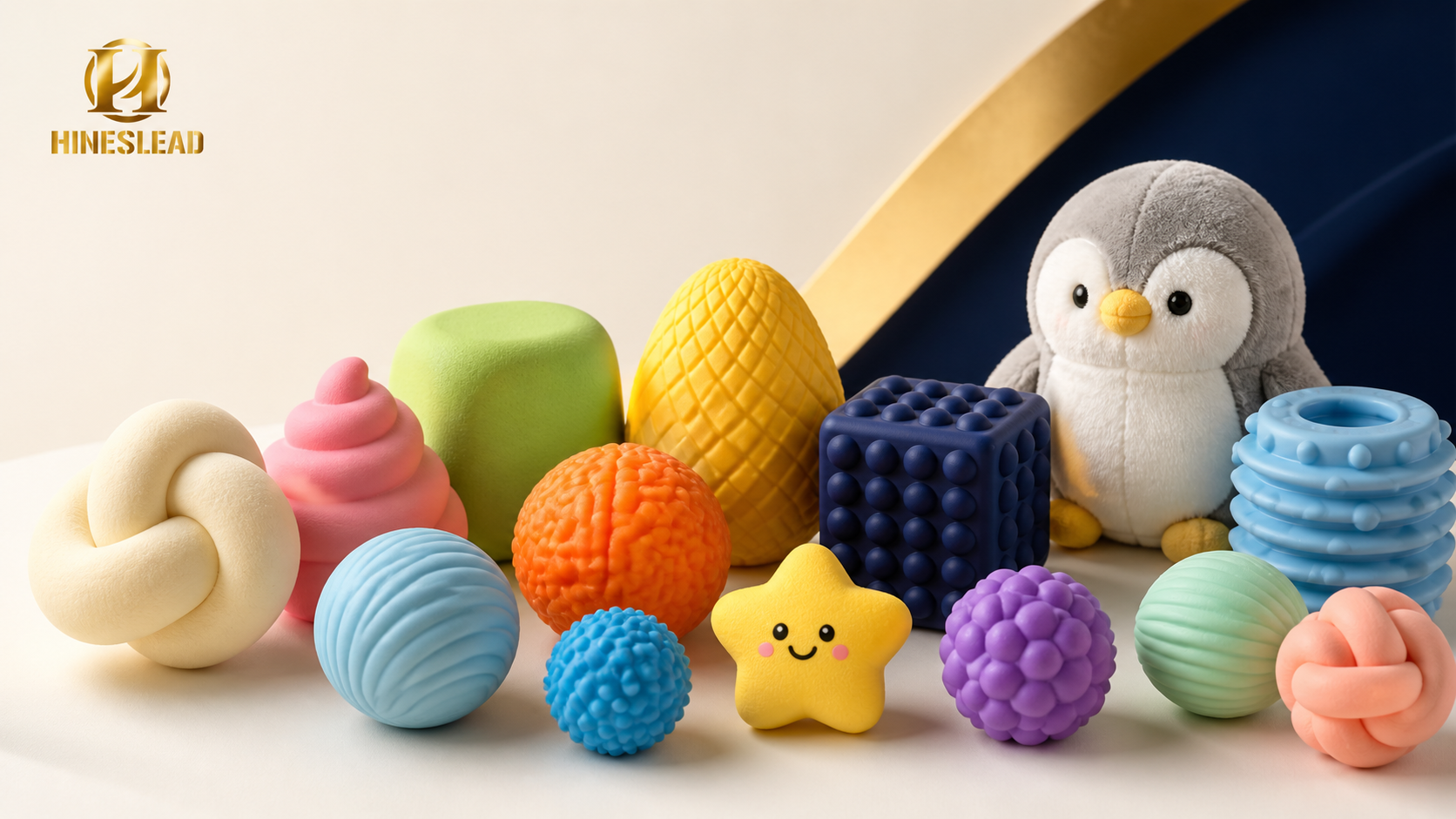
Glossy finish – Vibrant appeal for retail squishies and collectibles.
-
Patterned grip – Practical for therapy tools or sports-themed PU toys.
-
Eco-inspired finishes – Recycled paper or natural tones for sustainability-focused buyers.
By offering tactile diversity, manufacturers help brands stand out in crowded markets.
Applications Across Industries
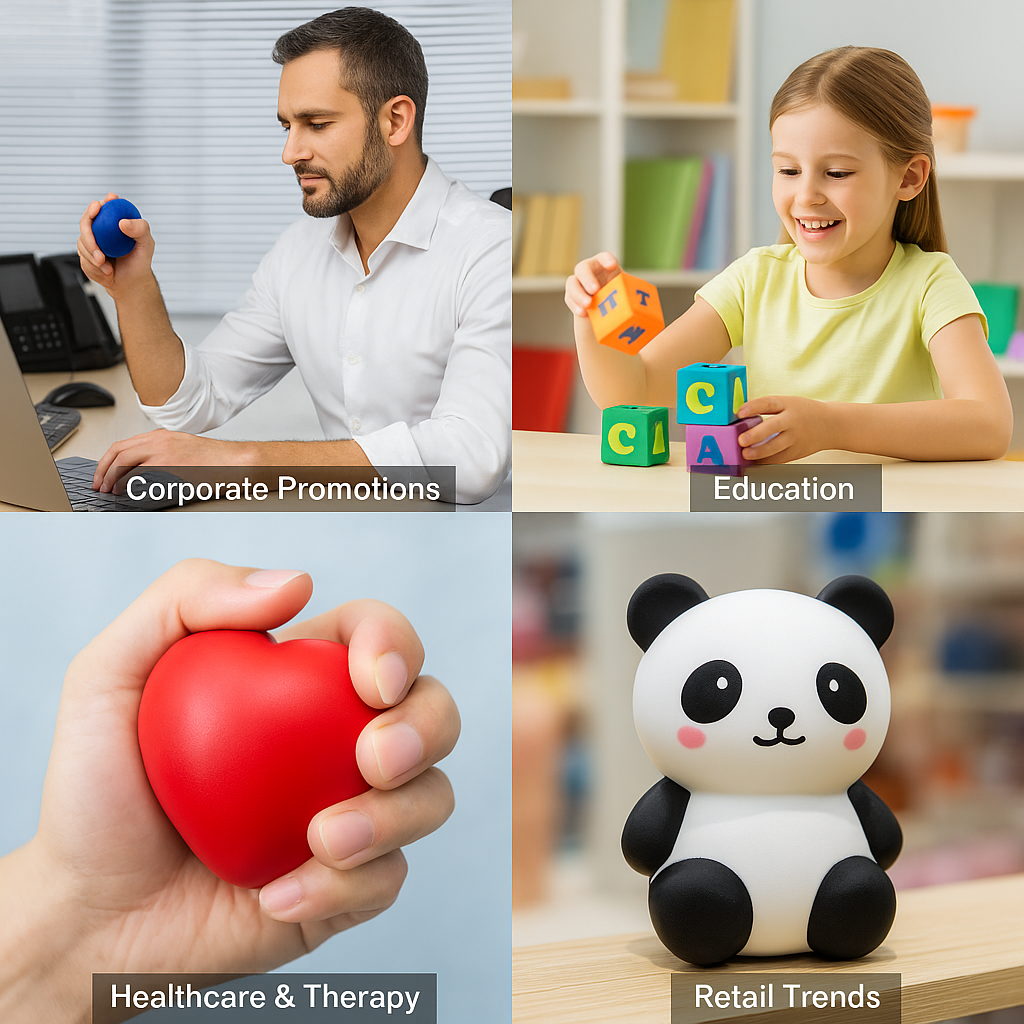
Texture and softness customization makes PU toys relevant to many industries, each with distinct needs:
-
Corporate Promotions – Smooth, durable stress balls serve as branded giveaways that leave a lasting tactile impression at events and offices.
-
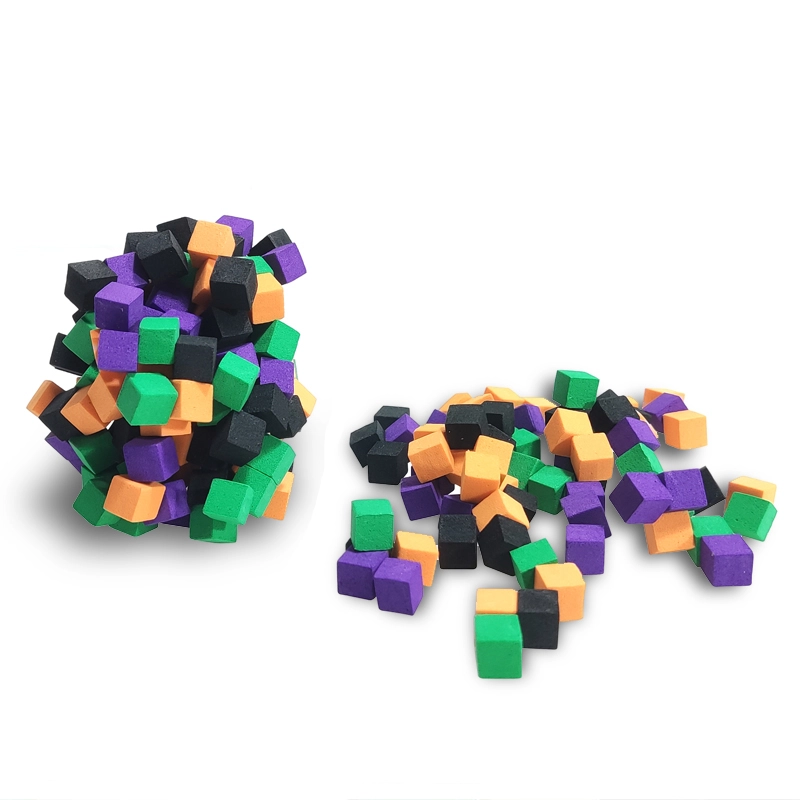
Education – Foam blocks and letters with safe, matte textures support interactive classroom learning while ensuring child safety.
-
Healthcare & Therapy – Toys calibrated for firmness or slow-rise softness are used for grip training, stress relief, and sensory therapy.
-
Retail Trends – Squishies with playful shapes and satisfying rebound speeds attract consumers, with texture and feel driving purchase decisions.
-
Sports & Fitness – Mini foam balls and grip trainers with firm density and textured surfaces provide both promotional value and practical use.
By tailoring softness, rebound, and texture, PU toy manufacturers create products that adapt seamlessly to diverse business applications.
Scaling Custom Sensory Design
Some buyers worry whether custom textures can be maintained at bulk levels. Reputable factories like Hines ensure:
-
Precision molds for consistent surface finishes
-
Color + texture matching systems for brand alignment
-
QC at every stage to ensure softness uniformity across batches
-
Certified compliance with EN71, ASTM, and CPSIA standards
This ensures that even container-scale orders retain the exact sensory design intended by the buyer.
Why Hines Is the Right Partner for Custom Sensory Control
At Hines, we understand that texture and softness are silent brand ambassadors. Our PU toy manufacturing offers:
-
Density control from soft squishies to firm therapeutic toys
-
Multiple textures and surface finishes for design differentiation
-
OEM flexibility in shapes, colors, and packaging
-
Certified safety and compliance for global exports
-
Scalable production without losing tactile consistency
By combining technical expertise with creative flexibility, Hines delivers toys that are not just products, but engaging sensory experiences.
Explore more about our sensory customization on the Home page, or contact our team via the Contact Us section.